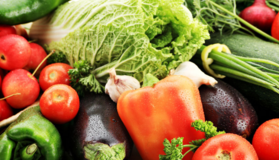
【知识拓展】:常见蔬菜营养价值——褚军
Inventory of knowledge on nutritional value of common Vegetables
常见蔬菜营养价值大盘点
1. Vegetables suitable for eating raw 适合生吃的蔬菜
Vegetables suitable for eating raw are cabbage, radish, tomatoes, cucumbers, eggplants, green peppers, celery, coriander, cabbage, onion, chrysanthemum, balsam pear, lettuce and so on. It is best to eat raw vegetables with dried tofu, peanuts, sesame seeds, shrimp skin and so on, so as to complement nutrients.
适合生吃的蔬菜有白菜、萝卜、番茄、黄瓜、茄子、青椒、芹菜、香菜、卷心菜、洋葱、茼蒿、菊花菜、苦瓜、莴苣等。生吃蔬菜最好配以豆腐干、花生、芝麻、虾皮等,以便营养素互补。
2. Vegetables suitable for refrigeration 适合冷藏的蔬菜
The vegetables that should be stored in the refrigerator include radish, carrots, onions, spinach, brassica rapa pekinensis, cauliflower, garlic sprouts, asparagus, beans, refrigerator, cabbage, cauliflower, celery, cucumber, eggplant, scallions, green leafy vegetables, mushrooms, okra, peppers, zucchini, tomatoes (first cooked at room temperature before being placed into the refrigerator), etc.
萝卜、胡萝卜、洋葱、菠菜、大白菜、花椰菜、蒜苔、芦笋、豆类、冰箱、卷心菜、花菜、芹菜、黄瓜、茄子、大葱、绿叶蔬菜、蘑菇、秋葵、彩椒、西葫芦等、西红柿(先常温熟透再放入冰箱)等。
3. Vegetables suitable for cool storage at room temperature 适合常温阴凉储存的蔬菜
Potatoes, garlic, pumpkin, winter melon, etc.
马铃薯、大蒜、南瓜、冬瓜等。
4. Vegetables with anti nutritional factors 抗营养因子的蔬菜
Cyanoside in cassava can inhibit the activity of cytochrome enzymes in human and animal bodies; Sulfide compounds in cabbage, radish, and mustard can cause thyroid enlargement when ingested at high doses; The eggplants and potato skins contain solanine, which can cause itching and burning sensation in the throat; Some poisonous herbs contain toxins that can cause poisoning; Some vegetables have higher levels of nitrate and nitrite, especially in stale and rotten vegetables.
木薯中的氰苷可抑制人和动物体内细胞色素酶的活性;甘蓝、萝卜和芥菜中的硫苷化合物在大剂量摄入时可致甲状腺肿;茄子和马铃薯表皮含有的茄碱可引起喉部瘙痒和灼热感;有些毒草中含有能引起中毒的毒素等;一些蔬菜中硝酸盐和亚硝酸盐含量较高,尤其在不新鲜和腐烂的蔬菜中更高。
5. Vegetables rich in polysaccharides 富含多糖的蔬菜
Pumpkin contains pumpkin polysaccharides, which can also be found in fungus such as shiitake mushrooms, golden needle mushrooms, and black fungus to regulate the gut microbiota.
南瓜中含有南瓜多糖,菌类如香菇、金针菇、木耳中也有多糖,可以调节肠道菌群。
6. Vegetables rich in carotenoids 富含类胡萝卜素的蔬菜
Vegetables such as carrots, turnips, lettuce, celery, spinach, mugwort, coriander, amaranth, lettuce, and other vegetables contain rich carotenoids, which are beneficial for eye and skin health.
胡萝卜、大头菜、莴苣、芹菜、菠菜、苘蒿、香菜、苋菜、雍菜、落葵等蔬菜含有丰富的类胡萝下素,有利于眼睛和皮肤健康。
7. Vegetables rich in sulfides 富含硫化物的蔬菜
Vegetables such as garlic, onions, scallions, scallions, chives, and other vegetables are rich in sulfides, which have been proven to have antibacterial, antioxidant, and certain anti thrombotic effects.
大蒜、洋葱、大葱、香葱、韭菜等含有丰富的硫化物,硫化物被证明有抗菌、抗氧化、一定的抗血栓等效果。
8. Vegetables rich in magnesium 富含镁的蔬菜
Vegetables such as beet leaves, spinach, celery leaves, cowpeas, kale. It helps maintain the distribution of potassium and sodium, maintains bone growth, regulates muscle and nerve excitability, regulates gastrointestinal and cardiovascular functions, and is also an activator of some enzymes.
甜菜叶、菠菜、芹菜叶、豇豆、羽衣甘蓝。它具有协助维持钾和钠的正常分布、维持骨骼生长、调节肌肉神经兴奋性、调节胃肠道、心血管等功能,还是一些酶的激活剂。
9. List of high iron vegetables 高含铁蔬菜榜单
Vegetables such as day lily, celery, wood fungus (dried), chili peppers, and rapeseed are relatively abundant in iron. Although their absorption rate is lower compared to meat, they can still serve as a valuable supplement to other iron-rich foods.
金针菜、芹菜、木耳(干)、辣椒、油菜等是含铁比较丰富的食物,虽然吸收率比肉低,但也可以作为其他含铁食物的补充。
10. List of high calcium vegetables 高钙蔬菜榜单
Vegetables such as droseraceae, brassica juncea, amaranth, rapeseed stalks, and fennel are high calcium vegetables. Although the absorption rate is not very high, they are an important supplement to other calcium-containing foods. They can be blanched with water in order not to affect calcium absorption.
茅菜、芥菜、苋菜、油菜薹、茴香等属于高钙蔬菜,虽然吸收率不是很高,但是其他含钙食物的重要补充,为了不影响钙吸收,可以用水焯一下再吃。
11. List of vegetables rich in vitamin B 富含B族维生素的蔬菜榜单
Vegetables such as peas, fava beans, edamames, and other beans are rich in proteins and starch with a low glycemic index. They are quite suitable to be eaten together with staple foods and can serve as a protein complement to main course.
豌豆、蚕豆、毛豆等豆子,这些豆子蛋白质含量高,富含淀粉,升糖指数低,挺适合搭配主食一起吃,还能与主食起到蛋白质的互补。
12. Vegetables rich in vitamin C 富含维生素C的蔬菜
Vegetables such as sweet peppers, colored peppers, brassica juncea, rapeseed stalks and pak choi are recommended to be cooked by quick frying, steaming and other cooking methods to retain more VC.
甜椒、彩椒、芥菜、油菜墓、小白菜等,建议激活快炒、清蒸等方式进行烹饪,保留更多VC。
13. Vegetables rich in potassium 富含钾的蔬菜
Vegetables such as beet leaves, lilies, edamames, pumpkins, water chestnuts, kale, fava beans, bamboo shoots, cabbage, kale, amaranth, peas, and spinach can prevent high blood pressure.
甜菜叶、百合、毛豆、南瓜、菱角、羽衣甘蓝、蚕豆、竹笋、圆白菜、芥兰、苋菜、豌豆、菠菜等,可以预防高血压。
14. List of High fiber vegetables 高纤维蔬菜榜单
Vegetables such as Dutch beans, bamboo shoots, beetroot, bitter cabbage, edamame, peas, fava beans, lentils, kale, brassica juncea, sweet potato leaves have higher levels of dietary fiber, which is good for relieving functional constipation.
荷兰豆、笋尖、甜菜根、苦菜、毛豆、豌豆、蚕豆、扁豆、羽衣甘蓝、芥菜、红薯叶等蔬菜中膳食纤维较高,有利于缓解功能性便秘。

