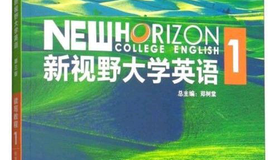
目录

  • 1 Course Orientation
    • 1.1 Why do we learn the course?
    • 1.2 What do we learn in this course?
      • 1.2.1 Language Knowledge and Skills Required
      • 1.2.2 Cultural Knowledge and Cross-Cultural Communication Ability
      • 1.2.3 Thinking Modes and Thinking Ability
      • 1.2.4 Humanistic Literacy and Values
    • 1.3 How to Learn the course?
      • 1.3.1 Learning Ability
      • 1.3.2 Learning Strategies
      • 1.3.3 Learning Plan Making
      • 1.3.4 Learning Resources
    • 1.4 English Competitions and Second Class Activities
  • 2 Unit 1 Fresh Start
    • 2.1 Teaching Objectives
    • 2.2 Lead-in
      • 2.2.1 Listening Tasks
      • 2.2.2 Reading Task
      • 2.2.3 Class Discussion
    • 2.3 Corpus-Aided Word Study
    • 2.4 Text Study
      • 2.4.1 Skimming and Scanning
      • 2.4.2 Translation Technique
      • 2.4.3 Functional Patterns
      • 2.4.4 Culture Notes
    • 2.5 Quiz
    • 2.6 Assignments and Projects
      • 2.6.1 Speaking Assignments
      • 2.6.2 Writing Assignments
    • 2.7 Bashu Culture-1 Pengshan
    • 2.8 Understanding Contemporary China
  • 3 Unit 2 Loving Parents, Loving Children
    • 3.1 Teaching Objectives
    • 3.2 Lead-in
      • 3.2.1 Listening tasks
      • 3.2.2 Reading task
      • 3.2.3 Class Discussion
    • 3.3 Corpus-Aided Word Study
    • 3.4 Text Study
      • 3.4.1 Skimming and Scanning
      • 3.4.2 Translation Skill
      • 3.4.3 Language Focus
      • 3.4.4 Functional Patterns
      • 3.4.5 Learning Strategy_Vocabulary Learning
      • 3.4.6 Essay Writing
      • 3.4.7 Cultural Notes
    • 3.5 Assignments and Projects
      • 3.5.1 Speaking Assignments
      • 3.5.2 Critical Thinking
    • 3.6 Bashu Culture 2- Meishan
    • 3.7 Understanding Contemporary China
  • 4 Unit 3 Digital Campus
    • 4.1 Teaching Objectives
    • 4.2 Lead-in
      • 4.2.1 Listening Tasks
      • 4.2.2 Speaking Tasks
    • 4.3 Corpus-Aided Word Study
    • 4.4 Text study
      • 4.4.1 Skimming and Scanning
      • 4.4.2 Translation Technique
      • 4.4.3 Functional Patterns
      • 4.4.4 Cultural Notes
      • 4.4.5 Writing Skills
    • 4.5 Quiz
    • 4.6 Assignments
      • 4.6.1 Speaking Assignments
      • 4.6.2 Writing Assignments
    • 4.7 Bashu Culture-3 Bamboo Culture
  • 5 Unit 4 Heroes of Our Time
    • 5.1 Teaching Objectives
    • 5.2 Lead-in
      • 5.2.1 Listening Tasks
      • 5.2.2 Reading Task
      • 5.2.3 Class Discussion
    • 5.3 Corpus-Aided Word Study
    • 5.4 Text Study
      • 5.4.1 skimming and scanning
      • 5.4.2 Translation techniques
      • 5.4.3 Functional Patterns
      • 5.4.4 Analysis of the structure
    • 5.5 Quiz
    • 5.6 Assignments
      • 5.6.1 Speaking assignments
      • 5.6.2 Writing assignment
    • 5.7 Learning Strategy
    • 5.8 Bashu Culture-Lecture 4 Tea Culture
  • 6 Unit 5 Winning Is Not Everything
    • 6.1 Teaching Objectives
    • 6.2 Lead-in
      • 6.2.1 Listening Tasks
      • 6.2.2 Reading Tasks
    • 6.3 Corpus-Aided Word Study
    • 6.4 Quiz
    • 6.5 Text Study
      • 6.5.1 Skimming and Scanning
      • 6.5.2 Transitional Devices
      • 6.5.3 Functional Patterns
      • 6.5.4 Cultural Notes
    • 6.6 Speaking and Writing
      • 6.6.1 Speaking Practice
      • 6.6.2 Writing Assignment
    • 6.7 Bashu Culture- 5
Teaching Objectives

1. Language Competence (语言能力目标)

(1) Ss will be able to master the key language points and grammatical structures in the text;

(2) Ss will be able to conduct a series of listening, speaking and writing activities related to the theme of Unit Two.

2. Moral Education (课程思政目标)

(1) Ss should be able to talk about the love between the parents and children;

(2) Ss should think critically about how to strengthen communication with their parents

(3) Ss should think about how the young people practice filial piety in current society.

3. Cross-Cultural Awareness (跨文化目标)

Ss will learn the differences of parent-child relationships between China and America;

4. Critical Thinking (思辨目标)

By analyzing the text and summarizing its main idea, Ss will be able to cultivate their dialectical and critical thinking ability. They will learn to build and maintain an ideal parent-child relationship.