
亲爱的同学们,欢迎来到Leon网络课堂!
Leon《高级英语 1》课程2023-2024学年第1学期学习采用“线上线下混合式教学”模式,请同学们认真学习,不负韶华!
同学们要记得每次上课签到打卡哦 所有线上课程同学们的学习轨迹都有网络留存,便于给出平时成绩。具体“签到“方法如下:每次上课的第一节课开始时,


Leon老师会在网络课堂上课期间课程讨论区发布相关主题讨论,请同学们积极参与互动,系统会自动保存同学们的学习网络数据,便于客观地给出平时成绩,大家一起加油哦!
在上课之前,请同学们看看以下链接,《高级英语》(主编:英语教育家张汉熙教授)第三版编者:北外王立礼教授在她的新浪博客里面撰写的关于《高级英语》高年级英语教材的5篇相关文章,指导同学们如何更好地学习《高级英语》,用已学知识和方法对文章进行分析和评论,培养同学们独立学习的能力!一起来学习吧!
http://blog.sina.com.cn/s/blog_5950cbcd01012huw.html
http://blog.sina.com.cn/s/blog_5950cbcd01012mor.html
http://blog.sina.com.cn/s/blog_5950cbcd01012pq5.html
http://blog.sina.com.cn/s/blog_5950cbcd01012st0.html
5. 关于《高级英语》的对话
http://blog.sina.com.cn/s/blog_5950cbcd01012wpl.html



Firstly, let's see a video of "Five Skills for Paraphrasing a Sentence"(5minutes); 
FIve Skills for Paraphrasing a Sentence (此视频为大赛参赛教师参赛微课作品)
http://star.unipus.cn/2016/cswk/yyzy/zyjn/zhyy(jd)/433850.shtml (视频网址)
参赛ID号:161339
使用教材:《新交际英语》综合教程
学习目标:1.学生通过视频的学习能掌握常见的释义句子的方法,使释义句子变得容易,有章可循。 2. 使学生养成用英语思维的良好习惯,提高学生运用英语进行解释和表达的能力
《高级英语I*》
课程标准
四川轻化工大学本科课程教学大纲
| 课程名称 | 高级英语1 | |||||||
| 课程代码 | 08351002 | |||||||
| 适用专业 | 英语,翻译本科 | |||||||
| 课程类型 | 专业必修核心课程 | 课程课型 | 线下线上混合课程 | |||||
| 总学分 | 总学时 | 理论教学学时 | 实验教学学时 | 实践教学学时 | ||||
| 4 | 64 | 56 | 0 | 8 | ||||
| 先修课程 | 综合英语,英语阅读,口语,英语写作,英语语法,英语词汇学 | |||||||
| 后续课程 | 古希腊罗马神话,英语国家概况,西方文明史,研究方法与学术写作 | |||||||
| 一、课程简介 《高级英语》是一门训练学生阅读理解、语法修辞与写作能力的综合英语技能课程,开设在英语类专业本科三年级上下两学期,共8个学分。作为衔接低年级《综合英语》和高年级理论课程之间的重要课程,《高级英语》是英语类本科专业必修核心课程。本课程秉承成果导向的教育理念(Outcome-based Education, 简称OBE),坚持以学生为中心,以功能语言学、语用学等语言学理论为指导,以文本的题材和话题为线索,培养学生的语言和文化敏感性,同时加强本课程与学生第二课堂的衔接与引导,形成了教学与考核线上线下混合教学和多维度评价方式。经过多年建设,本课程在2022年获批为四川省线上线下混合一流课程。 该课程课文全部出自英美等国的多种刊物和杂志,修辞及写作水平高,语言内涵丰富,涉及学科广泛。通过本课程的学习,学习者了解作家作品的背景信息,开展英美国家经典原著选读,获知语言文化的背后理据,在真实语境中实现听、说、读、写、译语言技能的全面培养,增强语用意识,提高英语综合应用能力,尤其是文学欣赏、语言修辞,写作,翻译,思辨能力和跨文化交际能力,语言综合水平达到英语专业八级水平,实现培养学生的知识、能力、价值引领的“三位一体”教学模式建构,为讲好中国故事打好扎实的语言和文化基础。 | ||||||||
| 二、课程目标 坚持贯彻《普通高校本科外国语言文学类专业教学指南》中对语言类专业的人才培养要求,并结合四川轻化工大学外语专业的“精双语,通文化,宽领域”的人才培养要求,实现知识习得和人文素养培养为基,语言能力为重、价值观引领为魂的“三位一体”教学模式: 1.知识目标:掌握8千到1万2千英语词汇量,在英语听、说、读、写、译等语言技能方面具备较高的语言运用能力,基本达到专业八级水平。 2.能力目标:培养语篇、文体和语用意识,在语言知识结构、逻辑思维、思辨能力、创新能力、自主学习能力、文化素养和跨文化交际能力上得到提高。 3.情感和价值观目标:对中华优秀传统文化有较深刻的认识,树立中华文化自信,为讲好中国故事打下扎实基础。 4. 课程思政目标:将社会主义核心价值观、文化自信等思政元素有机融入课程教学,通过对英语原版阅读材料的学习,在英汉对比分析和讲述中引导学生以批判的眼光学习西方文化,使其在继承中华传统优秀文化的基础上,加强爱国主义情怀,讲好中国故事,树立文化自信,塑造学生正确的人生观、价值观和世界观,通过课程建设实现育人目标。 | ||||||||
| 二、教学重点与难点 教学重点: 1.提高学生词汇运用和阅读理解能力,即能正确掌握和使用所学的词汇,特别是同义词、近义词的区分和使用,了解和掌握一些构词法的知识。 2. 2.指导学生正确理解文章内容和主题思想,抓住文章要点,分析文章的结构、语言技巧和修辞特点,掌握一些修辞知识和修辞使用知识。 3.3.提高学生语言表达能力,即能用英语解释,用汉语翻译文章的难度句,使用英语归纳文章的主题思想,对文章进行简单的分析、评论。 4. 培养学生的爱国主义情怀和提高文化自信。 教学难点: 1.如何借助混合教学模式,构建新型师生关系,解决师生互动不足、评价反馈滞后问题。 2.怎样将课堂内外、理论与实践有机地融合于课程的语言技能培养,解决能力培养不足问题。 3.如何实现课程思政渗透,解决思政进课堂的问题。 | ||||||||
| 三、教学方法与手段 本课程采取线上线下混合式教学的方法,始终以学生和学习为中心,秉承成果导向(Outcome-based Education)教育理念,以功能语言学、语用学等语言学理论为指导,利用网络资源和线上平台,多维度考核学生,充分调动、发挥师生双方积极性,使英语学习成为学生的个性化、主动式、自主式的学习。教师不断思考如何提高学生文学欣赏、语言修辞、写作能力和跨文化传播能力,实现培养学生的知识、能力、价值观引领“三位一体”的教学模式建构,为培养学生讲好中国故事打下扎实基础。 | ||||||||
五、主要内容及学时安排(融入课程思政内容) | ||||||||
| 章(或节) | 主要内容 | 课程思政映射与融入点 | 学时安排 | |||||
| Unit 1 | Face to Face with Hurricane Camille | 1.引导学生学习主人翁面对灾难不畏惧的大无畏精神,同时要敬畏大自然,保护环境。 2.让学生了解我国“一方有难,八方支援”的优良传统,增强民族自豪感。 | 12 | |||||
| Unit 2 | Hiroshima--the “liveliest”City in Japan | 1.让学生了解战争带给人类的灾难和毁灭性打击,引导学生热爱和平。 2.要增强自身本领,只有国家强大了,才能更好地维护和实现世界和平。 | 12 | |||||
| Unit 6 | Mark Twain--Mirror of America(Excerpts) | 1.让学生比较马克吐温和我国文豪鲁迅的文笔特征和相貌特征,分析他们的文学作品的异同,嬉笑怒骂的文字背后,是对祖国深深的热爱。 2.了解我国的现实主义文学流派的一些代表人物与作品情况。 | 12 | |||||
| Unit 11 | The Way to Rainy Mountain | 1.从本单元课文作者的文化寻根之旅为引子,引导学生了解自己家乡或者祖籍的情况; 2.鼓励学生分享相关博物馆的历史,如国家博物馆,四川博物馆,宜宾博物馆,自贡博物馆等,引导他们热爱祖国,热爱家乡。 | 12 | |||||
| Unit 14 | Speech on Hitler’s Invasion of the U.S.S.R | 1. 联系第二单元Hiroshima--the “liveliest”City in Japan,引导学生进一步了解第二次世界大战爆发的前因后果,了解战争带给人类的灾难。 2.让学生知道落后就要挨打,知道和平的来之不易,唯有团结和发展,才能换来真正的,持久的和平。 | 12 | |||||
| 合计 | 60课时,学生的值日报告等共4课时 | |||||||
| 六、考核方式与要求 1. 考核方式:建立过程考评与终结考评、知识考试与能力考试、线上测验与线下考评、课程考评与第二课堂考评相结合的考评体系,切实提高课程考试的教学反馈机制和学能、学业成绩评价机制,学生线上线下平时学习情况占30%, 期末考核成绩占70%。 2.期末考试形式:笔试,满分100分。 3.成绩评定:本课程学期考核总成绩为100分,成绩评定按《四川轻化工大学课程考核评定办法》及《高级英语》考试方案执行。学期末考评成绩由两部分组成:平时成绩(30%)和期末考试成绩(70%)。平时成绩包括:出勤(40%),5次线上单元测验30%,课堂PPT、讲解演示(10%),回答问题(10%)),课后作业(10%)。
| ||||||||
| 七、选用教材/教辅材料 | 用途(教材;教辅),出版物名称,ISBN,出版年月,教材类别,主编 1.教材:《高级英语(第三版)》,外语教学与研究出版社,ISBN: 9787513591508,2017年7月第1版,“十二五”普通高等教育本科国家级规划教材,张汉熙主编。 2.教辅:《理解当代中国——英语读写教程》,外语教学与研究出版社,ISBN:9787521338249, 高等学校外国语言文学类专业“”理解昂代中国”系列教材,孙有中主编。 | |||||||
| 八、主要文献资料或相关数据库 | 1. https://www.icourse163.org/course/JIANGNAN-1207256803?from=searchPage&outVendor=zw_mooc_pcssjg_;2.https://www.icourse163.org/course/WHXY-1449616163?from=searchPage&outVendor=zw_mooc_pcssjg. 3.《外语教学与研究》、《外语学刊》、《外国文学评论》、《中国翻译》、《英语世界》,各大学学报社科版。除学校图书馆外,外语学院的专业图书资料室也提供大量相关专业资料供学生查阅。 | |||||||
| 九、课程网站等支持条件 |
http://mooc1.chaoxing.com/course/98878918.html | |||||||
3.教学条件
教学环境:多媒体教室。
4.推荐教材
(1)何兆熊.综合教程(5-6册)[M].上海:上海外语教育出版社,2013年5月.
(2)张汉熙.高级英语(第三版)(1-2册)[M].北京:外语教学与研究出版社,2011年6月第3版.
5.参考文献
(1)Oxford Advanced Learner’s English-Chinese Dictionary [Z].4th Edition.北京:商务印书馆,2010年1月.
(2)何兆熊,戴炜栋.高级英语[M].上海:上海外语教育出版社,2014年8月.
(3)胡壮麟.语言学教程(英文版)[M].北京:北京大学出版社,2011年3月第4版.
(4)唐伟胜,刘昂.英语报刊选读[M].北京:高等教育出版社,2011年6月.
(5)端木义万.精选版美英报刊阅读教程(高级本)[M].北京:北京大学出版社,2009年9月.
(6)李观仪.新编英语教程(修订版)(5-6册)[M].上海:上海外语教育出版社,2008年8月.
(7)英语学习[J].北京:《英语学习》编辑部.
(8)英语沙龙[J].北京:《英语沙龙》编辑部.
(9)中国日报(英文版)[J].北京:《中国日报(英文版)》编辑部.
6.参考网站
(1)曲阜师范大学《高级英语》精品课:
http://jpkc.qfnu.edu.cn:8080/skills/solver/classView.do?classKey=941540
(2)陕西师范大学《高级英语》精品课:http://202.117.148.226/gjyy/kcjx/index.asp
(3)青岛理工大学《高级英语》精品课:http://jx.qtech.edu.cn/ec/C26/kcms-2.htm
(4)武汉科技大学《高级英语》精品课:http://jpkc.wust.edu.cn/ec/C193/show/show.asp?c=2
(5)西华师范大学《高级英语》精品课:http://www.cwnu.edu.cn/jpkc/gjyy/miaoshu.html
(6)中国外语教学网:http://www.ceen.com.cn/
(7)中国外语网:http://www.cflo.edu.cn/
(8)英语学习网:http://www.hao360.com/

六、教学方法
1、学生自学要求
学生应依据教材和教学大纲,制定详细的自学计划并自觉执行。在学习过程中,要了解每一单元应掌握的要点、重点,并在教师的指导下学会使用学院、系内及高级英语课程组所提供的各种媒体进行课前预习;认真掌握每一课所涉及的教学内容,反复练习,认真记单词,循序渐进地掌握每单元的重点词汇和语法;以宿舍或其他形式结成自学小组,共同探讨学习内容,交流自学方法并就所学内容进行口语练习;积极参与课堂活动;认真完成教师布置的学习任务和按时完成作业。主动与代课教师联系,及时解决学习过程中遇到的问题。
2、课堂讨论要求
大学课堂在教学中不仅要给学生传授知识,更重要的是注意培养学生的独立思考、善于合作、勇于创新的能力。一、教师应为讨论课作好充分的准备;组织好一堂讨论课,首先需要教师在平时的教学中作好充分的准备,只有认真准备不断积累,才能为讨论课打下坚实的基础。 二、讨论课话题的选择;要使讨论课达到预期的教学目的,选择合适的讨论话题是关键。 三、不同类型讨论课的组织技巧;讨论课可以根据教学目标不同,分为讲授讨论型、专题讨论型、调查讨论型等类型。四、讨论课的教学效果。在进行讨论课的教学过程中,专题讨论课可以优化学生的智能结构,讨论课可以教给学生学习的过程即思考,讨论课有助于新旧知识的联系和记忆,讨论课可以达到学生自我教育的目的,讨论课(讲授课程时穿插短时间的小讨论)能使课堂气氛丰富多彩,讨论课为学生提供了更多的表现机会。
3、课程实践要求
将课堂教学与课外实践相结合,课外实践是课堂教学的延伸与发展,也是培养和提高学生能力的重要途径。在教师的指导下,课外实践活动以课堂教学内容为基础,面向全体学生,有目的、有计划、有组织地进行,旨在培养学生的语言综合能力和创新能力,发展个性,培养合作精神。其形式可包括:演讲、辩论、戏剧表演、英语角等;在有条件的情况下,高级英语课程的课外练习要尽量运用网络形式,学生随时交,教师随时批改。与此同时,教师要全面开展各项技能训练,在抓紧听说的前提之下,努力加强对写作和翻译能力的训练。第二,要狠抓语法各项的操练。第三,全面提高学生独立工作能力,养成使用基本工具书(首先是英英词典)以及对教材内容进行分析、批判、评论能力。教师应根据课文的内容及教学原则,采取灵活多样的教学方法调动学生的学习积极性。由于本课程课文长,内容多,题材广,难度大,学生在课前必须预习课文,课上积极参与教学活动,课后认真做练习,并且及时复习。在学完一课后,学生应在口、笔两个方面对所学内容达到灵活运用。
4、课外阅读要求
在阅读上,初步掌握阅读技巧技巧,在理解的基础上,分析文章的构思、中心思想、段落大意、写作特点及文章的优缺点。通过对文章作者和时代背景的了解逐步欣赏和掌握文章的体裁和文体风格。掌握各种文体如议论义,记叙文,描述性文章的特征,并运用到自己的写作中去。记叙文(narration)包括人物(characters),而人物又包括protagonist和antagonist,同样,情节(plot)又包括悬念(suspense)、高潮(climax)和结尾(denouement)几个单元。在此基础上,能将和课文难度相当的英文原著文章译成通顺的汉语。同时,我们还要求学生至少阅读3本名著,一般在大假之后的第一个星期用检查读书报告的形式对他们的阅读情况进行检测。
七、考核评价
7.1出勤(迟到、早退等)、作业、报告等的要求
出勤是课堂参与的最主要体现。出勤率将作为最终成绩的重要考量因素。原则上不允许学生迟到、早退。如有特殊原因需迟到、早退,必须提前向任课教师请假。如出现没有请假就迟到、早退的现象,将按规定扣除平时成绩中的分数。如学生不能来上课,需要持有有辅导员签名同意的请假条提前请假,否则视作旷课,扣除相应的平时成绩分数。
学生应按要求按时完成课堂和课后作业,并按时提交作业。如未按要求按时完成作业或提交作业,将扣除相应的平时成绩分数。如作业是以小组为单位来考核的,组员如未按要求按时完成作业,将按平时成绩规定扣除全体组员相应的平时成绩。如完成情况优秀的,可以按规定,增加相应的平时成绩分数。
八、成绩评定
最终成绩=期末考试卷面成绩×70% +平时成绩×30%
电子版原文:Lesson 1
Face to Face
with Hurricane Camille
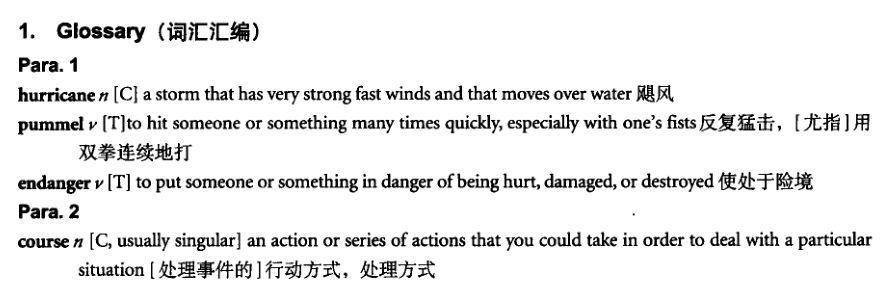
John Koshak, Jr., knew that Hurricane Camille would be bad. Radio and television warnings had sounded throughout that Sunday, last August 17, as Camille lashed northwestward across the Gulf of Mexico. It was certain to pummel Gulfport, Miss., where the Koshaks lived. Along the costs of Louisiana, Mississippi and Alabama, nearly 150,000 people fled inland to safer ground. But, like thousands of others in the costal communities, John was reluctant to abandon his home unless the family - his wife, Janis, and their seven children, aged 3 to 11 - was clearly endangered.
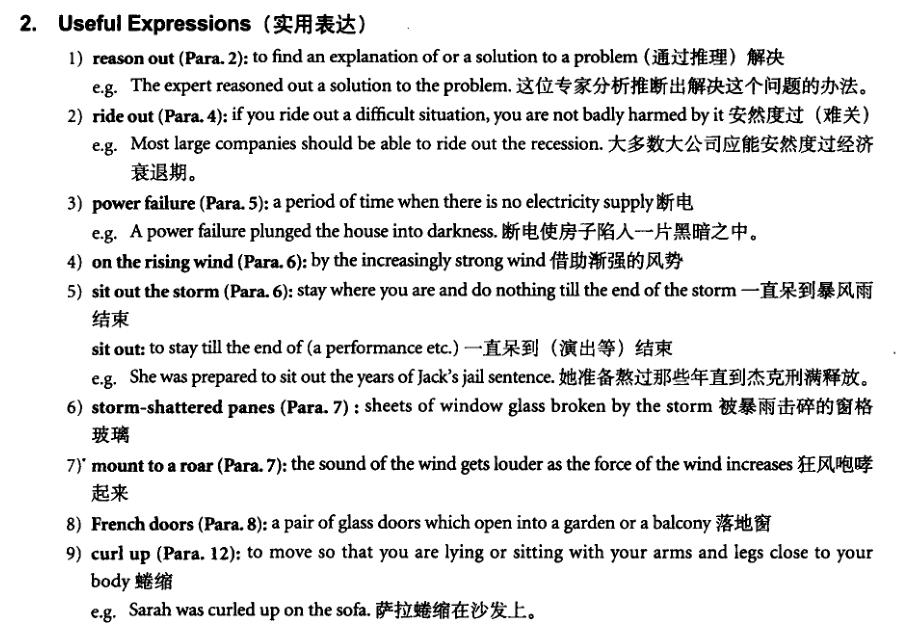
Trying to reason out the best course of action, he talked with his father and mother, who had moved into the ten-room house with the Koshaks a month earlier from California. He also consulted Charles Hill, a longtime friend, who had driven from Las Vegas for a visit.
John, 37 - whose business was right there in his home (he designed and developed educational toys and supplies, and all of Magna Products’ correspondence, engineering drawings and art work were there on the first floor) - was familiar with the power of a hurricane. Four years earlier, Hurricane Betsy had demolished his former home a few miles west of Gulfport (Koshak had moved his family to a motel for the night). But that house had stood only a few feet about sea level. "We're elevated 23 feet," he told his father, "and we're a good 250 yards from the sea. The place has been here since 1915, and no hurricane has ever bothered it. We'll probably be safe here as anyplace else."
The elder Koshak, a gruff, warm-hearted expert machinist of 67, agreed. "We can batten down and ride it out," he said. "If we see signs of danger, we can get out before dark."
The men methodically prepared for the hurricane. Since water mains might be damaged, they filled bathtubs and pails. A power failure was likely, so they checked out batteries for the portable radio and flashlights, and fuel for the lantern. John's father moved a small generator into the downstairs hallway, wired several light bulbs to it and prepared a connection to the refrigerator.
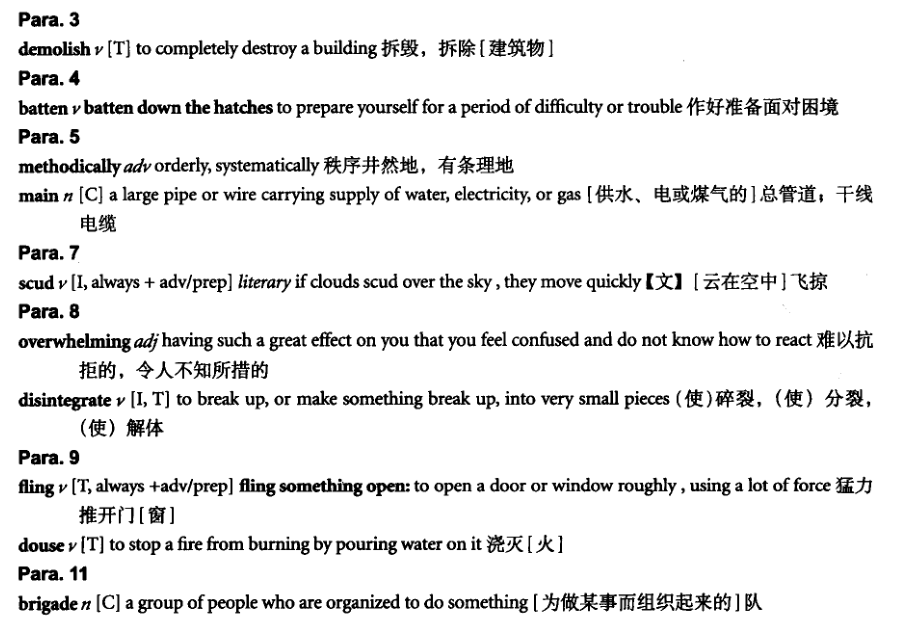
Rain fell steadily that afternoon; gray clouds scudded in from the Gulf on the rising wind. The family had an early supper. A neighbor, whose husband was in Vietnam, asked if she and her two children could sit out the storm with the Koshaks. Another neighbor came by on his way inland - would the Koshaks mind taking care of his dog?
It grew dark before seven o'clock. Wind and rain now whipped the house. John sent his oldest son and daughter upstairs to bring down mattresses and pillows for the younger children. He wanted to keep the group together on one floor. "Stay away from the windows," he warned, concerned about glass flying from stormed-shattered panes. As the wind mounted to a roar, the house began leaking - the rain seemingly driven right through the walls. With mops, towels, pots and buckets the Koshaks began a struggle against the rapidly spreading water. At 8:30, power failed, and Pop Koshak turned on the generator.
The roar of the hurricane now was overwhelming. The house shook, and the ceiling in the living room was falling piece by piece. The French doors in an upstairs room blew in with an explosive sound, and the group heard gun-like reports as other upstairs windows disintegrated. Water rose above their ankles.
Then the front door started to break away from its frame. John and Charlie put their shoulders against it, but a blast of water hit the house, flinging open the door and shoving them down the hall. The generator was doused, and the lights went out. Charlie licked his lips and shouted to John, "I think we're in real trouble. That water tasted salty." The sea had reached the house, and the water was rising by the minute!
"Everybody out the back door to the cars!" John yelled. "We'll pass the children between us. Count them! Nine!"
The children went from adult to adult like buckets in a fire brigade. But the cars wouldn't start; the electrical systems had been killed by the water. The wind was too strong and the water too deep to flee on foot. "Back to the house"! John yelled. "Count the children! Count nine!"
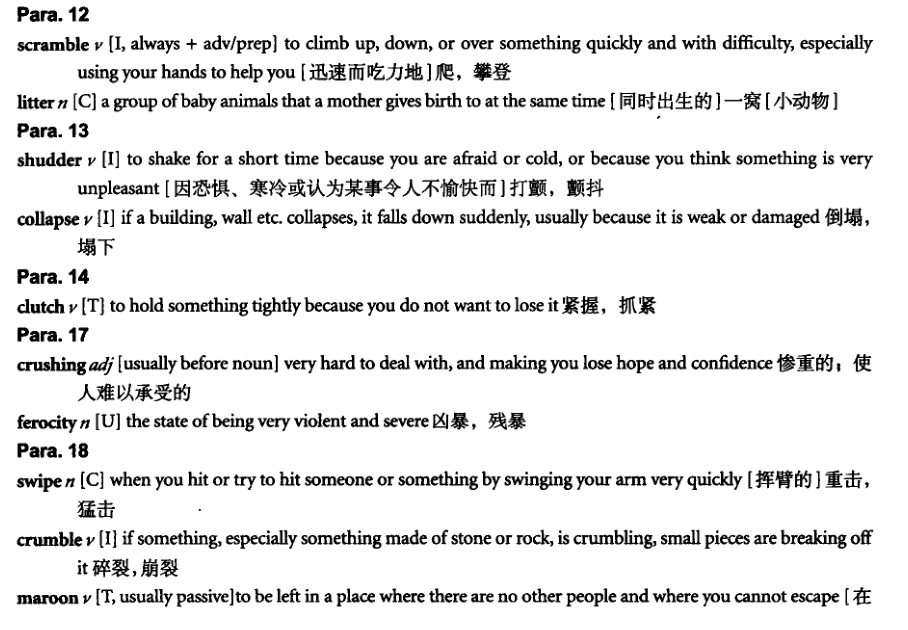
As they scrambled back, John ordered, "Everybody on the stairs!" Frightened, breathless and wet, the group settled on the stairs, which were protected by two interior walls. The children put the cat, Spooky in a box with her four kittens on the landing. She peered nervously at her litter. The neighbor's dog curled up and went to sleep.
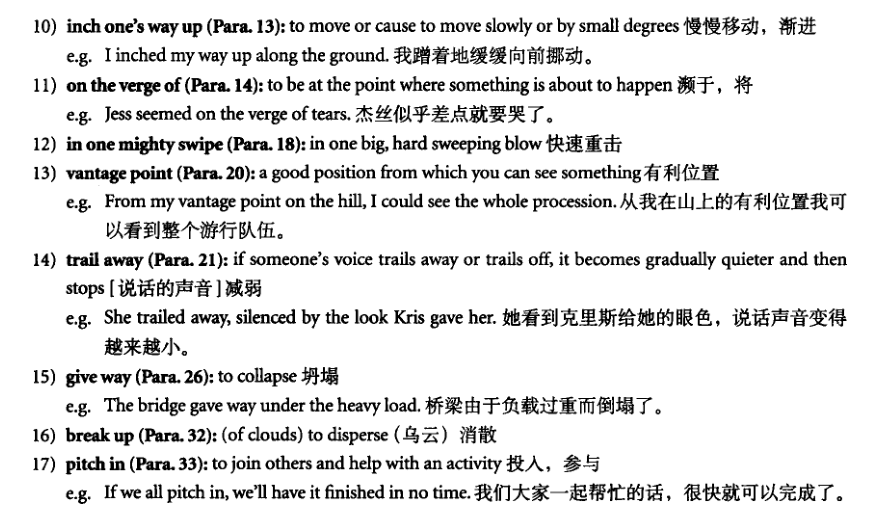
The wind sounded like the roar of a train passing a few yards away. The house shuddered and shifted on its foundations. Water inched its way up the steps as the first-floor outside walls collapsed. No one spoke. Everyone knew there was no escape; they would live or die in the house.
Charlie Hill had more or less taken responsibility for the neighbor and her two children. The mother was on the verge of panic. She clutched his arm and kept repeating, "I can't swim, I can't swim."
"You have won't have to," he told her, with outward calm. "It's bound to end soon."
Grandmother Koshak reached an arm around her husband's shoulder and put her mouth close to his hear. "Pop," she said, "I love you." He turned his head and answered, "I love you" - and his voice lacked its usual gruffness.
John watched the water lap at the steps, and felt a crushing guilt. He had underestimated the ferocity of Camille. He had assumed that what happened could not happen. He held his head between his hands and silently prayed: "Get us through this mess, will You?"
A moment later, the hurricane in one might swipe, lifted the entire roof off the house and skimmed it 40 feet through the air. The bottom of the steps of the staircase broke apart. One wall began crumbling on the marooned group.
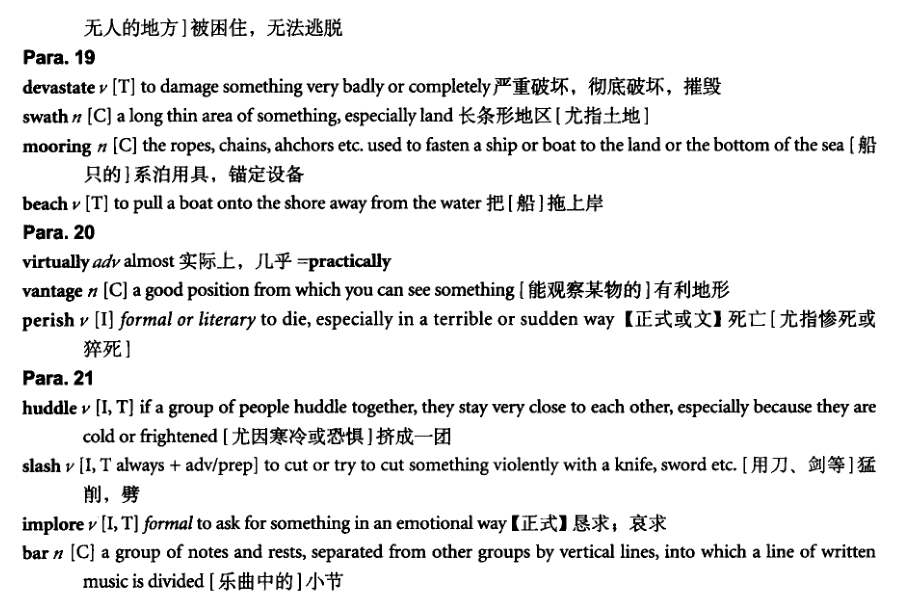
Dr. Robert H. Simpson, director of the National Hurricane Center in Miami, Fla., graded Hurricane Camille as "the greatest recorded store ever to hit a populated area in the Western Hemisphere." In its concentrated breadth of some 70 miles it shout out winds of nearly 200 m.p.h. and raised tides as much as 30 feet. Along the Gulf Coast it devastated everything in its swath; 19,467 homes and 709 small businesses were demolished or severely damaged. It seized a 600,000 - gallon Gulfport oil tank and dumped it 3 1/2 miles away. It tore three large cargo ships from their morrings and beached them. Telephone poles and 20-inch-thick pines cracked like guns as the winds snapped them.
To the west of Gulfport, the town of Pass Christian was virtually wiped out. Several vacationers at the luxurious Richelieu Apartments there held a hurricane party to watch the storm from their spectacular vantage point. Richelieu Apartments were smashed apart as if by a gigantic fist, and 26 people perished.
Seconds after the roof blew off the Koshak house, John yelled, "Up the stairs into our bedroom! Count the kids." The children huddled in the slashing rain with the circle of adults. Grandmother Koshak implored, "Children, let's sing!" The children were to frightened to respond. She carried on along for a few bars; then her voice trailed away.
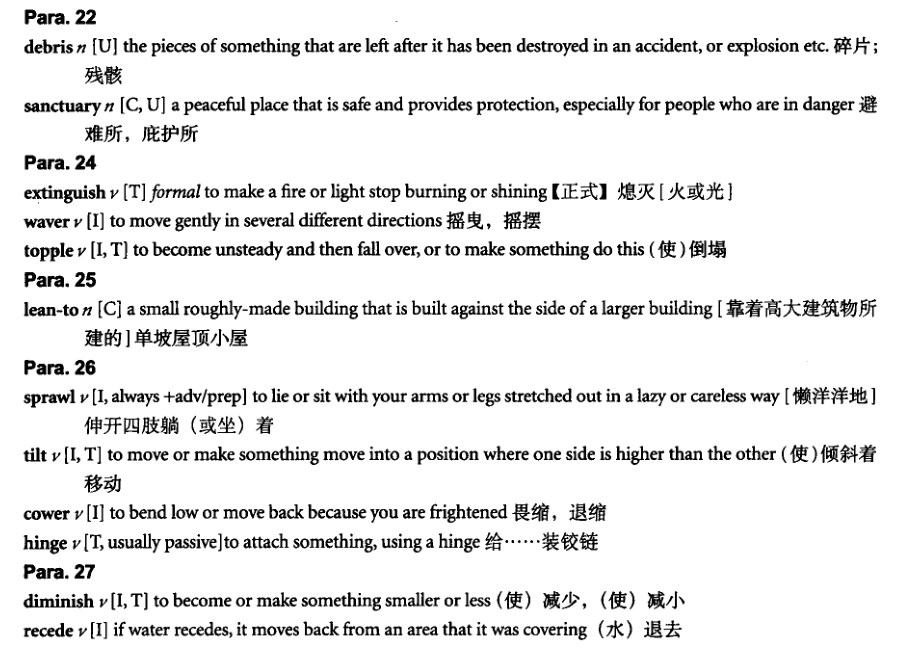
Debris flew as the living-room fireplace and its chimney collapsed. With two walls in their bedroom sanctuary beginning to disintegrate, John ordered, "Into the television room!" This was the room farthest from the direction of the storm.
For an instant, John put his arm around his wife. Janis understood. Shivering from the wind and rain and fear, clutching two children to her, she thought, Dear Lord, give me the strength to endure what I have to. She felt anger against the hurricane. We wont' let it win.
Pop Koshak raged silently, frustrated at not being about to do anything to fight Camille. Without reason, he dragged a cedar chest and double mattress from a bedroom into the TV room. At that moment, the wind tore out one wall and extinguished the lantern. A second wall moved, wavered. Charlie Hill tired to support it, but it toppled on him, injuring his back. The house, shuddering and rocking, had moved 25 feet from its foundations. The world seemed to be breaking apart.
"Let's get that mattress up!" John shouted to his father. "Make it a lean-to against the wind. Get the kids under it. We can prop it up with our heads and shoulders!"
The larger children sprawled on the floor, with the smaller ones in a layer on top of them, and the adults bent over all nine. The floor tilted. The box containing the litter of kittens slid off a shelf and vanished in the wind. Spooky flew off the top of a sliding bookcase and also disappeared. The dog cowered with eyes closed. A third wall gave way. Water lapped across the slanting floor. John grabbed a door, which was still hinged to one closet wall. "If the floor goes," he yelled at his father, "let's get the kids on this."
In that moment, the wind slightly diminished and the water stopped rising. Then the water began receding. The main thrust of Camille had past. The Koshaks and their friends had survived.
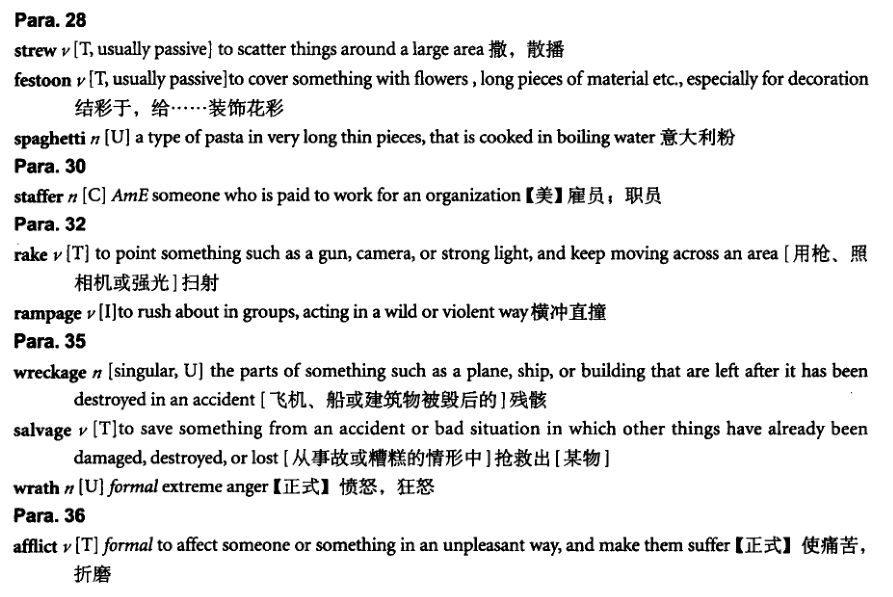
With the dawn, Gulfport people started coming back to their homes. They saw human bodies - more than 130 men, women and children died along the Mississippi coast - and parts of the beach and hi-way were strewn with dead dogs, cats, cattle. Strips of clothing festooned the standing trees, and blown-down power lines coiled like black spaghetti over the roads.
None of the returnees moved quickly or spoke loudly; they stood shocked, trying to absorb the shattering scenes before their eyes. "What do we do?" they asked. "Where do we go?"
By this time, organizations within the area and, in effect, the entire population of the United States had come to the aid of the devastated coast. Before dawn, the Mississippi National Guard and civil-defense unites were moving in to handle traffic, guard property, set up communications centers, help clear the debris and take the homeless by truck and bus to refugee centers. By 10 a.m., the Salvation Army's canteen trucks and Red Cross volunteers and staffers were going wherever possible to distribute hot drinks, food, clothing and bedding.
From hundreds of towns and cities across the country came several million dollars in donations; household and medical supplies streamed in by plane, train, truck and car. The federal government shipped 4,400,000 pounds of food, moved in mobile homes, set up portable classrooms, opened offices to provide low-interest, long-term business loans.
Camille, meanwhile, had raked its way northward across Mississippi, dropping more than 28 inched of rain into West Virginia and southern Virginia, causing rampaging floods, huge mountain slides and 111 additional deaths before breaking up over the Atlantic Ocean.
Like many other Gulfport families, the Koshaks quickly began re-organizing their lives. John divided his family in the homes of two friends. The neighbor with her two children went to a refugee center. Charlie Hill found a room for rent. By Tuesday, Charlie's back had improved, and he pitched in with Seabees in the worst volunteer work of all - searching for bodies. Three days after the storm, he decided not to return to Las Vegas, but to "remain in Gulfport and help rebuild the community."
Near the end of the first week, a friend offered the Koshaks his apartment, and the family was reunited, The children appeared to suffer no psychological damage from their experience; they were still awed by the incomprehensible power of the hurricane, but enjoyed describing what they had seen and heard on that frightful night. Janis had just one delayed reaction. A few nights after the hurricane, she awoke suddenly at 2 a.m. She quietly got up and went outside. Looking up at the sky and, without knowing she was doing it, she began to cry softly.
Meanwhile, John, Pop, and Charlie were picking through the wreckage of the home. It could have been depressing, but it wasn't: each salvaged item represented a little victory over the wrath of the storm. The god and cat suddenly appeared at the scene, alive and hungry.
But the blues did occasionally afflict all the adults. Once, in a low mood, John said to his parents, "I wanted you here so that we would all be together, so you could enjoy the children, and look what happened."
His father, who had made up his mind to start a welding shop when living was normal again, said, "Let's not cry about what's gone. We'll just start all over."
"You're great," John said. "And this town has a lot of great people in it. It's going to be better here than it ever was before."
Later, Grandmother Koshak reflected: "We lost practically all our possessions, but the family came through it. When I think of that part, I realize we lost nothing important."
课文音频:
Firstly, let's spend 19 minutes having a listen to the recording of Lesson 1 (MP3)
Then let's learn the following contents: (Background --Para 1)
个人值日报告视频示范模板:
let's see the duty report video made by Miss Yin Xiaolan(尹小兰)(Dual Degree Class, Grade 2018)'s interesting and instructive presentation:
My thoughts on Teach Girls Bravery, Not Perfection (Time: 02:19)
Then, let's see the duty report video made by Miss Su Junjin(苏君金)( Class 2, Grade 2017)'s splendid and comprehensive presentation on epidemic situation in the United States, telling us why there is the virus outbreak in U.S., giving us several reasons: a lack of testing capacity that U.S. need; no strict quarantine policy with the US; ordinary Americans' no taking virus seriously. There are three voices coming from President( says: When you have 15 people, and 15 within couple of days it is gonna be down to close to 0. It goes away at April with the heat, as the heat comes in. It will go away stay calm it will go away. Anyone wants to test can have a test.); Vice President ( says: We don't have the testing capacity.); people( say: How can you say both things? And they are also going to the bars, partying and taking in other activities, thinking they are just living for the moment and what happens when it happens.). But we are the world, and we are human beings, the world will get better soon. Let's have our enjoyment:
My thoughts on the epidemic situation in the United States (Time: 03:28)
Now, let's see the duty report video made by Miss Huang Lin(黄林)( Class 1, Grade 2017)'s interesting
and active health presentation on those physical harm of sitting too much, illustrating many vivid examples, using bilingual expressions, giving some tips, such as: Human body is built to move; Try switching the slouch for a straight spine; Set a reminder to yourself every halfhour,etc. So, let's enjoy:
Sitting too much may be as bad for you as smoking(Time: 02:04)
小组Teamwork 视频示范模板:
1.Informative, vernal,creative and vivid introduction Teamwork
报告视频 (Time: 7:25)
英语194班 高英第5小组:Our college life
2.管理学院2020级学术硕士 管理科学与工程专业-毕业季
Teamwork
报告视频 (Time: 4:03)

