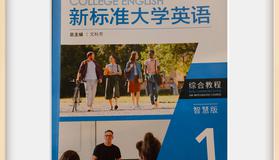
新标准大学英语1第三版

李海洁、姜仁凤、刘文 等

目录

  • 1 Unit 1 College:Survive and thrive
    • 1.1 Lead in
    • 1.2 Scenario
    • 1.3 Active reading
  • 2 Unit 1 Further exploration
    • 2.1 Settling down around the world
    • 2.2 Video: What is the point of college?
    • 2.3 Sharing your ideas
    • 2.4 Translation
  • 3 Unit1 Project &Extended reading
    • 3.1 Project
    • 3.2 Extended reading
    • 3.3 Guided writing
  • 4 Unit 2 New words, new world
    • 4.1 Scenario
    • 4.2 Active reading: Metaphors for language
  • 5 Unit 2 Further exploration
    • 5.1 The secret of ployglots
      • 5.1.1 Translation
    • 5.2 Video: When wrong is right
    • 5.3 Sharing your ideas
  • 6 Unit 2 Project&Extended reading
    • 6.1 Project
    • 6.2 Extended reading
  • 7 Unit 3 Teste life
    • 7.1 Lead-in & Scenario
    • 7.2 Active reading-My first oyster
  • 8 Unit 3 Further exploration
    • 8.1 Street food around the world
    • 8.2 Video:chongqing hotpot
    • 8.3 Translation
  • 9 Unit 3 Project & Extended reading
    • 9.1 Project
    • 9.2 Extended reading
  • 10 Unit4 Handing it down
    • 10.1 Scenario
    • 10.2 Active reading: The pickle jar
    • 10.3 Translation
  • 11 Unit 4 Further exploration
    • 11.1 Text: Jiafeng: Traditional family virtues
    • 11.2 Audio
  • 12 Unit 4 Project & Extended reading
    • 12.1 Project
    • 12.2 Extended reading
    • 12.3 Translation
  • 13 Unit 5 The admirable
    • 13.1 Scenario
    • 13.2 Active reading
  • 14 Unit 5 Further exploration
    • 14.1 Text: Heroes in Western literature
    • 14.2 Audio
  • 15 Unit 5 Project & Extended reading
    • 15.1 Project
    • 15.2 Extended reading
Lead in

Warming up

Watch the movie clip and discuss the questions:

1. What do you think of the teacher in the film?

2. What do you expect to learn in the university?


Further Discussion

Look at the list of education objectives and number them in order of importance to you.

☐ finding a girlfriend / boyfriend

☐ studying hard and learning a lot

☐ meeting people and making friends

☐ getting a good job when you graduate

☐ having fun

☐ growing up and becoming independent

☐ going to parties

☐ doing lots of sport

☐ reading widely

☐ learning new skills and having new experiences


How to write a diary in English

1. Format:

    a. Write down the date, the day and the weather on the first line. The date and the day are on the left, while the weather is on the right.

    b. Write the body part. Write this part on the second line.

2. Person: 

    Write the diary in the first person.

3. Tense:

     a.   Past tense;

     b.   Present tense;

     c.   Future tense.

4. Order:

    Write the diary in chronological order.

5. Style

    Casual and informal: express a personal viewpoint with reactions, reflections and feelings.