目录

  • 1 Unit 1 Introduction to Financial Management(1)
    • 1.1 Financial Management and Financial Manager
    • 1.2 Financial Management Decision
  • 2 Unit 2 Introduction to Financial Management(2)
    • 2.1 Types of Business Organization
    • 2.2 Corporate Structure of the Company
    • 2.3 Objectives of Financial Management
    • 2.4 Separation of Ownership and Control
  • 3 Unit 3 Interpreting Financial Statements
    • 3.1 Basics of Annual Reports and Financial Statements
    • 3.2 Balance Sheet
    • 3.3 Income Statement
    • 3.4 Statement of Retained Earnings
    • 3.5 Statement of Cash Flow
  • 4 Unit 4 Financial Ratio Analysis
    • 4.1 Financial Ratio Analysis
    • 4.2 Liquidity Ratios
    • 4.3 Debt Management Ratios
    • 4.4 Asset Management Ratios
    • 4.5 Profitability Ratios
    • 4.6 Market Value Ratios
    • 4.7 Uses and Limitation of Financial Ratio Analysis
  • 5 Time Value of Money and Valuation
    • 5.1 Central Concepts in Financial Management
    • 5.2 Simple vs. Compound Interest Rates and Future vs. Present Value
    • 5.3 Annuity
    • 5.4 Valuation Fundamentals
    • 5.5 Bond Valuation
    • 5.6 Common Stock Valuation
Statement of Retained Earnings

Statement of Retained Earnings

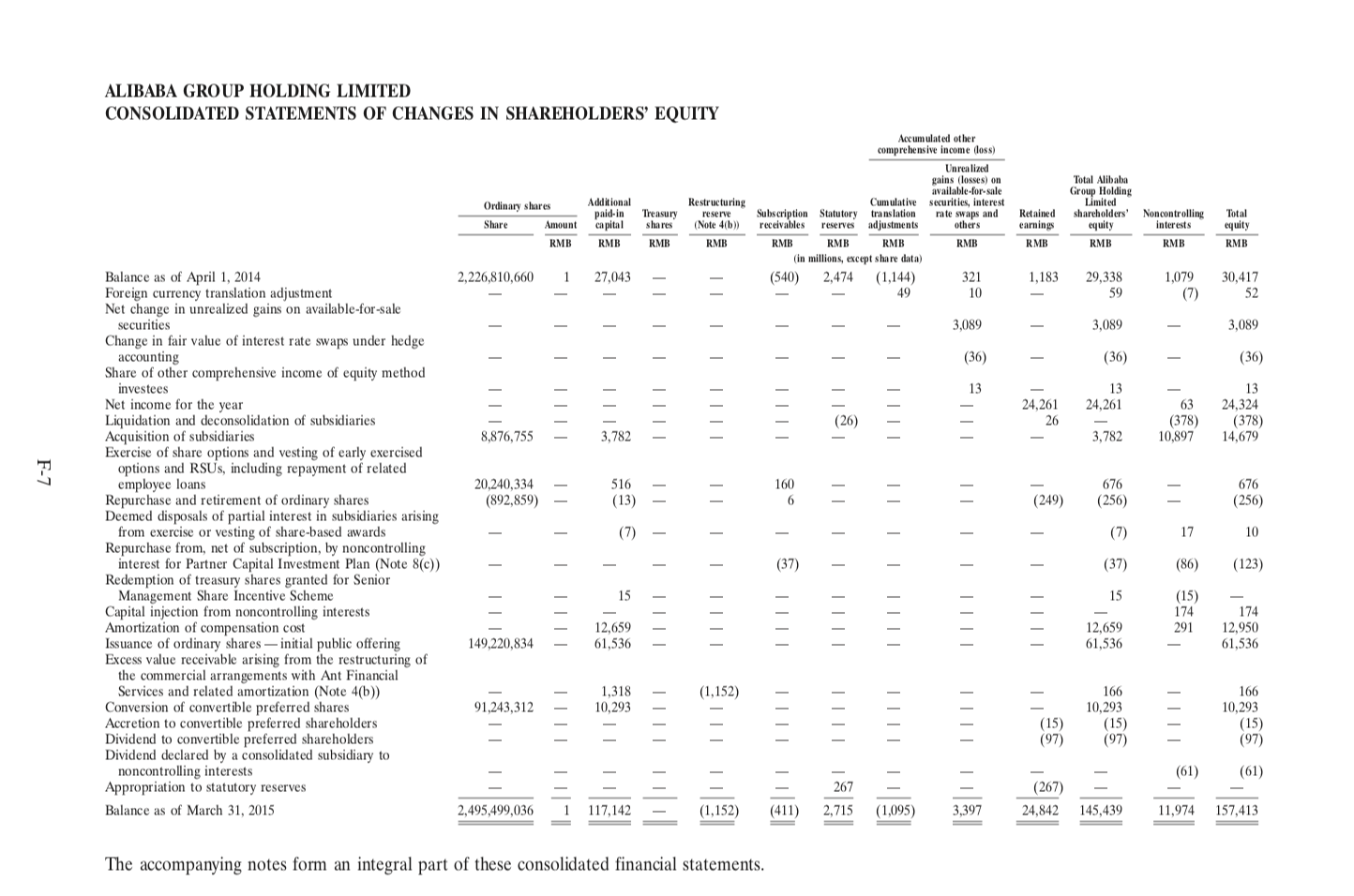
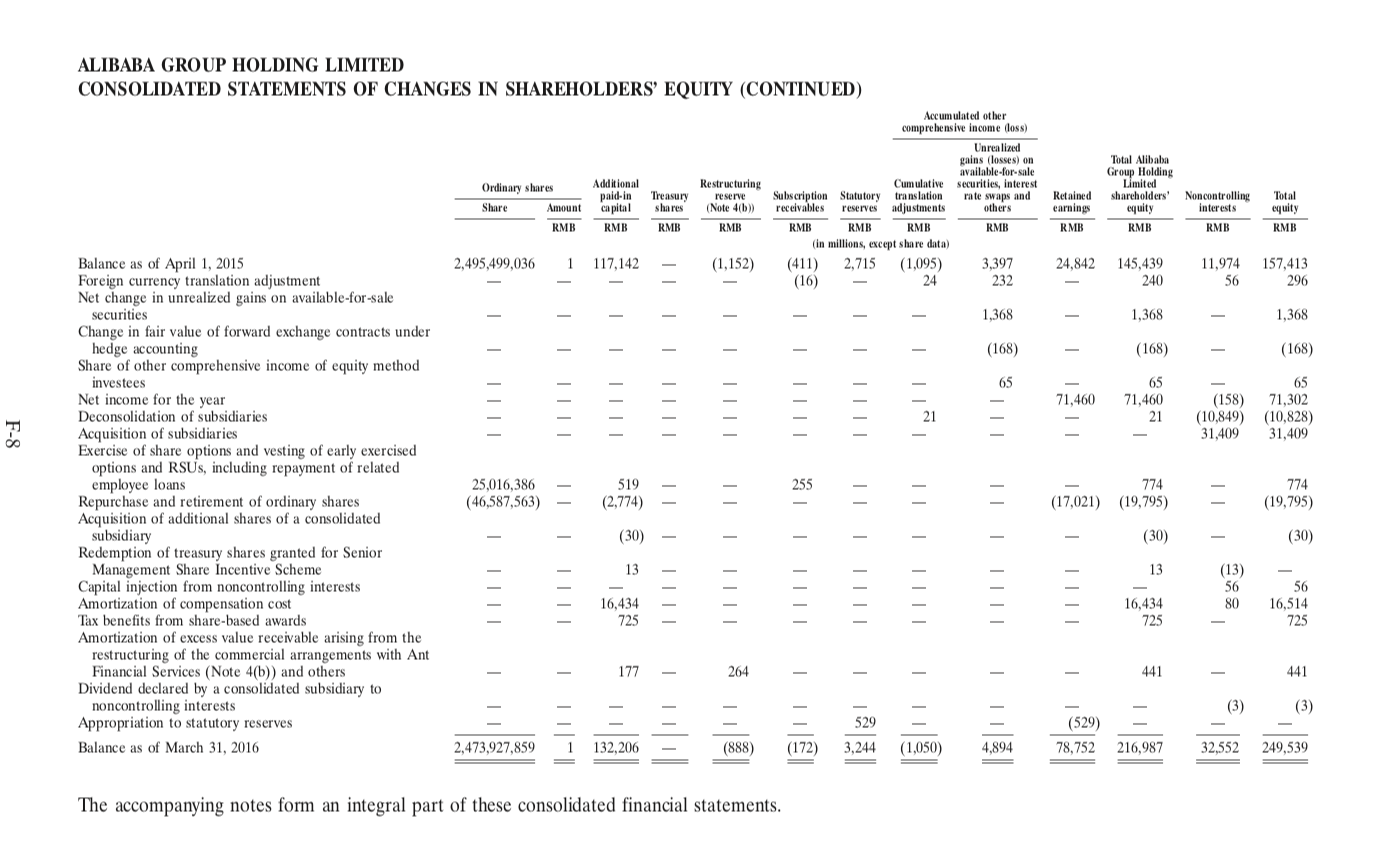
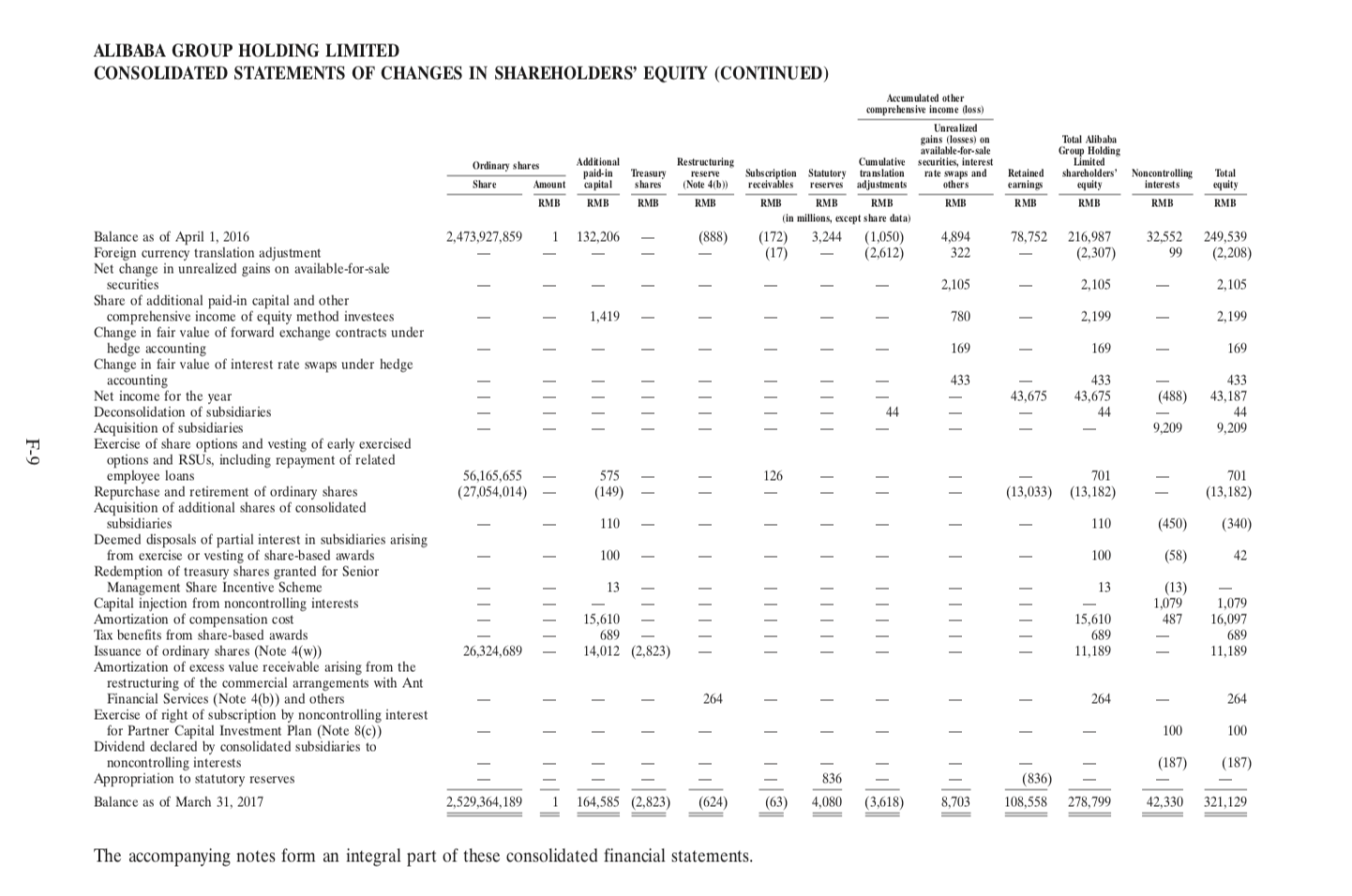
A firm's statement of retained earnings, also known as its statement of changes in shareholders' equity, provides additional information on the composition of the owners' equity accounts. 

 the retained earnings balance at the start of the period;

 how much the firm earned (net income);

 how much dividends the firm paid;

 how much net income was reinvested back into the firm (retained earnings);

 any repurchases of the firm’s stock;

 any new issues of the firm’s stock; and

 the retained earnings balance at the close of the period.


※Put-in capital:附加资本,补缴资本;  subscription:股本认购;statutory reserves:法定公积金