-
1 Artical
-
2 Words and&nb...
-
3 Notes on&nbs...



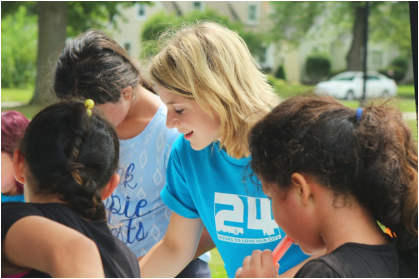
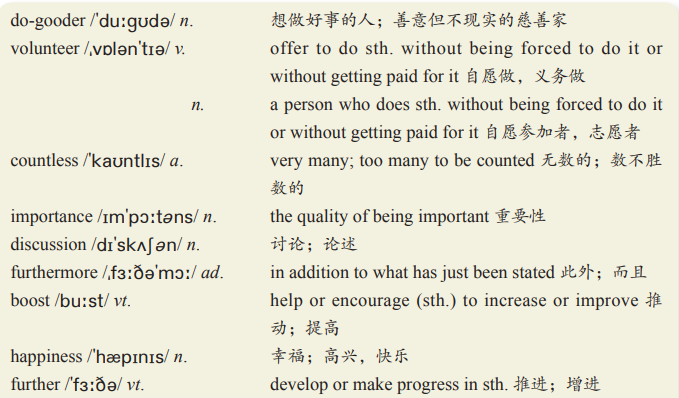
1 When I was growing up, I saw both my parents volunteer countless hours to various causes over the years. Although it might seem like a wise practice to talk to children about the importance of volunteering, in my case my parents sent a very clear message by not talking about it. It went without saying: Of course a person would spend time and energy on important causes. No discussion necessary.
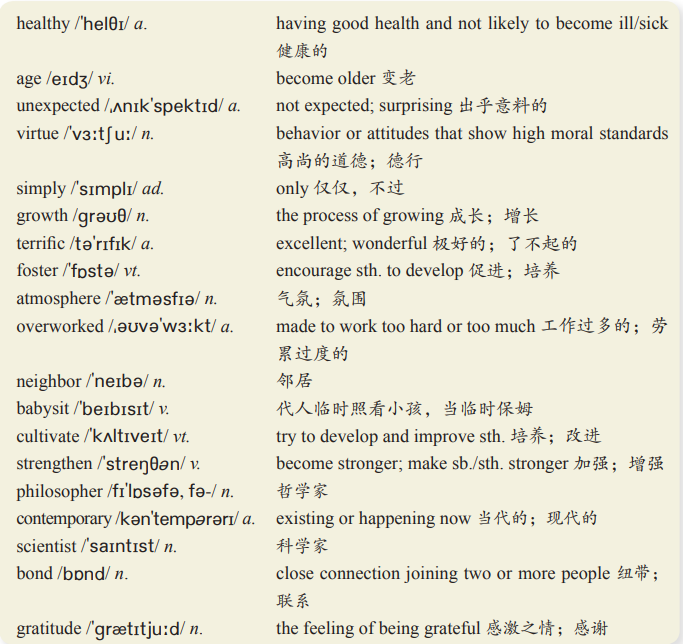
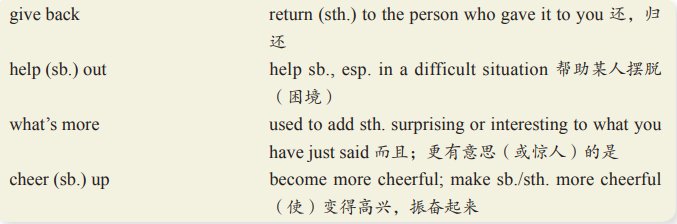
2 Volunteering our time, energy and money is the right thing to do — we all know that. Furthermore, studies show that this habit boosts happiness; those who work to further the causes they value tend to be happier and healthier, experience fewer aches and pains, and even live longer. They show fewer signs of physical and mental aging.
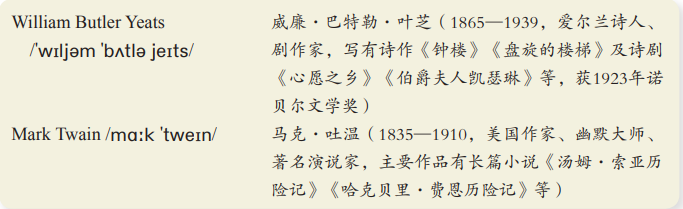
3 Giving back may seem like a stretch time-wise, but it enables us to grow in unexpected ways. We’re happier when we’re learning something new, teaching someone else, making something better, or fixing something. As William Butler Yeats observed, “Happiness is neither virtue nor pleasure nor this thing nor that but simply growth. We are happy when we are growing.”
4 Volunteering can be a terrific way to foster an atmosphere of growth You can organize meetings to support your neighborhood school. You can help out in a soup kitchen. You can give an overworked neighbor some free babysitting. By cultivating an atmosphere of growth, you charge your life with energy and happiness.
5 Also, volunteering allows us to build and strengthen relationships with others. Ancient philosophers and contemporary scientists agree: If there’s a single key to happiness, it’s strong bonds with other people. Generous acts strengthen our bonds with others, and what’s more, studies show that happiness is often boosted more by providing support to other people than by receiving it. I get more satisfaction out of thinking about the help that I’ve given to others than I do from thinking about how others have helped me (though gratitude is another key element to happiness), just as Mark Twain once said, “The best way to cheer yourself up is to try to cheer somebody else up.”
(351 words)