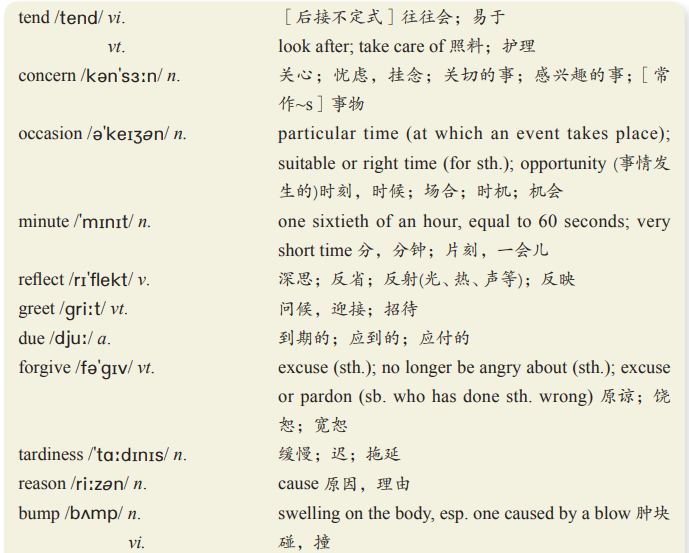
1 We tend to get caught up in everyday business and concerns and forget some of the things that are most important. Too few of us stop and take the time to say “thank you” to our mothers.
2 With a letter to my mother on the occasion of Mother’s Day, I’m going to take a minute to reflect. Feel free to use any of this in greeting your own mother on Sunday, May 10. Happy Mother’s Day to all.
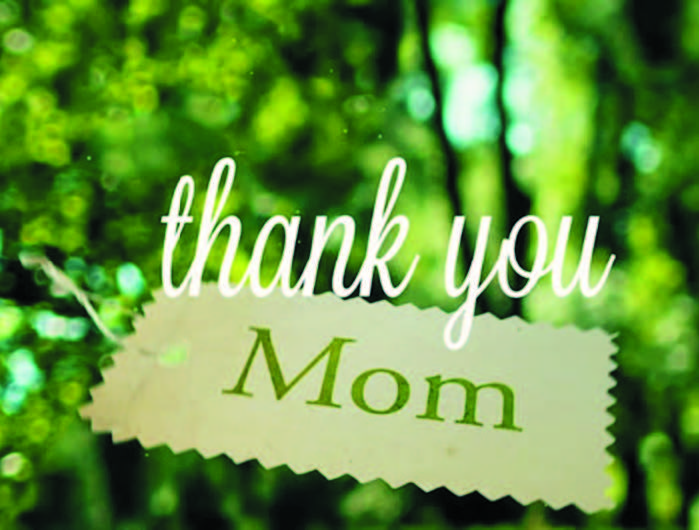
Dear Mom,
3 This letter, I know, is long past due. I know you’ll forgive the tardiness, you always do.
4 There are so many reasons to say thank you, it’s hard to begin. I’ll always remember you were there when you were needed.
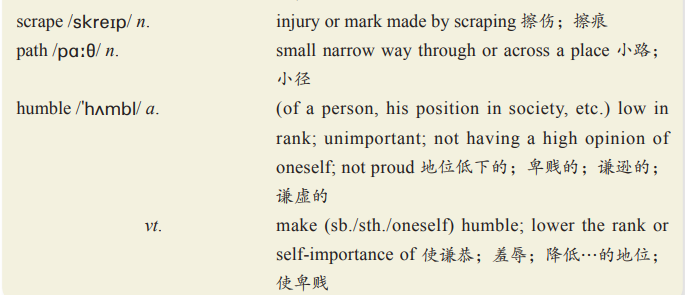
5 When I was a child, as happens with young boys, there were cuts and bumps and scrapes that always felt better when tended by you.
6 You kept me on the straight path, one I think I still walk.
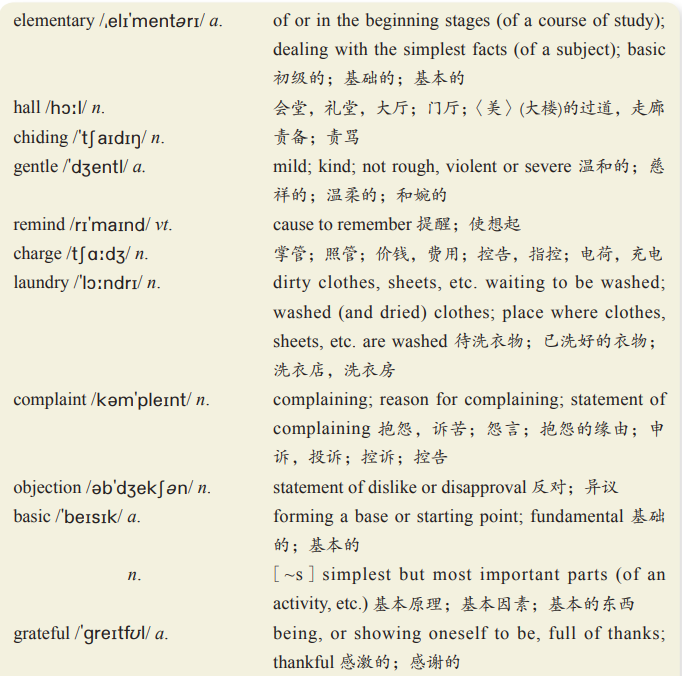
7 There was nothing quite so humbling as standing outside my elementary school classroom and seeing you come walking down the hall. You were working at the school and I often managed to get sent outside class for something. Your chiding was gentle, but right to the point.
8 I also remember that even after I grew bigger than you, you weren’t afraid to remind me who was in charge. For that I thank you.
9 You did all the things that mothers do — the laundry, the cooking and cleaning — all without complaint or objection. But you were never too busy to help with a problem, or just give a hand.
10 You let me learn the basics in the kitchen, and during the time I was on my own it kept me from going hungry.
11 You taught by example and for that I am grateful. I can see how much easier it is with my own daughter to be the best model I can be. You did that for me.
12 Your children are grown now, your grandchildren, almost. You can look back with pride now and know you can rest. As mothers are judged, you stand with the best.
13 God bless you, Mom.
(358 words)


1. Thanks, Mom, for All You Have Done:
谢谢你,妈妈,为了你所做的一切。标题中的You Have Done是修饰all的定语从句,前面省略了关系代词that。
2. We tend to get caught up in everyday business and concerns and forget some of the things that are most important.
我们往往被日常事务缠住而忘记一些最为重要的事情。get caught up是被动语态,get作系动词,相当于be。相同的例子还有第七段中的get sent outside class。that are the most important是定语从句,修饰the things。
3. Feel free to use any of this in greeting your own mother on Sunday, May 10.
在5月10日星期天问候你的母亲时请随意用这封信中的任何句子。本句是祈使句,用动词原形,表示劝告、建议、命令等语气。
4. This letter, I know, is long past due.
我知道,这封信早就该写了。本句中I know是插入成分。due意为“到期的”,past due意为“过期了”。
5. When I was a child, as happens with young boys, there were cuts and bumps and scrapes that always felt better when tended by you.
我小的时候,如同所有的小男孩一样,身上总有些割破的伤口、碰撞造成的肿块和擦伤,但有你照料,我总会感到好一些。
本句中as happens with young boys是一个由关系代词as引导的非限制性定语从句,修饰整个句子。that always felt better when (they were) tended by you是定语从句,felt也作系动词,意思是“感觉、觉得”。时间状语从句when (they were) tended by you 中省略了主语和be动词。在英语中,如果状语从句的主语和主句的主语一致,且后面跟有be动词,则可以省略从句中相同的主语和后面的be动词。
6. You kept me on the straight path, one I think I still walk.
你使我一直走在正路上,我认为这仍是我在走的路。one (that) I think I still walk是path的同位语,起补充说明的作用。修饰one的定语从句省略了关系代词that。I think是插入语,表达作者的观点。
7. There was nothing quite so humbling as…
最为丢脸的事莫过于......在英语中,“否定词+so+形容词/副词+as”表示“最…”的意思。
8. … seeing you come walking down the hall.
……看到你沿着走廊走过来。在英语中,感官动词see, feel, watch等后跟不带to的不定式作宾语补足语。
9. … and I often managed to get sent outside class for something.
……而我竟然常常因为犯事被赶出教室。 此句中的manage意为“竟然搞得,竟做出”。又如: I don't know how I managed to arrive so late. 我也不知道我怎么竟然会到得这么晚。
10. … you weren’t afraid to remind me…
……你也不怕提醒我…… afraid用于be afraidof 结构和be afraid to do结构,前者表示怕做某事,而后者侧重表示因为担心后果严重而不敢也不愿做某事。
11. For that I thank you.
为此我感谢你。本句倒装,句型thank sb. for sth.中的介词结构for that置于句首是为了与上文更紧密。同样的例子还有第十一段中的for that I am grateful。
12. But you were never too busy to help with a problem, or just give a hand.
然而即使再忙你也总能帮着我做题,或助我一臂之力。too…... to…...结构表示“太…...以至于不能…”。
13. … during the time I was on my own it kept me from going hungry.
……这使我在独自一人时不致挨饿。keep sb. from doing sth.意为“使某人不做某事”。go为系动词,表示过程。
14. You taught by example…
你以身作则,身教重于言教。
15. I can see how much easier it is with my own daughter to be the best model I can be.
我看到我多么容易就成了自己女儿的最佳楷模。how much easier it is… ...是感叹句,it是形式主语,真正的主语是后面的不定式短语to be the best model (that) Ican be。形容词比较级easier之前用much修饰,表示“容易得多”。