-
1 Article
-
2 Words and&nb...
-
3 Notes on&nbs...



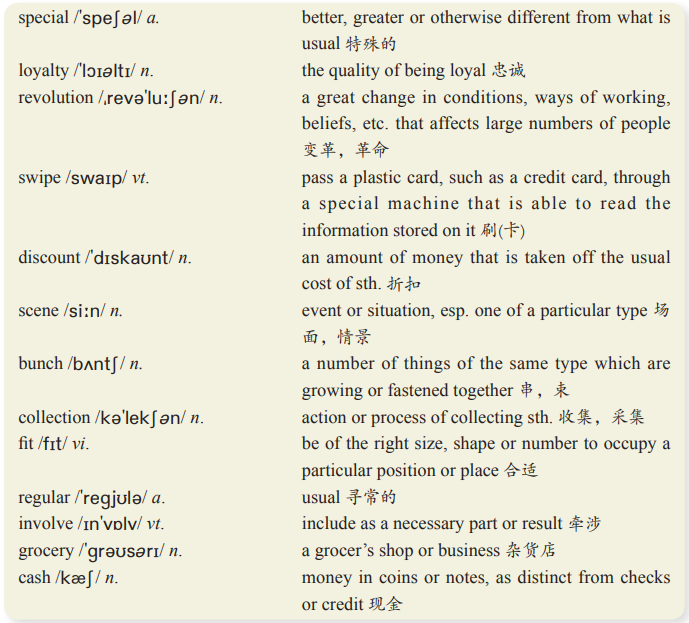
1 Do you have a special card you show each time you shop at a certain store? A loyalty card or shopping card? If you do, then you are part of the Big Data revolution. You may think that by swiping your loyalty or shopping card, you’re just getting discounts. But behind the scenes, a whole bunch of information about you is being stored.
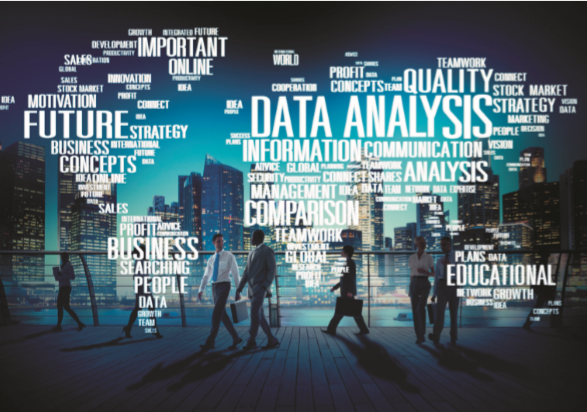
2 This collection of information is so big that it wouldn’t fit on most regular computers. When there is that much information involved, we call it Big Data.
3 You may have heard about Big Data in the news, but what is it? Well, you already know what big means. Data is another word for information in the form of numbers or words.
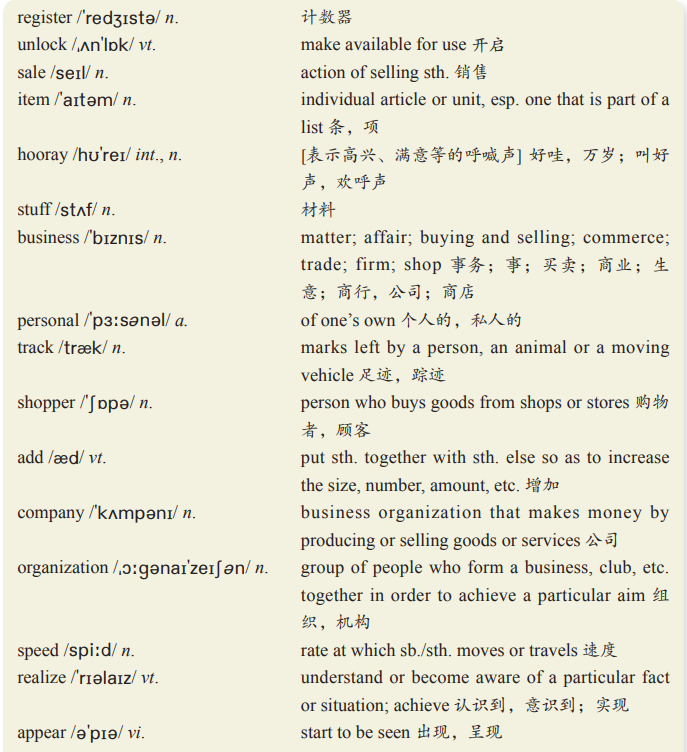
4 Let’s say a woman named Jane swipes her loyalty store card at the grocery store. When the card is swiped, it tells the computer running the cash register to unlock special sale prices for some items. Hooray for Jane! However, the card can also collect a lot of other stuff that helps the business. From that one swipe, the computer system knows Jane’s name, address, and other personal information. It can then keep track of everything she buys.
5 Wait. How does the system know so much about this shopper? It’s simple. Back when Jane first got her card, she was asked to fill out a form with her name, address, and other personal information. Everything she wrote down was entered into the system. Each piece of information is one more data point in the computer system. Over time, this data adds up.
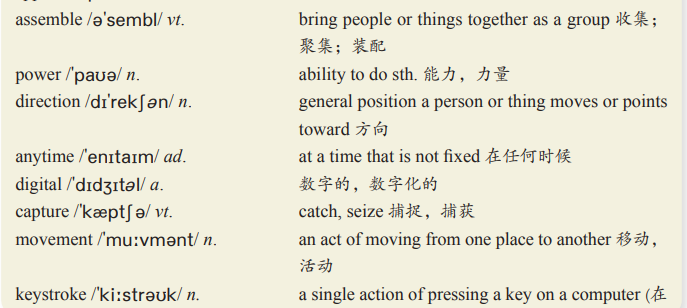
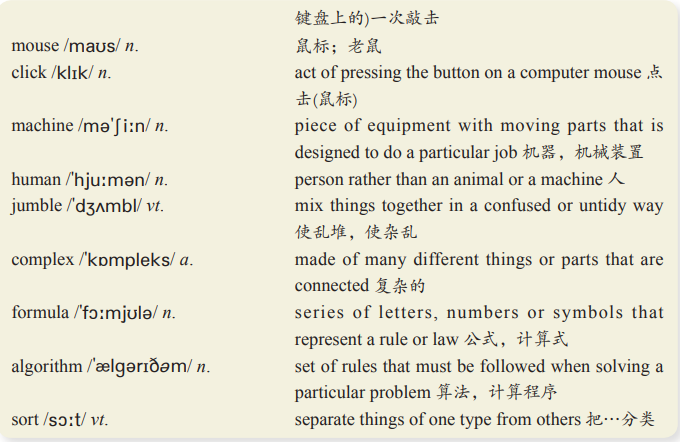
6 Big Data isn’t a place or a company or an organization. It’s the idea that it’s now possible, with the help of technology, to gather up tiny bits of information almost at the speed of light, often without people realizing it’s happening. Big Data doesn’t just appear. It is assembled over time. As you learned earlier, a single swipe of a grocery store shopping card has the power to send data in a lot of different directions. Anytime there is a digital device that can capture movements, keystrokes, mouse clicks, or even sounds, it becomes possible for computers and other machines to collect data much faster than it could ever be collected by humans.
7 But Big Data isn’t just a jumbled collection of information. Complex computer programs use math formulas known as algorithms to sort out the information, find patterns, and make decisions.
(409 words)