Reading Material: Embedded System
An embedded system is a computer system designed to do one or a few dedicated and/or specific functions often with real-time computing constraints. It is embedded as part of a complete device often including hardware and mechanical parts. By contrast, a general-purpose computer, such as a personal computer (PC), is designed to be flexible and to meet a wide range of end-user needs. Embedded systems control many devices in common use today.
Embedded systems contain processing cores that are typically either microcontrollers or digital signal processors (DSP). The key characteristic, however, is being dedicated to handle a particular task. They may require very powerful processors and extensive communication, for example air traffic control systems may usefully be viewed as embedded, even though they involve mainframe computers and dedicated regional and national networks between airports and radar sites (each radar probably includes one or more embedded systems of its own).
Since the embedded system is dedicated to specific tasks, design engineers can optimize it to reduce the size and cost of the product and increase the reliability and performance. Some embedded systems are mass-produced, benefiting from economies of scale.
Physically, embedded systems range from portable devices such as digital watches and MP3 players, to large stationary installations like traffic lights, factory controllers, or the systems controlling nuclear power plants. Complexity varies from low, with a single microcontroller chip, to very high with multiple units, peripherals and networks mounted inside a large chassis or enclosure.
In general, "embedded system" is not a strictly definable term, as most systems have some element of extensibility or programmability. For example, handheld computers share some elements with embedded systems such as the operating systems and microprocessors that power them, but they allow different applications to be loaded and peripherals to be connected. Moreover, even systems that do not expose programmability as a primary feature generally need to support software updates.[1] On a continuum from "general purpose" to "embedded", large application systems will have subcomponents at most points even if the system as a whole is "designed to perform one or a few dedicated functions", and is thus appropriate to call "embedded".[2]
Variety of embedded systems
Embedded systems span all aspects of modern life and there are many examples of their use.
Telecommunications systems employ numerous embedded systems from telephone switches for the network to mobile phones at the end-user. Computer networking uses dedicated routers and network bridges to route data.
Consumer electronics include personal digital assistants (PDAs), mp3 players, mobile phones, videogame consoles, digital cameras, DVD players, GPS receivers, and printers. Many household appliances, such as microwave ovens, washing machines and dishwashers, are including embedded systems to provide flexibility, efficiency and features. Advanced HVAC (heating, ventilation, and air conditioning) systems use networked thermostats to more accurately and efficiently control temperature that can change by time of day and season. Home automation uses wired and wireless networking that can be used to control lights, climate, security, audio/visual, surveillance, etc., all of which use embedded devices for sensing and controlling.
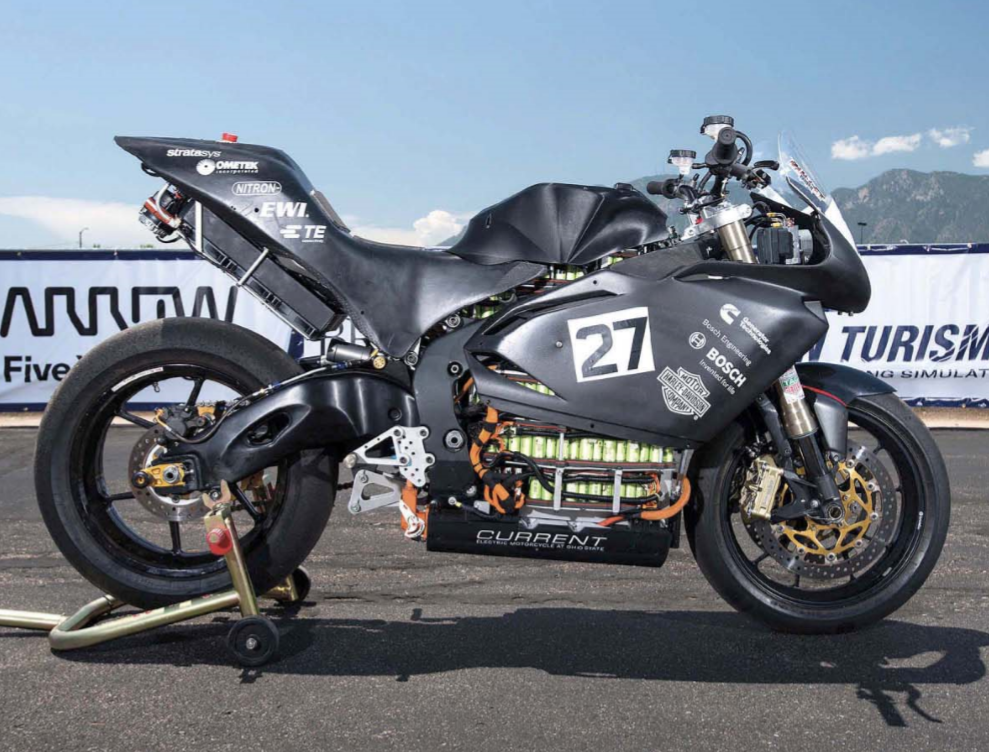
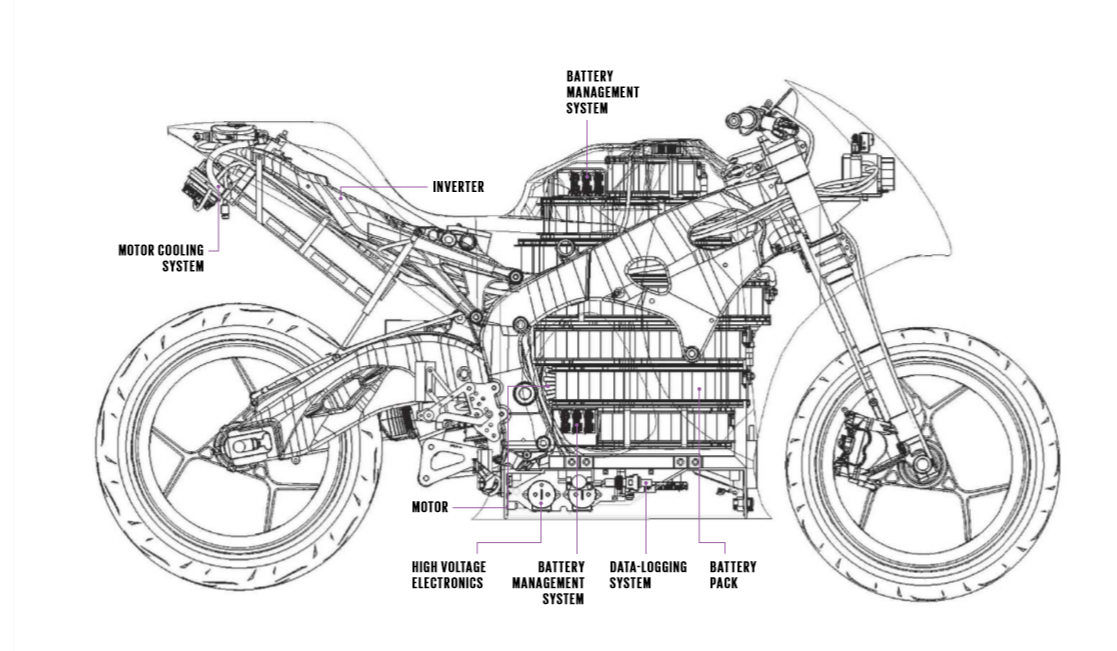
Transportation systems from flight to automobiles increasingly use embedded systems. New airplanes contain advanced avionics such as inertial guidance systems and GPS receivers that also have considerable safety requirements. Various electric motors — brushless DC motors, induction motors and DC motors — are using electric/electronic motor controllers. Automobiles, electric vehicles, and hybrid vehicles are increasingly using embedded systems to maximize efficiency and reduce pollution. Other automotive safety systems include anti-lock braking system (ABS), Electronic Stability Control (ESC/ESP), traction control (TCS) and automatic four-wheel drive.
Medical equipment is continuing to advance with more embedded systems for vital signs monitoring, electronic stethoscopes for amplifying sounds, and various medical imaging (PET, SPECT, CT, MRI) for non-invasive internal inspections.[3](Notes: Positron emission tomography - computed tomography, better known by its acronym PET-CT, is a medical imaging device. Single-photon emission computed tomography-SPECT, or less commonly, SPET, is a nuclear medicine tomographic imaging technique using gamma rays)
Embedded systems are especially suited for use in transportation, fire safety, safety and security, medical applications and life critical systems as these systems can be isolated from hacking and thus be more reliable. For fire safety, the systems can be designed to have greater ability to handle higher temperatures and continue to operate. In dealing with security, the embedded systems can be self-sufficient and be able to deal with cut electrical and communication systems.
In addition to commonly described embedded systems based on small computers, a new class of miniature wireless devices called motes are quickly gaining popularity as the field of wireless sensor networking rises. Wireless sensor networking, WSN, makes use of miniaturization made possible by advanced IC design to couple full wireless subsystems to sophisticated sensors, enabling people and companies to measure a myriad of things in the physical world and act on this information through IT monitoring and control systems. These motes are completely self contained, and will typically run off a battery source for many years before the batteries need to be changed or charged.
WORDS AND PHRASES
subcomponent 子分量,子部件,亚成分
router 路由器
thermostat 恒温控制器,温度调节装置
avionics 航空电子设备,航空电子学,航空电子技术
real-time computing 实时计算:根据某种应用情况,如何在一种可被接受的最优性和可预期性的时限约束下,获得最终结果。
air traffic control 空中交通管制
mainframe computers 大型计算机,主机电脑
stationary installation 固定装置
nuclear power plant 核电站
telephone switches 电话交换机
personal digital assistants (PDAs) 个人数字助理
videogame console 视频游戏控制台
inertial guidance systems 惯性制导系统
GPS 全球定位系统(Global Position System)
induction motors 感应电机
hybrid vehicles 混合驱动汽车
anti-lock braking system (ABS)防抱死制动系统
traction control (TCS) 牵引力控制
electronic stethoscope电子听诊器
medical imaging 医学影像学
single-photon emission computed tomography 单光子放射断层造影
wireless sensor networking 无线传感器网络
NOTES
[1] Moreover, even systems that do not expose programmability as a primary feature generally need to support software updates.
而且,即使不把可编程性作为一个主要的特征的系统通常也需要支持软件的更新。
[2] On a continuum from "general purpose" to "embedded", large application systems will have subcomponents at most points even if the system as a whole is "designed to perform one or a few dedicated functions", and is thus appropriate to call "embedded".
在一个从“通用目的”到“嵌入式” 连续体上,就算是作为一个整体的、“被设计用来完成一个或几个专用功能”大型应用系统在大多数点有子部件,因此被称为“嵌入式”是恰当的。
[3] Medical equipment is continuing to advance with more embedded systems for vital signs monitoring, electronic stethoscopes for amplifying sounds, and various medical imaging (PET, SPECT, CT, MRI) for non-invasive internal inspections.
医疗设备随着更多的用于生命迹象监测、可放大声音的电子听诊器、以及无伤害的体内检查的各种医学图像(PET, SPECT, CT, MRI)的嵌入式系统而持续进步。