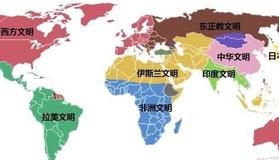
西方文明史

冯新艳

目录

  • 1 Course Orientation
    • 1.1 课程简介及目标
    • 1.2 课程考核
  • 2 About Critical Thinking
    • 2.1 About Critical Thinking
    • 2.2 How Human Mind Functions
    • 2.3 Are You a Naïve or Selfish Thinker
    • 2.4 Be Aware of Pathologies of Thought
    • 2.5 How to be Fair-minded
    • 2.6 How to Evaluate Thinking
    • 2.7 How to Analyze Thinking
    • 2.8 Tools for Critical Thinking
    • 2.9 Inferences and Assumptions
    • 2.10 Emotion and Reason
    • 2.11 Types of Questions-1
    • 2.12 Types of Questions-2
    • 2.13 Questions for self-development
    • 2.14 Fallacies
    • 2.15 Overview of Critical Thinking
  • 3 The First Civilizations
    • 3.1 第一周PPT
    • 3.2 第一周预习作业:Mesopotamia
    • 3.3 第二周PPT
    • 3.4 Video about GUNS, GEMS AND STEEL
    • 3.5 Video about ancient Egypt
    • 3.6 第1次-上课视频及课件
    • 3.7 第2次-上课视频及课件
  • 4 Greek Period
    • 4.1 第二周预习作业:Dark Age
    • 4.2 第三周PPT
    • 4.3 Aegean Civilizations
    • 4.4 Evidence of Homer
    • 4.5 第3次-上课视频及课件
    • 4.6 第三周预习作业
    • 4.7 第四周PPT
    • 4.8 Gods in Greece
    • 4.9 Path to Democracy
    • 4.10 第4次-上课视频及课件
    • 4.11 第四周预习作业:About philosophy
    • 4.12 第五周PPT
    • 4.13 Athenian Drama
    • 4.14 Plato and Stoics
    • 4.15 第5次-上课视频及课件
    • 4.16 第五周预习作业 (Reading)
    • 4.17 第六周PPT
    • 4.18 第6次-上课视频及课件
    • 4.19 古希腊文明综合测验
  • 5 古罗马文明
    • 5.1 第六周预习作业:Rome
    • 5.2 第七周PPT
    • 5.3 The Twelve Tables
    • 5.4 Poets in Augustus's Period
    • 5.5 第7次-上课视频及课件
    • 5.6 第七周预习作业:Roman Empire
    • 5.7 第八周PPT
    • 5.8 Pompeii in Italy
    • 5.9 第8次-上课视频及课件
    • 5.10 第八周预习作业:Christianity
    • 5.11 Development of Christianity
    • 5.12 第九周PPT-1
    • 5.13 Summary about Ancient Rome
    • 5.14 古罗马文明综合测验
  • 6 Middle Ages
    • 6.1 第9次-上课视频及课件
    • 6.2 第九周PPT-2
    • 6.3 第九周预习作业:Feudalism
    • 6.4 第十周PPT
    • 6.5 The manorial System
    • 6.6 Christianity in Middle Ages
    • 6.7 第10次-上课视频及课件
    • 6.8 第十周预习作业:Saints
    • 6.9 第十一周PPT
    • 6.10 Video:Knights
    • 6.11 Video:Knighthood
    • 6.12 Reading Comprehension
    • 6.13 第11次-上课视频及课件
    • 6.14 第12次-1-上课视频及课件
    • 6.15 第十二周PPT
    • 6.16 中世纪文明综合测验
  • 7 Threshold of a New Age
    • 7.1 第十一周预习作业:Renaissance
    • 7.2 Video: Renaissance
    • 7.3 第12次-2-上课视频及课件
    • 7.4 第十二周预习:Reformation
    • 7.5 第十三周PPT
    • 7.6 Video:Age of Explorations
    • 7.7 第13次-上课视频及课件
    • 7.8 第十三周预习: Science
    • 7.9 第十四周PPT
    • 7.10 Video:The Enlightenment
    • 7.11 第14次-上课视频及课件
    • 7.12 教学反馈问卷
  • 8 期末考试
    • 8.1 期末考试须知
  • 9 调整淘汰部分
    • 9.1 写作任务须知
About Critical Thinking
  • 1 Read for&nbs...
  • 2 Read for&nbs...

TIPS:

  • 建议思考题答案初稿写在你的“课程笔记本”上。

  • 你可以选择抄写题目在笔记本上后再回答,也可以直接标注题号后回答。

  • 此节答案均可在阅读材料中找到,不提供参考答案,建议同学们相互借鉴。

  • 本学期所有有关Critical Thinking的思考题均会进入Quiz的题目来源库。

  • 本节有3份阅读材料,请先看题,然后带着问题阅读理解即可。读完后请尝试用1-2句话概述每份材料的要义。


"The only capacity we can use to learn is human thinking. If we think well while learning, we learn well. If we think poorly while learning, we learn poorly."

Without critical thinking guiding the process of learning, rote memorization becomes the primary recourse, with students forgetting at about the same rate they are learning and rarely, if ever, internalizing powerful ideas.


Material 1- What is Critical Thinking


Material 2-What is the Logic of History & How to Think Historically

Q2-1: (Read and decide True or False) 

 All thinking is defined by the eight elements that make it up. In other words, whenever we think, we think for a purpose within apoint of view based on assumptions leading to implications and consequences. We use concepts, ideas and theories to interpret data, facts, and experiences inorder to answer questions, solve problems, and resolve issues.


Q2-2: (Read and decide True of False) 

  Like historical narratives themselves, our understanding of what history is and the shape it should take is flexible and open to debate. For as long as people have studied history, historians have presented different ideas about how the past should be studied, constructed,written and interpreted.