
Nursing diagnoses for postoperative client focus on a wide variety of actual, potential, and collaborative problems, of which the most common are Impaired Skin Integrity and Risk for infection. Some major client outcomes after surgery include maintaining comfort, healing, achieving wellness and avoiding complications. Pain is usually greatest 12 to 36 hours after surgery, decreasing after the second or third postoperative day. Nurses can provide non-pharmacologic measures in addition to prescribed analgesia, ensuring the client is warm and providing back rubs, position changes, and adjunctive measures. Nurses should encourage clients to do deep-breathing and coughing exercises hourly, or at least every 2 hours. During waking hours for the first few days, nurses should assist clients to a sitting position in bed. Nurses can splint the incision for the client to reduce discomfort, encouraging the client to turn from side to side at least every 2 hours and the client should ambulate as soon as possible after surgery in accordance with the surgeon's orders because early ambulation prevents respiratory, circulatory, urinary, and gastrointestinal complications. When oral intake is permitted, nurses initially offer only small sips of water. Nurses should measure the client's fluid intake and output for at least 2 days or until fluid balance is stable without an intravenous infusion. Depending on the extent of surgery and the organs involved, the client may be allowed nothing by mouth (NPO)for several days or may be able to resume oral intake when nausea is no longer present. When"diet as tolerated"is ordered, the nurse should offer clear liquids first. If the client tolerates these with no nausea, the diet can often progress to full liquids and then to a regular diet. Bowel sounds should be carefully assessed every 4 to 6 hours and nurses must observe the client's tolerance of the food and fluids ingested, noting and reporting the passage of flatus or abdominal distention. Last but not least ,nurses should provide measures that promote urinary elimination, ensuring that fluid intake is adequate and reporting to surgeons if a client does not vomit within 8 hours following surgery.
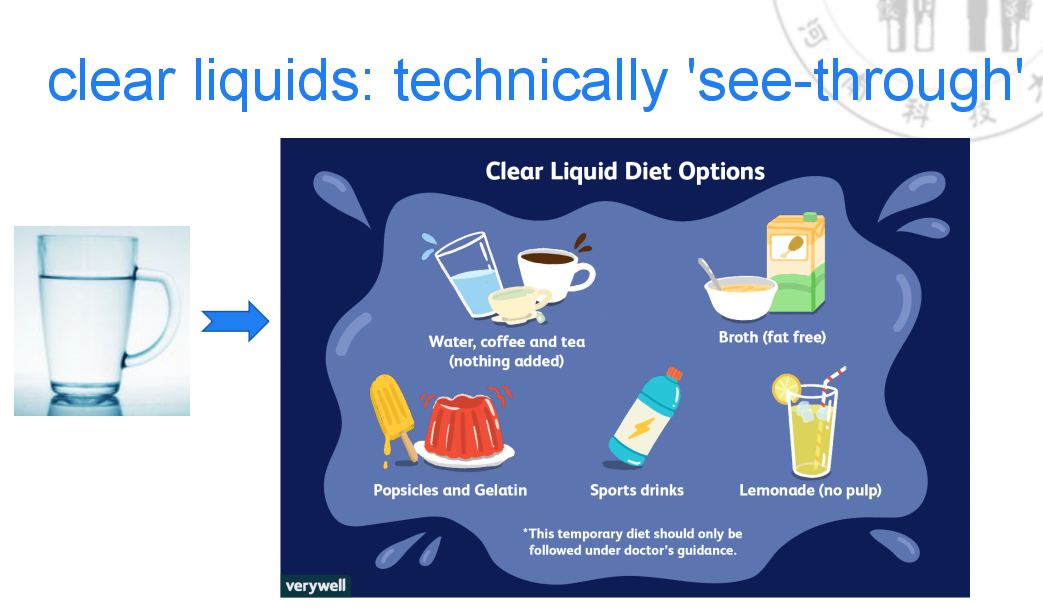
术后护理诊断内容比较广,包括:已有的、潜在的和合并出现的问题,其中,最常见的是“皮肤完整性受损”和“有感染的危险”。术后,患者的预期结果有:保持心情的舒畅、伤口的愈合、恢复健康和避免并发症。术后12~36小时内,疼痛常常是最剧烈的,术后第二天或第三天,疼痛会得到缓解。护士除了为患者提供医生所开的镇痛药以外,可以采用一些非药物措施来缓解疼痛,例如确保患者身体的温暖、帮患者擦背、改变体位和其他辅助措施。护士应该帮助他们半坐卧位,并鼓励患者每小时做一次深呼吸运动和咳嗽练习,或者至少每2小时做一次。在术后最初几天,患者清醒时,为减轻痛苦,护士要为患者固定好切口,并鼓励患者至少每两小时翻身一次。患者术后应该按照医嘱尽快下床活动,这有助于预防呼吸系统、循环系统、泌尿系统和胃肠道并发症的出现。当患者可以进食时,刚开始,护士只能给予少量清水。护士应该监测患者的液体输入量和 排泄量至少两天,直到患者在不需要输液的情况下体内的液体平衡稳定后,才停止监测。患者可能需要禁食几天,这要根据手术的范围和所涉及的器官而定。当患者不再出现恶心,才允许进食。当医嘱说“患者可进食”,护士首先应该给予清液饮食;如果患者饮食后没有出现恶心,就可以提供浓稠一点的流质食物,直至正常的食物。护士应该每4~6小时认真监测一次患者的肠鸣音;观察患者的进食情况;观察并汇报患者的排气和腹胀 情况。最重要的是,护士应该为患者提供有助于排尿的一些用具,同时确保液体的输入量充足,如果患者在术后8小时内没有呕吐,护士应该将有关情况汇报给医生。

