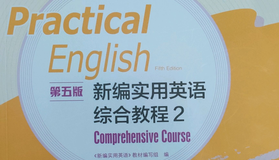
大学英语2

张新斌

目录

  • 1 Before New Class
    • 1.1 The Spring Festival
  • 2 Unit 1 Accommodation
    • 2.1 Section I Talking face to face(2 periods)
      • 2.1.1 Section I--Minitalks
      • 2.1.2 Section I--Studying Hotel Ads
      • 2.1.3 Section I--Dialogues
      • 2.1.4 Section I--Put Language to Use
    • 2.2 Section II Being your ears(1 period)
    • 2.3 Section III Trying your hand(2 periods)
    • 2.4 Section IV Maintaining a sharp Eye (3 periods)
      • 2.4.1 Section IV--Passage I
      • 2.4.2 Section IV--Passage II
    • 2.5 A Quiz of Unit 1
  • 3 Unit 2 Food
    • 3.1 Section I Talking face to face(3 periods)
      • 3.1.1 Section I--Minitalks
      • 3.1.2 Section I--Studying Menus
      • 3.1.3 Section I--Dialogues
      • 3.1.4 Section I--Put Language to Use
    • 3.2 Section II Being your ears
    • 3.3 Section III Trying your hand (2 periods)
    • 3.4 Section IV Maintaining a sharp Eye (3 periods)
      • 3.4.1 Section IV--Passage I
      • 3.4.2 Section IV--Passage II
    • 3.5 A Quiz of Unit 2
  • 4 Unit 4 Invitation Etiquette
    • 4.1 Unit Goals
    • 4.2 Section I Talking Face to Face
      • 4.2.1 Section I--Minitalks
      • 4.2.2 Section I--Studying Invitation Cards and Letters
      • 4.2.3 Section I Dialogues
    • 4.3 Section II Being all Ears
    • 4.4 Section III Trying your hand
    • 4.5 Section IV Maintaining a sharp Eye
      • 4.5.1 Section IV--Passage I
      • 4.5.2 Section IV--Passage II
    • 4.6 English for Teachers of Preschool Education
    • 4.7 A Quiz of Unit 4
  • 5 Unit 5 Cyber
    • 5.1 Unit Goals
    • 5.2 Section I Talking Face to Face
      • 5.2.1 Section I--Minitalks
      • 5.2.2 Section I--Studying Email Information
      • 5.2.3 Section I--Dialogues
    • 5.3 Section II Being all Ears
    • 5.4 Section III Trying your hand
    • 5.5 Section IV Maintaining a sharp Eye
      • 5.5.1 Section IV--Passage I
      • 5.5.2 Section IV--Passage II
    • 5.6 A Quiz of Unit 5
  • 6 Unit 6 Shopping
    • 6.1 Section I Talking face to face
      • 6.1.1 Section I--Minitalks
      • 6.1.2 Section I--Studying Shopping and Travel Ads
      • 6.1.3 Section I--Dialogues
      • 6.1.4 Section I- Put Language to Use.
    • 6.2 Section II Being your ears
    • 6.3 Section III Trying your hand (2 periods)
    • 6.4 Section IV Maintaining a sharp Eye (3 periods)
      • 6.4.1 Section IV--Passage I
      • 6.4.2 Section IV--Passage II
    • 6.5 A Quiz of Unit 6
  • 7 Unit 8 Applying for a Job
    • 7.1 Section I Talking face to face (3 periods)
      • 7.1.1 Section I--Minitalks
      • 7.1.2 Section I--Studying Job Advertisements
      • 7.1.3 Section I--Dialogues
      • 7.1.4 Section I--Put Language to Use
    • 7.2 Section II Being your ears
    • 7.3 Section III Trying your hand (2 periods)
    • 7.4 Section IV Maintaining a sharp Eye (3 periods)
      • 7.4.1 Section IV--Passage I
      • 7.4.2 Section IV--Passage II
Section IV Maintaining a sharp Eye (3 periods)

Information Related to Passage I

1. Kinds of hotels in the United States:

    Places to stay for ashort time may be called hotels, hostels, motels or motor hotels, inns, lodgesor resorts. Hostels, also referred to as youth hostels, are often for studentsworking away from home. Motels have plenty of parking space and are usuallynear a freeway or highway. Inns are usually like motels. Lodges and resorts, orresorts hotels, are in the mountains, on the coast, or near lakes.


2. Kinds of beds:

    Beds go by manydifferent names. Starting with the smallest, there are single, twin, double,queen and king size ones. “Long boys” are for exceptionally tall people. Atsome hotels, queen beds are the smallest size used, so a double room has two ofthem. Some hotels even offer their guests waterbeds. A rollaway can be movedinto a room to sleep an extra person. Hide-a-beds are sofas that fold out to make beds.


Information Related to Passage II

Description of a hotel survey

    A hotel surveyincludes customer satisfaction with the Front Desk, Guest Services, Guest Room/ Bath, Room Service, Restaurant, Lounge, and an overall rating.