管理英语

张捷

目录

  • 1 Guide to this course
    • 1.1 About the course
    • 1.2 Textbook (PDF) and audio materials
    • 1.3 Getting ready for your group presentation
      • 1.3.1 How to make a presentation
      • 1.3.2 Oral Assignment: Who's who?
  • 2 Unit 1 Who is who?
    • 2.1 Textbook (Unit 1)
    • 2.2 The story so far
    • 2.3 Business focus
      • 2.3.1 Company organigrams
      • 2.3.2 Organigram of Bergerbild AG
    • 2.4 Business language
      • 2.4.1 Using the phone (Basic)
      • 2.4.2 Using the phone (Level-up)
    • 2.5 Cross-cultural focus
    • 2.6 Revision tasks
    • 2.7 Group presentation
    • 2.8 Design thinking
  • 3 Unit 2 Project finances
    • 3.1 Textbook (Unit 2)
    • 3.2 Prevision tasks
    • 3.3 The story so far and Episode 2
    • 3.4 Business language
      • 3.4.1 Tips on keeping talking
      • 3.4.2 Talking about the past
    • 3.5 Writing your resume
      • 3.5.1 Functional resume
      • 3.5.2 What else goes with resume
      • 3.5.3 Cross-cultural focus
      • 3.5.4 Action verbs used in CVs
      • 3.5.5 Examples of resumes
      • 3.5.6 Examples of cover letters and thank-you notes
      • 3.5.7 Assignment
    • 3.6 Group presentation
    • 3.7 Business Focus
    • 3.8 Revision
  • 4 Unit 3 Project management
    • 4.1 Textbook (Unit 3)
    • 4.2 Prevision tasks
      • 4.2.1 The story so far and Episode 3
      • 4.2.2 Prevision tasks on business vocabulary
      • 4.2.3 Managing a project
    • 4.3 Business language
      • 4.3.1 Vocabulary
      • 4.3.2 One PM skill:CPM
      • 4.3.3 Group presentation
    • 4.4 Cross-cultural focus: Meeting
      • 4.4.1 Templates for meeting minutes
      • 4.4.2 Video clips of meetings
      • 4.4.3 Link to TV program "The Shining Line"
    • 4.5 Assignments
      • 4.5.1 Assignments for meeting minutes
      • 4.5.2 Assignment 1
      • 4.5.3 Assignment 2
    • 4.6 Revision
    • 4.7 Group Presentation
  • 5 Unit 4 Email ego
    • 5.1 Textbook (Unit 4)
    • 5.2 Prevision: The story so far
    • 5.3 Business focus: Email
    • 5.4 Group presentation
    • 5.5 Giving feedback
    • 5.6 Apologising
    • 5.7 Simulation
    • 5.8 Revision
  • 6 Unit 5 Sorting it out
    • 6.1 Textbook (Unit 5)
    • 6.2 Prevision tasks (The story so far)
    • 6.3 Cross-cultural focus: attitudes to time
    • 6.4 Business focus: Writing reports
      • 6.4.1 Prevision tasks
      • 6.4.2 How to write a business report
      • 6.4.3 Feedback to the written practices
    • 6.5 Group presentation
    • 6.6 Self-study:How to use computer
    • 6.7 Revision
  • 7 Unit 6 Negotiations on site
    • 7.1 Textbook (Unit 6)
    • 7.2 Prevision tasks
    • 7.3 The story so far
    • 7.4 Cross-cultual focus
    • 7.5 Group presentation
    • 7.6 Business focus: Negotiation
    • 7.7 Revision
  • 8 Unit 7 Socializing
    • 8.1 Textbook (Unit 7)
    • 8.2 Prevision tasks
    • 8.3 The story so far
    • 8.4 Business focus: Menu ordering
    • 8.5 Cross-cultural focus: Small talk = big business
    • 8.6 Assignments
    • 8.7 Revision
    • 8.8 Group Presentation
  • 9 Unit 8 Dangerous assumptions
    • 9.1 Textbook (Unit 8)
    • 9.2 Prevision tasks
    • 9.3 The story so far
    • 9.4 Business focus: Assumptions
      • 9.4.1 Whistleblower
      • 9.4.2 Risk management:Solution 1
      • 9.4.3 Risk management:Solution 2
    • 9.5 Business language: How to express assumptions
    • 9.6 Advertising
      • 9.6.1 Group presentation
    • 9.7 Revision
  • 10 Unit 9 1 + 1 = ?
    • 10.1 Textbook for Unit 9
    • 10.2 Prevision tasks
    • 10.3 The story so far
    • 10.4 Language focus: Idiomatic expressions
    • 10.5 Revision
  • 11 Unit 10 Finale of the story
    • 11.1 Textbook for Unit 10
    • 11.2 The story so far
    • 11.3 Presentations
  • 12 Course revision
    • 12.1 Revision (Outline)
    • 12.2 Revision (Writing)
    • 12.3 Revision (Storyline)
Design thinking

Prevision tasks for Design Thinking

I. Here are two case studies on page 9 in the textbook:
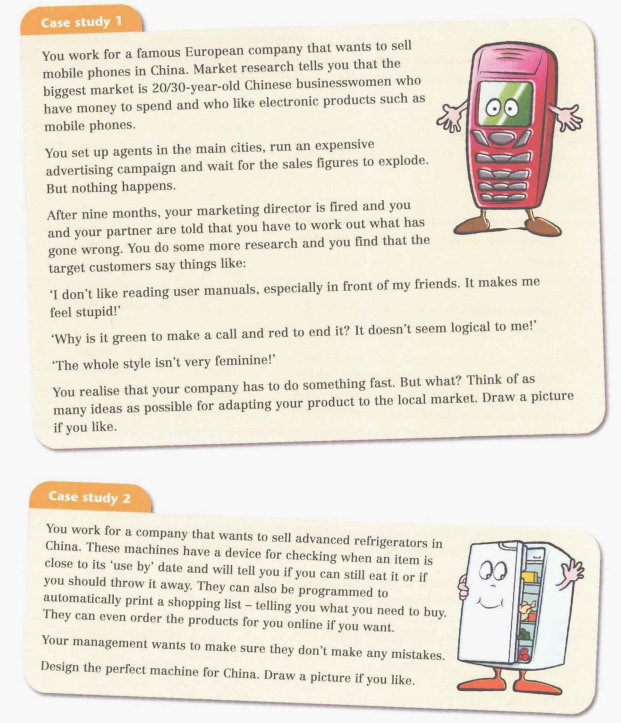

II. Prevision tasks for design thinking:

A.Each group need to fulfull the following tasks:

1) What is Design thinking?

2) Why do we need to learn design thinking?

3) Each group think about a new idea to work on as your project. (You are not confined to the two study cases mentioned above which are only examples of what you can probably do. Please work together with your teammates to decide what you want to improve or change. It can be a product or a service.)

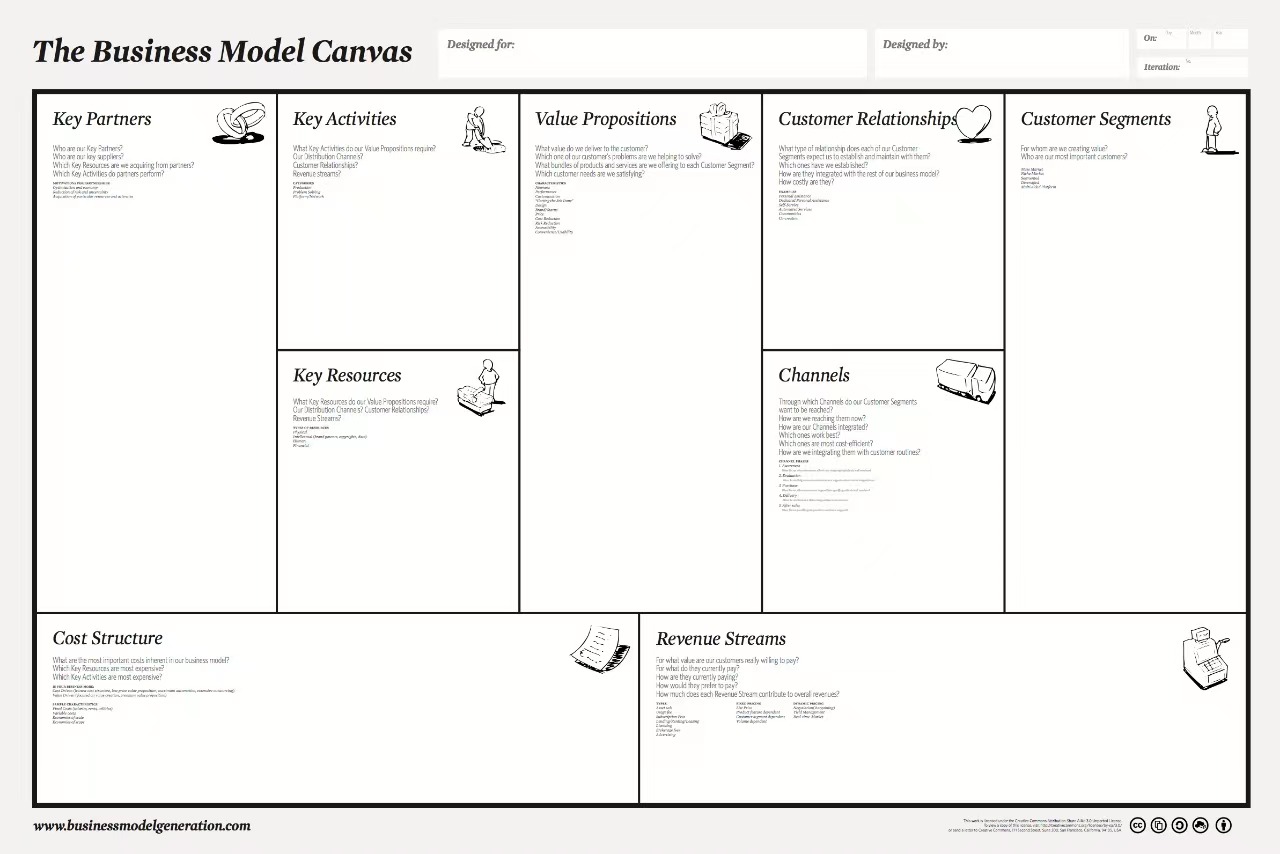
4) What is business model canvas (BMC) and why is it important?


   B. Here are some useful links:

1. What is Design Thinking? | IxDF (interaction-design.org)

      https://www.interaction-design.org/literature/topics/design-thinking

2. What is a Business Model Canvas? (Quick Guide and Examples) (slidemodel.com)

      https://vslidemodel.com/business-model-canvas/


        C. If the links don't work, the following materials may be useful:

1. What is Design Thinking?

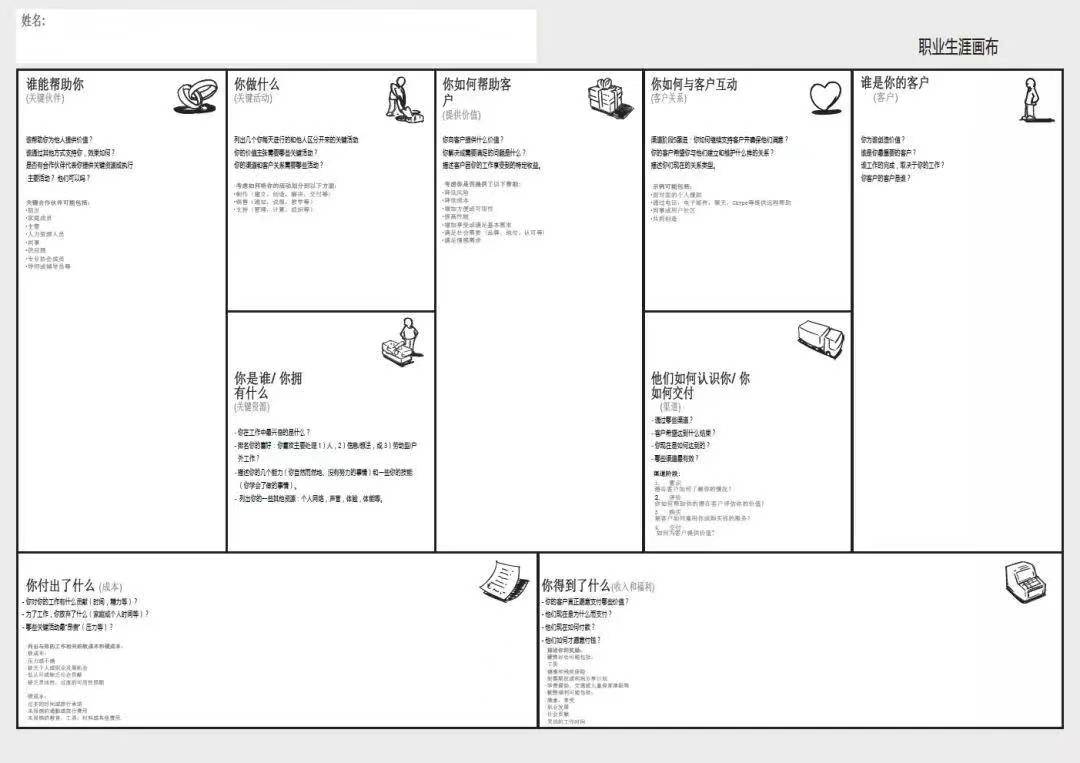
2. What is BMC?

3. BMC examples:


        D. Video clips:

1) What is design thinking?

2) TED talk: Tim Brown: Designers---think big!


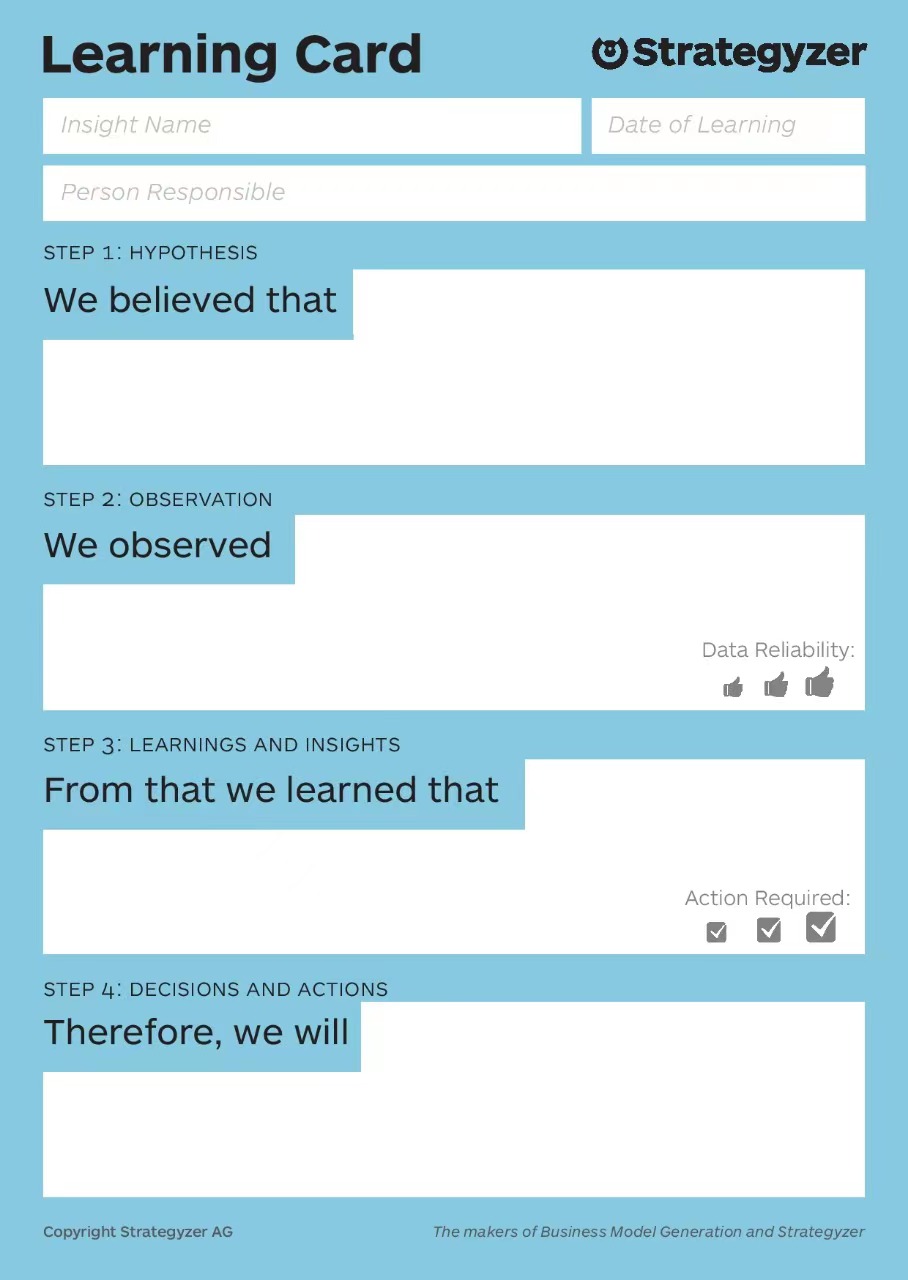
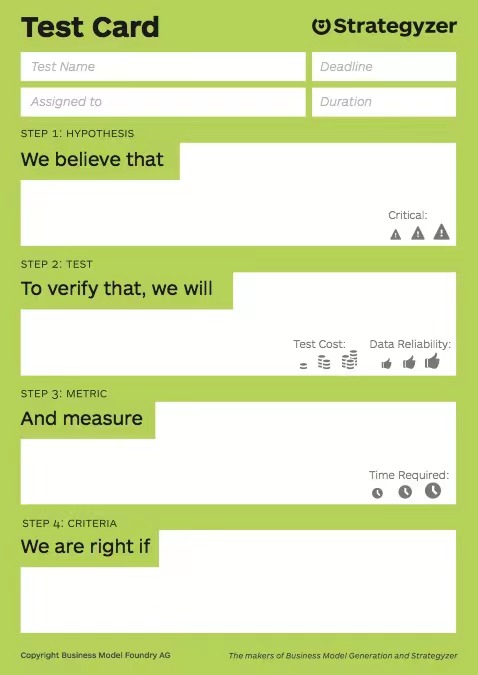
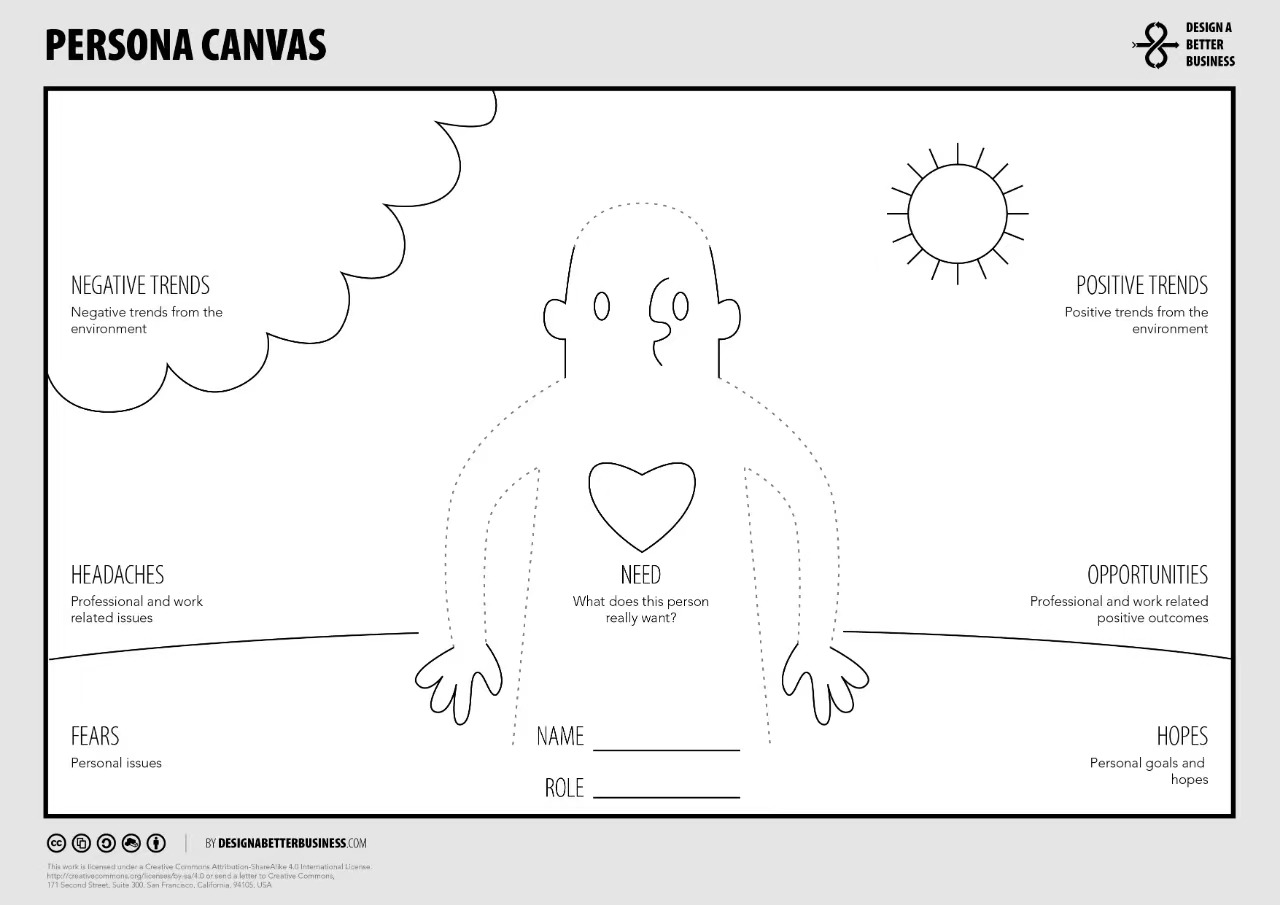
III. Cards for class activities. (Don't need to type them.)