Unit 14
America in Transition
I have always believed that there was some divine plan that placed this great continent between two oceans to be sought out by those who were possessed of an abiding love of freedom and a special kind of courage.
---California Governor Ronald Reagan, 1974
我一直相信,有某种神圣的计划把这个伟大的大陆置于两大洋之间,让那些具有对自由始终不渝的热爱和特殊勇气的人去寻找。
——加州州长罗纳德·里根,1974年
Unit Goals
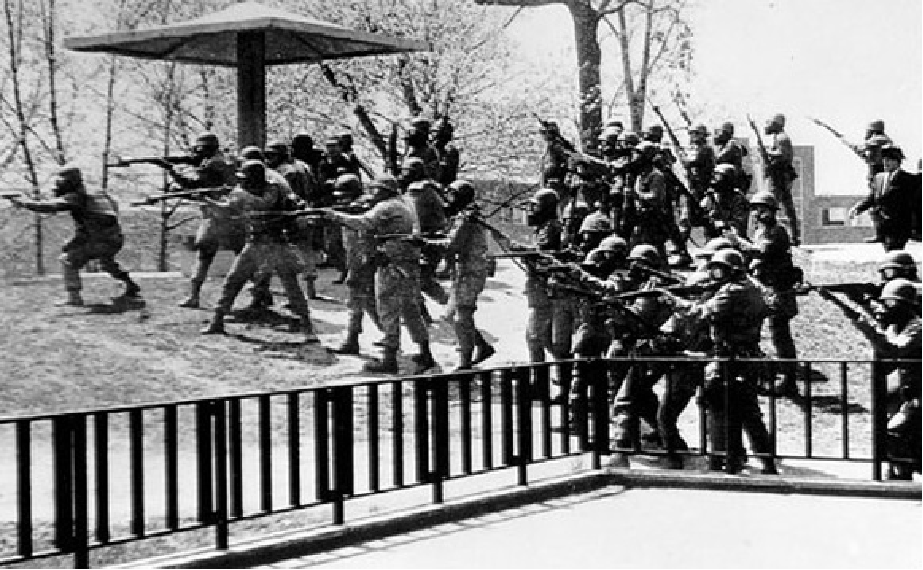
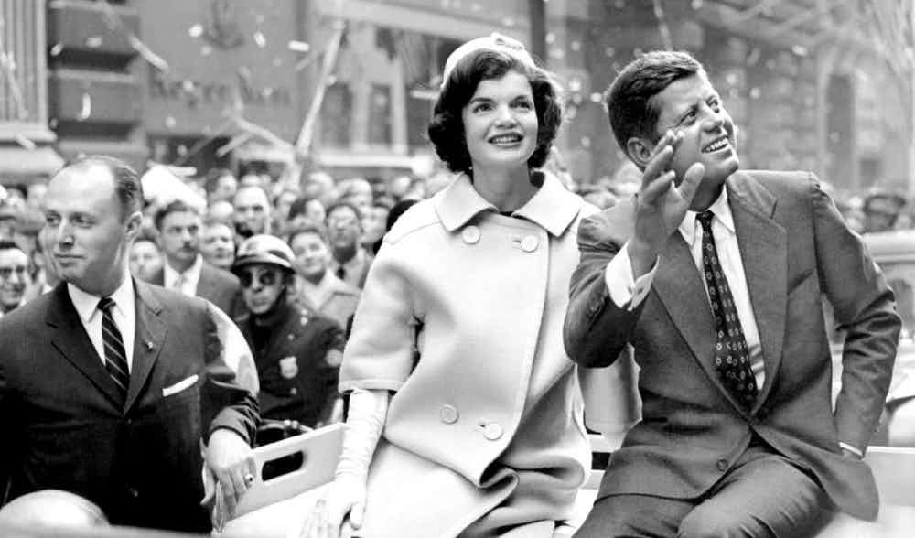
* To be familiar with the major changes of America in the 1960s.
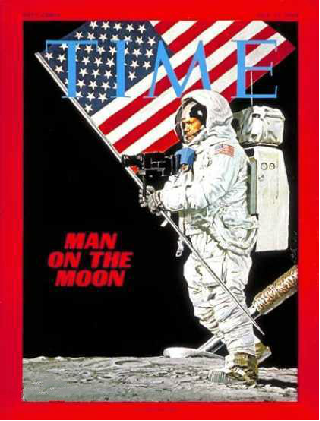
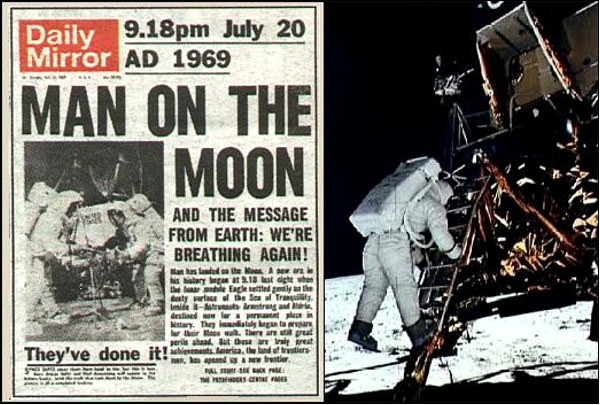
*To know the significant events and people in the 1970s.
*Tolearn the historical terms that describe the Women's Liberation
Movement, Cuba Missile Crisis and the Space Race.
*To learn the important words and expressions that describe America
in the 1960s and the 1970s.
*To improve English language skills.
Before You Read
1. Examine each of the following items and decide whether it can be
associated with America the 1960s. If yes, put a tick“√” right to
the item. Discuss and define these items with your partner.
Items | YES/NO | Your Definition |
Sit-ins | ||
Baby Boom | ||
Martin Luther King | ||
John F. Kennedy | ||
The Cuban Missile Crisis | ||
Hippics | ||
The Beatles |
2. The 1964 Civil Rights Act outlawed gender discrimination. At the
time, few Americans understood the significance of that small
provision of the landmark law or foresaw the ways in which a
massive, grassroots women’s movement would transform women's
roles and rights in the last few years of the twentieth century.
Discuss the following questions with your partner and summarize
your points in phrases.
(1) If women’s choices have expanded, have the pressures on
women also grown greater?
_________________________________________________ _________________________________________________
(2) What inequalities between women and men remain?
_____________________________________________________ _____________________________________________________
(3) How does race affect women's lives?
_____________________________________________________ _____________________________________________________
4) How has the women's movement changed men's lives?
_____________________________________________________ _____________________________________________________
3. Form groups of three or four students, Try to find, on the
Internet or in the library, more information about America from
the 1960s to the 1970s which interests you most. Prepare a 5-
minute classroom presentation.
Start to Read
Text A America in the 1960s
1. The sixties were the age of youth, as 70 million children from the post-war baby boom became teenagers and young adults. The movement away from the conservative fifties continued and eventually resulted in revolutionary ways of thinking and real change in the cultural fabric of American life. No longer content to be images of the generation ahead of them, young people wanted change. The changes affected education, values, lifestyles, laws, and entertainment. Many of the revolutionary ideas which began in the sixties are continuing to evolve today.
The Watts Riots In 1965, Los Angeles
2. The Civil Rights movement made great changes in society in the 1960s. The movement began peacefully, with Martin Luther King and Stokely Carmichael leading sit-ins and peaceful protests, joined by whites, particularly Jews. In 1965, the Watts riots broke out in Los Angeles. This large-scale race riot lasted 6 days in the Watts neighborhood of Los Angeles, California, in August 1965. By the time the riot subsided, 34 people had been killed, 1,032 injured, and 3,952 arrested.
3. The term “blacks” became socially acceptable, replacing “Negroes”. The number of Hispanic Americans tripled during the decade and became recognized as an oppressed minority. American Indians, facing unemployment rates of 50% and a life expectancy only two-thirds that of whites, began to assert themselves in the courts and in violent protests .
4. The Civil Rights Act of 1964 was amended to include gender. The birth control pill became widely available and abortion for cause was legalized in Colorado in 1967. In1967, both abortion and artificial insemination became legal in some states.
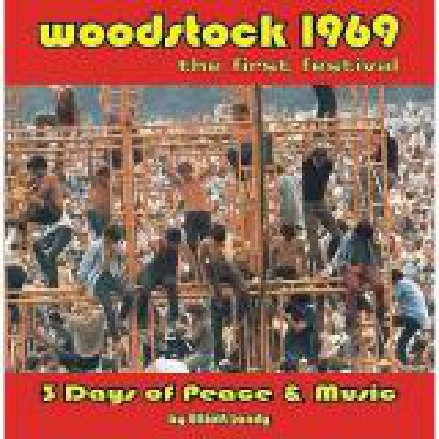
5. As the 1960s progressed, respect for authority declined among the youth, and crime rates soared to nine times the rate of the 1950s. Marijuana use soared. The hippie movement endorsed drugs, rock music, mystic religions and sexual freedom. They opposed violence. The Woodstock Festival at which 400,000 young people gathered in a spirit of love and sharing, represents the pinnacle of the hippie movement.
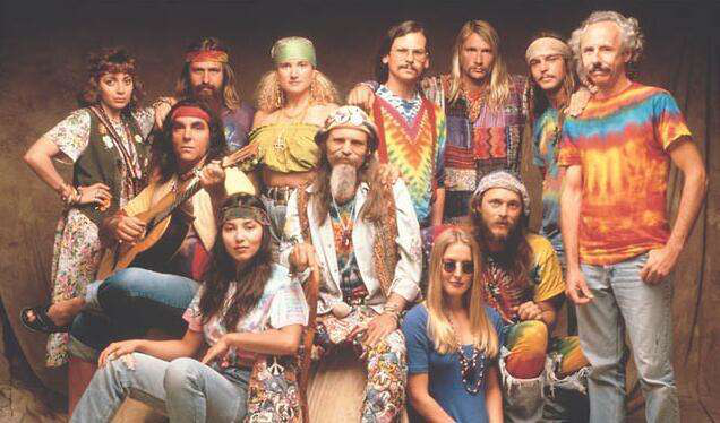
Typical Hippie image
6. When Fidel Castro, soon after overtaking Cuba, declared that he was a communist, the United States broke off diplomatic relations with Cuba. Castro seized American property. The CIA attacked Cuba in an ill--fated mission at the Bay of Pigs. In 1962, a spy plane identified long range missiles in Cuba. President John F. Kennedy readied troops to invade Cuba, and the Soviet Union prepared to fire at U. S. cities if Americans made a move.
7. John F. Kennedy was young and charismatic, and his brief reign as president was often called “Camelot”. He was assassinated in 1963. His Vice President, Lyndon B. Johnson became president, and was reelected the following year. To prevent communist North Vietnam from overtaking South Vietnam, the United States sent military advisors and then soldiers. It was largely a secret war until 1965, when massive troop buildups were ordered to put an end to the conflict. The draft was accelerated and anti-war sentiment grew in the U. S. College. Students organized anti-war protests, draft dodgers fled to Canada, and there were reports of soldiers that reflected the growing disrespect for authority, shooting their officers rather than follow orders. Johnson, blamed by many for the war and the racial unrest in the country, did not run for reelection in 1968. John Kennedy's brother, Robert campaigned for the nomination for President and he, too was killed.
Kennedy And His Wife Jacqueline Kennedy
8. The Space Race, begun by the Soviets in 1957, was highlighted by Alan Shepard, the first American in space in 1961. Neil Armstrong and Buzz Aldrin, in Apollo XI, were the first men to walk on the moon in 1969. The surgeon general determined that smoking was a health hazard, and in 1965 required cigarette manufacturers to place warnings on all packages and in all advertisements. Dr. Denton Cooley implanted the first artificial heart in a human, and it kept the patient alive for three days until a human heart could be transplanted.