
Text C The Gilded Age Society
Urbanization
The Gilded Age saw the United States shift from an agricultural to an urban, industrial society, as millions of Americans flocked to cities in the post-Civil War era. Nearly 40 percent of Americans lived in urbanized areas by 1900, as opposed to 20 percent in 1860. Many young people left the countryside in search of new wonders: cities were at the height of modernization for the time, with skyscrapers, electric trolleys, department stores,bridges, bicycles, indoor plumbing, telephones, and electric lamps. Industrialization and the rush to the cities led to the development of consumerism and a middle class.
Mass Immigration
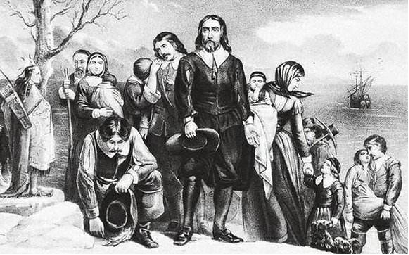
In addition to this major shift from rural to urban areas, a new wave of immigration increased America’s population significantly, especially in major cities. Immigrants came from war torn regions of southern and eastern Europe, such as Italy, Greece, Poland, Russia, Croatia, and Czechoslovakia. This new group of immigrants was poorer and less educated than the Irish and German immigrants who had made the journey to the United States earlier a in the century. By the early twentieth century, more than a million immigrants were entering eastern U.S. cities on a yearly basis. Many immigrants could barely make a living, working as unskilled laborers in factories or packinghouses for low wages.
Urban Slums
The sudden influx of millions of poor immigrants led to the formation of slums in U. S. cities. These new,city dwellers lived in tenement buildings, often with entire families living together in tiny one room apartments and sharing a single bathroom with other families on the floor. Tenements generally were dirty,poorly ventilated(通风), and poorly lit, making them a hospitable environment for rats and disease.
Black Civil Rights
In 1896,the Supreme Court upheld the policy of segregation by legalizing “separate but equal”facilities for blacks and whites. In doing so, the court condemned blacks to more than another half century of second-class citizenship.
Despite the ruling, African- American leaders of the civil rights movement continued to press for equal rights. Booker T. Washington, president of the all-black Tuskegee Institute in Alabama, rather than press for immediate social equality, encouraged blacks to become economically self-sufficient so that they could challenge whites on social issues in the future. The Harvard-educated black historian and sociologist W. E. B. Du Bois, on the other hand, ridiculed Washington's beliefs and argued that blacks should fight for immediate and more social and economic equality. This dispute between Washington and Du Bois led to the divide in the civil rights movement at the end of the nineteenth century and the question as to how blacks could most effectively pursue equality -- a debate that lasted well into the civil rights movement of the 1960s and continues today.
Questions for Discussion or Reflection
1. What made many young people in the U. S. move from rural areas to
urban areas in the U.S. during the Gilded Age? Is this happening in
China today?
2. Did the immigrants lead a comfortable life in the U. S.? What difficulties
did they have to face?
3. What do you think is the most effective way for blacks to pursue
equality?
Proper Names
Laissez faire 放任主义
Social Darwinism 社会达尔文主义
the Democrats 民主党人
the Republicans 共和党人
the Gilded Age 镀金时代
the Progressive Movement 进步主义运动
Progressivism 进步主义
Trust 托拉斯
Notes
1. Laissez faire: It was an economic practice which stressed that the management of the economy should be left to the business men and the government should merely preserve the order and protect property.
2. Mark Twain (1835- -1910): Mark Twain is the pseudonym(笔名) of Samuel Langhorne Clemens. He was one of America' s greatest nineteenth-century writers. Born in Hannibal, Missouri, he observed life along the Mississippi River and later incorporated these insights into his fiction. Clemens invested in several businesses but none prospered, and later in life he became more cynical about American society as he spoke throughout the country.
3. Social Darwinism: It adopted Darwin's theory of “survival of the fittest" to the business world, arguing competition is necessary to foster healthy economy.
4. Trust: It refers to the association of companies that illegally work together to reduce competition and control price.

