
Text B Education after the Civil War
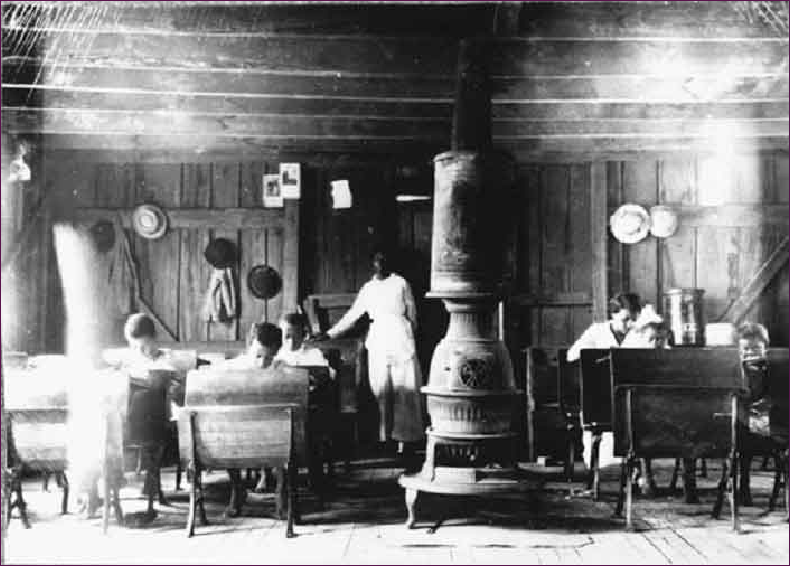
Freedmen's Bureau Schools
1. Prior to the Civil War, slave states had laws forbidding literacy for the enslaved. Thus, by emancipation, only a small percentage of African Americans knew how to read and write. There was such motivation in the African American community and enough good will among white and black teachers that the majority of African Americans could read and write by the turn of the twentieth century. Many teachers commented that their classrooms were filled with both young and old, grandfathers with their children and grandchildren, all eager to learn.
2. Some emancipated slaves quickly fled from the neighborhood of their owners, while others became wage laborers for former owners. Most importantly, African Americans could make choices for themselves about where they labored and the type of work they performed.
3. Northern teachers, many of whom were white women, traveled into the South to provide education and training for the newly freed population. Schools from the elementary level through college provided a variety of opportunities, from the rudiments(基础知识) of reading and writing and various types of basic vocational(职业技术的) training to classics, arts, and theology(神学).
4. In May, 1863, letters from teachers at St. Helena Island described their young students as“the prettiest little things you ever saw, with solemn little faces, and eyes like stars." Vacations seemed a hardship to these students, who were so anxious to improve their reading and writing that they begged not to“be punished so again. ”Voluntary contributions from various organizations aided fourteen hundred teachers in providing literacy and vocational education for 150, 000 freedmen.
Questions for Discussion or Reflection
1. What was the most impressive picture in the classroom after the Civil War?
2. How do you account for “the hunger to learn” of those emancipated slaves?
3. Why were vacations regarded as hardships by the freed men?

