
Read More
Text B The American Revolution
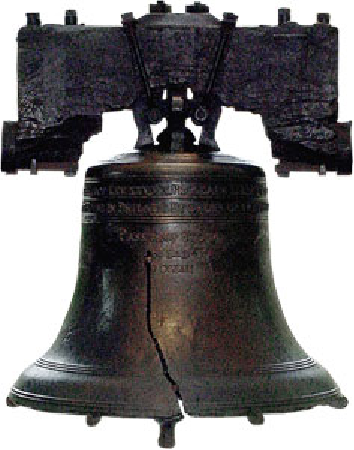
1. The American Revolution was much more than a war for national independence. It was also much more than a revolt against taxes and trade regulations.
2. The American Revolution was truly the first modern revolution. It enjoyed widespread popular support and marked the first time in history that a people fought for their independence in the name of certain universal principles of human rights and civil liberties.
3. The American Revolution touched off an “age of revolution.” Its example helped inspire revolutions across the entire western world. During the late 1700s and early 1800s, revolutions and popular uprisings erupted from the Ural Mountains in Russia to the Andes Mountains in South America: in Greece, Ireland, Italy, Mexico, Poland, Switzerland, and in many other countries. In Haiti, for the first time in history, slaves succeeded in winning their independence by force of arms. These revolutions were justified in terms of such ideas as “the rights of man” and “national independence,” principles popularized by the American Revolution.
4. What were the principles that the American revolutionaries fought for? One was popular sovereignty. The American patriots believed that all governments exist for the benefit of the governed. Whenever a government violated the peoples’ fundamental rights, they had the right to change or overthrow it.
5. Another basic principle was equality before the law. At a time when most people in the western world were ruled by kings, the American patriots rejected the idea that the people should be royal subjects. Instead, they insisted that the people should be regarded as citizens with equal rights, including the right to participate in governmental affairs.
6. A third fundamental principle was constitutional rights and rule of law. The American revolutionaries believed in natural rights – the idea that the people have certain fundamental rights that must be protected against tyrannical oppression, including the right to trial by jury, freedom of speech and conscience, and freedom from arbitrary arrest and punishment. They also believed in constitutionalism – the idea that the peoples’ rights and government’s functions and powers needed to be spelled out in a written document.
1. Questions for discussion or reflection
(1) What were the principles that the American revolutionaries fought for?
(2) Do you think the principle “equality before the law” can ensure 100% equality of the citizens in a nation? Why?
2. Fill in the blanks with words you learned in the passage above:
The American Revolution was not only a war for national _______________ or a revolt against taxes and trade _____________ but also truly the _____________ modern revolution. It __________ off an “age of revolution” and helped __________ revolution across the entire western world. The American patriots believed that all governments exist for the benefit of the ___________. They insisted that the people should be regarded as citizens with equal rights, including the right to participate in ______________ affairs. The American revolutionaries believed in natural rights and also in _____________.

