1.Lead-in discussion
Nearly all the young countries in Europe had the experience similar to the colonies. Australia is not an exception. The native in Australia suffered a lot after the European settlement.
What did the Europeans bring to the natives?
2.Key terms:
1 Barrier Reef Island
Off Australia’s east coast, it is one ofthe wonders of the natural world. It is a World Heritage listed and is one ofAustralia’s and the world’s premiere holiday destinations. The Great BarrierReef boasts glorious weather, prestine rainforest, and white sandy beaches.
2.JohnCabot
AnItalian navigator and explorer commonly credited as the first European todiscover the North American mainland, in 1497.
3.Harbour Bridge
Harbour Bridge is Sydney’s talleststructure until 1067. The dramatic view of the bridge, the harbour, and thenearby Sydney Opera House is an iconic image of both Sydney and Australia.
Extended case study
James Cook
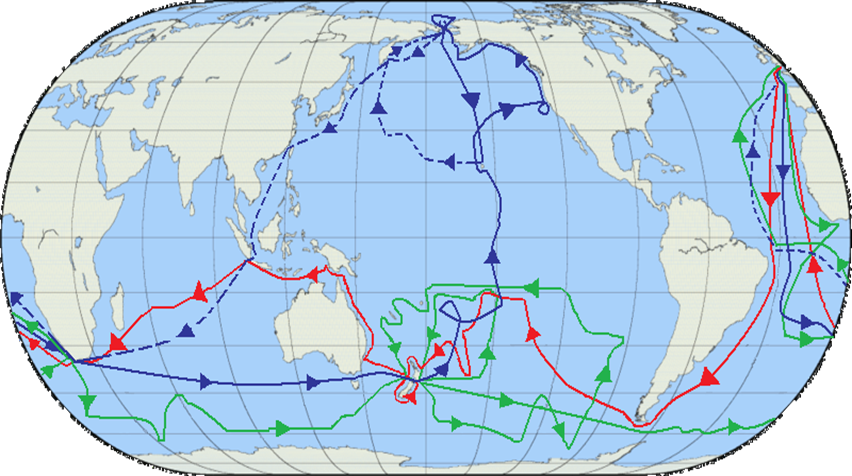
Firstvoyage (1768–71)
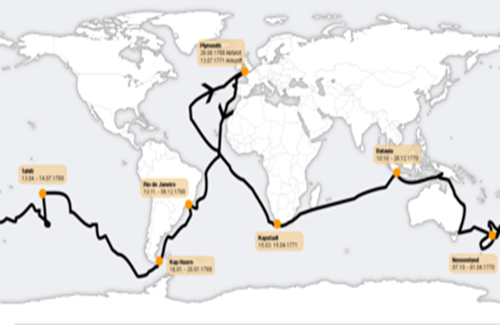
In1766, the Royal Society hired Cook to travel to the Pacific Ocean to observeand record the transit of Venus across the Sun. He sailed from England in 1768,rounded Cape Horn and continued westward across the Pacific to arrive at Tahition April 13, 1769, where the observations were to be made.
Cook later mapped the complete NewZealand coastline, making only some minor errors. He then sailed west, reachingthe south-eastern coast of the Australian continent on 19 April 1770, andbecame the first recorded Europeans to have encountered its eastern coastline.
Secondvoyage (1772–75)
Cook commanded HMS Resolutionon this voyage, while Tobias Furneaux commanded its companionship, HMS Adventure.Cook's expedition circumnavigated the globe at a very high southern latitude,becoming one of the first to cross the Antarctic Circle on January 17, 1773. Healso surveyed, mapped and took possession for Britain of South Georgia exploredby Anthony de la Roché in 1675, discovered and named Clerke Rocks and the SouthSandwich Islands ('Sandwich Land').
Thirdvoyage (1776–79)
Onhis last voyage, Cook once again commanded HMS Resolution,while Captain Charles Clerke commanded HMS Discovery.Ostensibly the voyage was planned to return Omai to Tahiti; this is what thegeneral public believed, as he had become a favourite curiosity in London.Principally the purpose of the voyage was an attempt to discover the famedNorthwest Passage. After returning Omai, Cook traveled north and in returningfrom forays on the Alaskan coast (see below) in 1778 became the first Europeanto visit the Hawaiian Islands.