Songs about British food and drinks
Extended Reading Material
A BRIEF HISTORY OF BRITISH CUISINE!
Traditional British cuisine is substantial,yet simple and wholesome. We have long believed in four meals a day. Our farehas been influenced by the traditions and tastes from different parts of theBritish empire: teas from Ceylon and chutney, kedgeree, and mulligatawny soupfrom India.
British cuisine has always beenmulticultural, eclectic styles. In ancient times influenced by the Romans andin medieval times the French. When the Frankish Normans invaded, they broughtwith them the spices of the east: cinnamon, saffron, mace, nutmeg, pepper,ginger. Sugar came to England at that time, and was considered a spice -- rareand expensive. Before the arrival of cane sugars, honey and fruit juices werethe only sweeteners. The few Medieval cookery books that remain record dishesthat use every spice in the larder, and chefs across Europe saw their task tobe the almost alchemical transformation of raw ingredients into somethingentirely new (for centuries the English aristocracy ate French food) which theyfelt distinguished them from the peasants.
During Victorian times good old Britishstodge mixed with exotic spices from all over the Empire. And today despitebeing part of Europe we've kept up our links with the countries of the formerBritish Empire, now united under the Commonwealth.
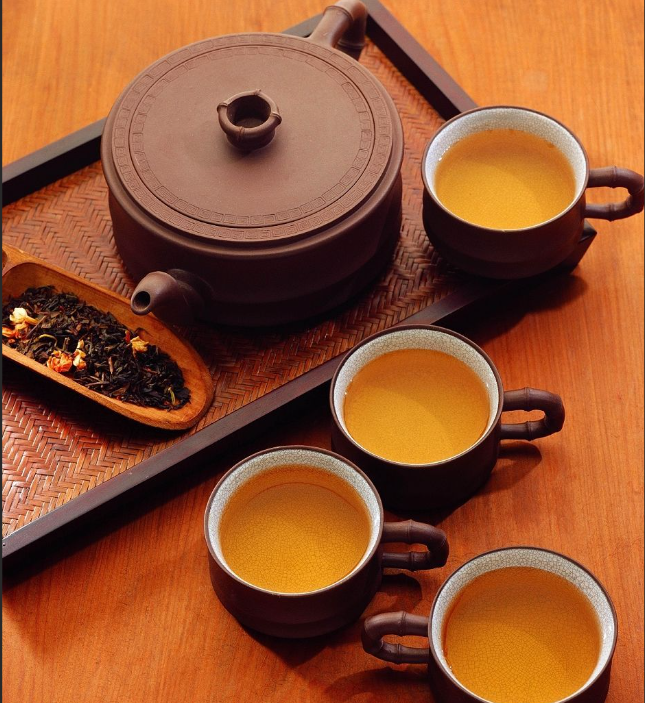
One of the benefits of having an empire isthat we did learn quite a bit from the colonies. From East Asia (China) weadopted tea (and exported the habit to India), and from India we adoptedcurry-style spicing, we even developed a line of spicy sauces includingketchup, mint sauce, Worcestershire sauce and deviled sauce to indulge thesetastes. Today it would be fair to say that curry has become a national dish.
Among English cakes and pastries, many aretied to the various religious holidays of the year. Hot Cross Buns are eaten onGood Friday, Simnel Cake is for Mothering Sunday, Plum Pudding for Christmas,and Twelfth Night Cake for Epiphany.
Unfortunately, a great deal of damage was done to British cuisine during the two world wars. Britain is an island andsupplies of many goods became short. The war effort used up goods and servicesand so less were left over for private people to consume. Ships importing foodstuffs had to travel in convoys and so they could make fewer journeys. Duringthe second world war food rationing began in January 1940 and was lifted onlygradually after the war.
The British tradition of stews, pies andbreads, according to the taste buds of the rest of the world, went intoterminal decline. What was best in England was only that which showed theinfluence of France, and so English food let itself become a gastronomic jokeand the French art of Nouvell Cuisine was adopted.