
11.1 The basics of cross-cultural communication
Key Takeaways
Language: Verbal communication is how people most explicitly convey information from one person to another, so knowing how to speak different languages greatly empowers people to connect across cultural divides.
Nonverbal communication: Sometimes body language—such as eye contact or facial expressions—might be all it takes to communicate certain information across cultures. Still, nonverbal communication often takes on different meanings among different cultural groups.
Social norms: Different cultural norms lead to different communication styles. For example, in high-context cultures (such as in Japan and China), people talk around a subject gingerly rather than take a more blunt approach. By contrast, low-context cultures (such as in the United States and Germany) generally prefer more direct forms of communication.
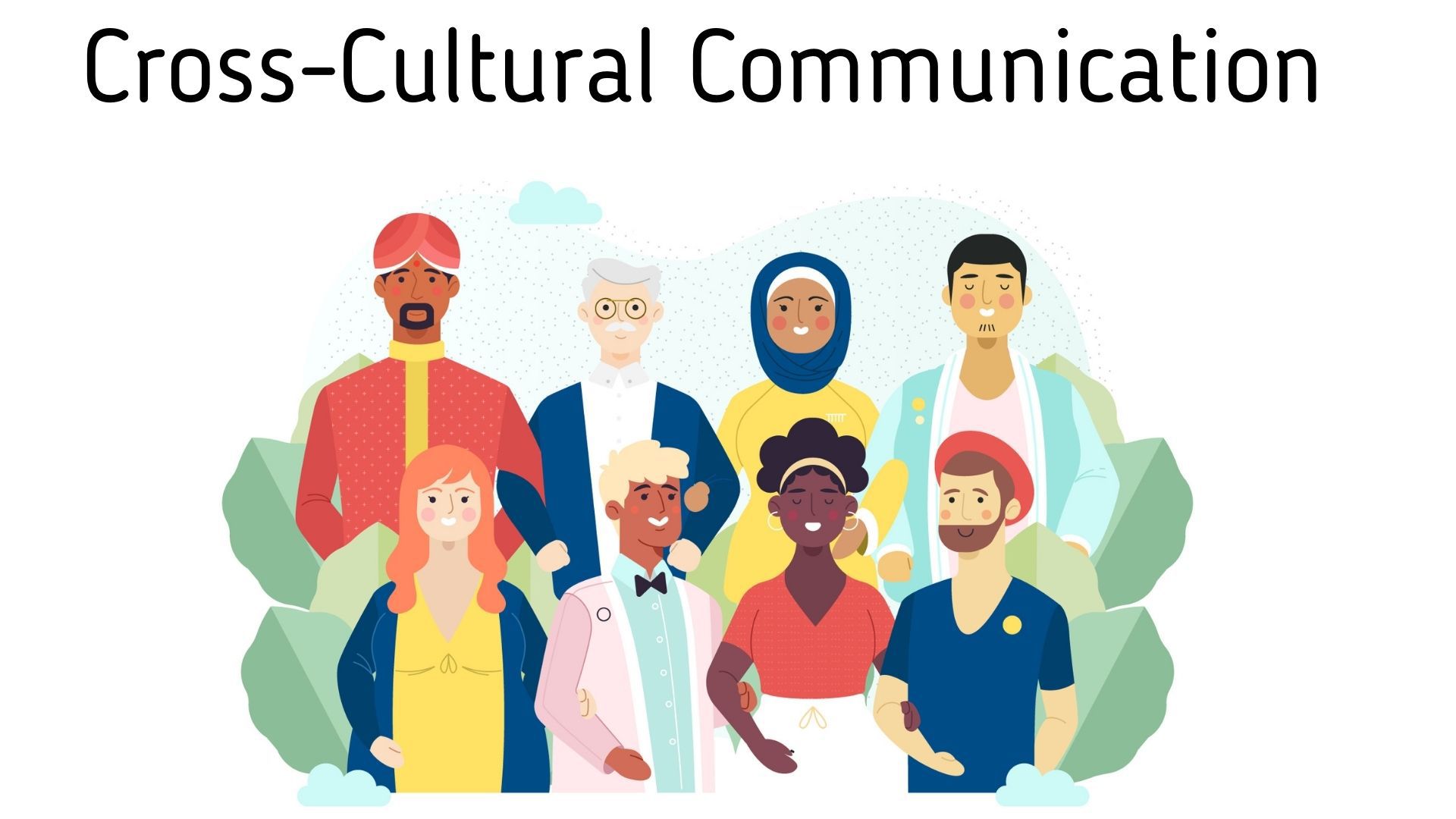
Cross-cultural communication theory explores how people of different countries, ethnicities, and cultures can work together to communicate most effectively. This means overcoming language differences, understanding multicultural nonverbal cues, and working together to understand how to best convey ideas across cultural divides.
Given the prevalence of remote work and the continued globalization of the economy, cross-cultural communication is likely to become more important than ever in the years ahead.
阅读材料:NEGOTIATING ACROSS CULTURES (A communication perspective)
视频:Cultural Differences in Negotiations and Conflicts
课件分享:Internationaland Cross-Cultural Negotiation

