
目录

  • 1 课程介绍
    • 1.1 课程介绍文档
    • 1.2 课程思政优秀案例
  • 2 教学大纲
    • 2.1 中文教学大纲
    • 2.2 最近一学期教案
  • 3 Chapter 1 Multinational Management in a Changing World
    • 3.1 Covid-19 and Globalization
    • 3.2 Chinese Multinational Company
  • 4 Chapter 2 Culture and Multinational Management
    • 4.1 What is culture?
    • 4.2 Levels of culture
      • 4.2.1 Hofstede model of national culture
      • 4.2.2 Caveats and cautions
  • 5 Chapter 3 Strategic Management in the Multinational Company
    • 5.1 Generic Strategy
    • 5.2 IKEA case study and low-cost leadership
    • 5.3 Airbus-Boeing Case study and differentiation
    • 5.4 Value chain analysis
  • 6 Chapter 4 Multinational and Entry-mode Strategies
    • 6.1 Multinational strategies
    • 6.2 Entry mode strategies: content and formulation
  • 7 Chapter 5 Business  Ethics and Social Responsibility
    • 7.1 International business ethics
    • 7.2 Social responsibility
    • 7.3 National differences in business ethics and social responsibility
  • 8 Chapter 6 Organizational Designs for Multinational Companies
    • 8.1 The nature of organizational design
    • 8.2 Critical decision points in global marketing
    • 8.3 Global Production and Supply-Chain Management
    • 8.4 Knowledge management
  • 9 Chapter 7 Global Entrepreneurship and Intrapreneurship
    • 9.1 Business Entrepreneurship across Borders
    • 9.2 From Entrepreneurship to Born-Global Firms
    • 9.3 Regional Economic Integration
  • 10 Chapter 8 International Human Resource Management
    • 10.1 Multinational managers
    • 10.2 The Global War for Talent
    • 10.3 Effective Selection and Placement Strategies
  • 11 Chapter 9 International Negotiation and Cross-cultural Communication
    • 11.1 The basics of cross-cultural communication
    • 11.2 International negotiation
      • 11.2.1 Types of negotiation
      • 11.2.2 Basic guidelines to negotiation
  • 12 Exercise
    • 12.1 作业(见图表指示)
    • 12.2 考查试题
Knowledge management

                                          8.4  Knowledge Management

Key Takeaways

Knowledge management (KM) is defined as the process of capturing, storing, sharing and effectively managing the knowledge and experience of employees to increase the workforce’s overall knowledge. Its primary goal is to improve efficiency, productivity and retain critical information within the company. By harnessing your most valuable asset, employee expertise and knowledge, you can maximize efficiency and empower employees to improve their decision-making ability.
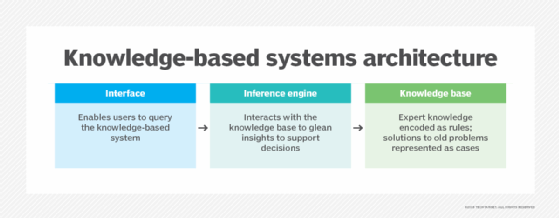
Knowledge-based systems architecture

Faster and more effective onboarding: Being able to find information quickly when an employee starts a new job boosts productivity and reduces the time required to be up and running, saving money in the process.

Spend less time recreating existing knowledge: With effective knowledge management, everyone within the organization can spend less time answering repetitive questions and focus on more meaningful and enjoyable work.

Speed up innovation: Employees benefit from access to expert knowledge to do their job effectively and efficiently. This access also allows them to leverage findings from other teams so mistakes aren't repeated and learnings spread quicker.


视频:Knowledge management


课件分享:Introduction to knowledge management


课后思考:FOOD FOR THOUGHT

  1. What defines an effective knowledge management tool?

  2. What are the key benefits ofeffective knowledge management?