
8.1 The nature of organizational design
Key Takeaways
Organizational design is the discipline of shaping an organization to better achieve its business strategy and objectives by aligning its people and the skills they have with the work they do.
Designing an organization that’s more responsive and resilient to unforeseen changes calls for a more precise understanding of your organization as it is today. Design methodology considers activities (work), competencies (knowledge and skills), roles (to complete the work), and human capital (people with the right competencies) needed to fulfil positions and meet objectives (targets).
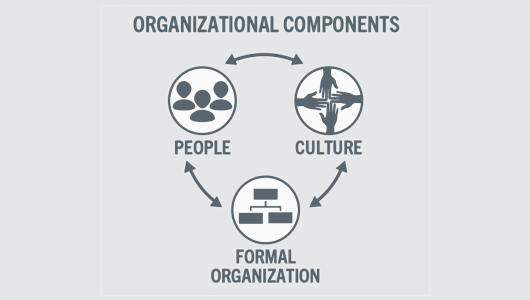
Successful organizational designs should incorporate these elements:
Strategy – Why a business exists and what advantage it has over competitors
Structure – How people are organized hierarchically
Systems – The processes for submitting departmental reports, rewarding employees, or allocating resources, for example
Processes – The methods and technologies people use to get their work done
People – The type of talent that should be hired across departments in order to meet company-wide goals
Culture – Communication, collaboration, or managerial styles
阅读材料:Guide to Organizational Desgin
视频:What is organizational design?
课件分享:Nature of Organizations
课后思考:FOOD FOR THOUGHT
How do organization design differ between differnt industries?
Why does organization design matter?

