
What is “Renaissance”?
This term refers to a great bourgeois cultural movement in Europe which began in the 14th century and continued to the mid-17th century. It first started from Italy and then spread all over Europe. Originally, the term means “rebirth” or “revival”. And the movement seems to be a rebirth or revival of ancient Greek and Roman culture, caused by a series of historical events, such as the new discoveries in geography and astrology, the religious reformation and the economic expansion. The Renaissance, therefore, in essence,is a historical period in which the European humanist thinkers and scholars tried to get rid of those old feudalistic ideas in Medieval Europe, to introduce new ideas that express the interests of the rising bourgeoisie, and to recover the purity of the early church from the corruption of the Roman catholic church.
What are the main characteristics of humanist writings?
Humanist writing affirm the value of man and repudiate the absolute control of man by God. They call for man’s freedom in thinking, praise man’s worldly aspirations, and denunciate the feudalistic control of man’s thought. They state that man has a right for early happiness and that asceticism is against human nature. IN them, reason and science are put into a very high place while mysticism is thrown away. They are mostly realistic in essence.
What is the historical and cultural background of Renaissance in England?
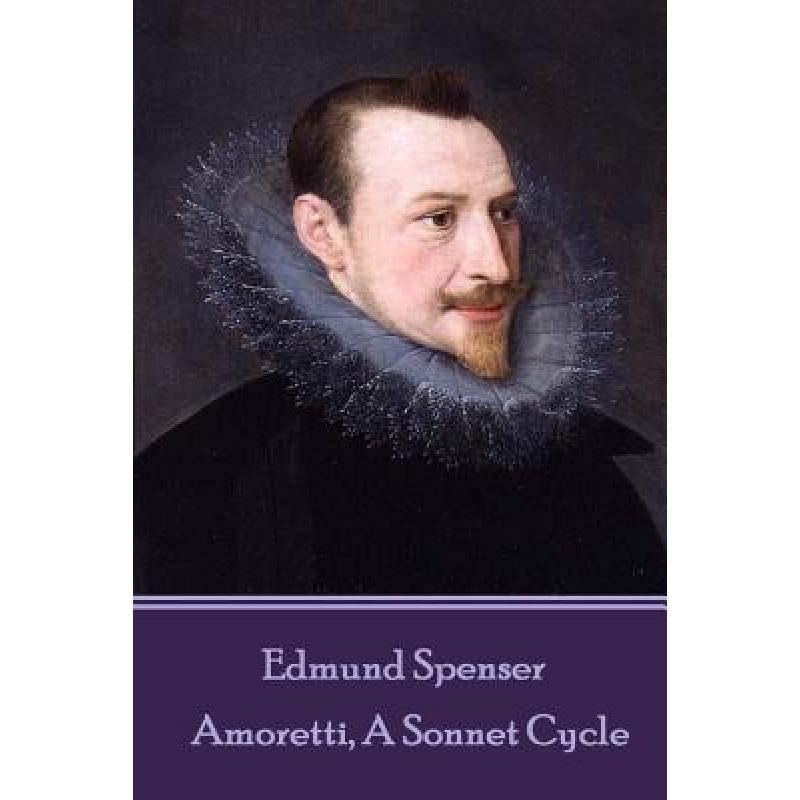
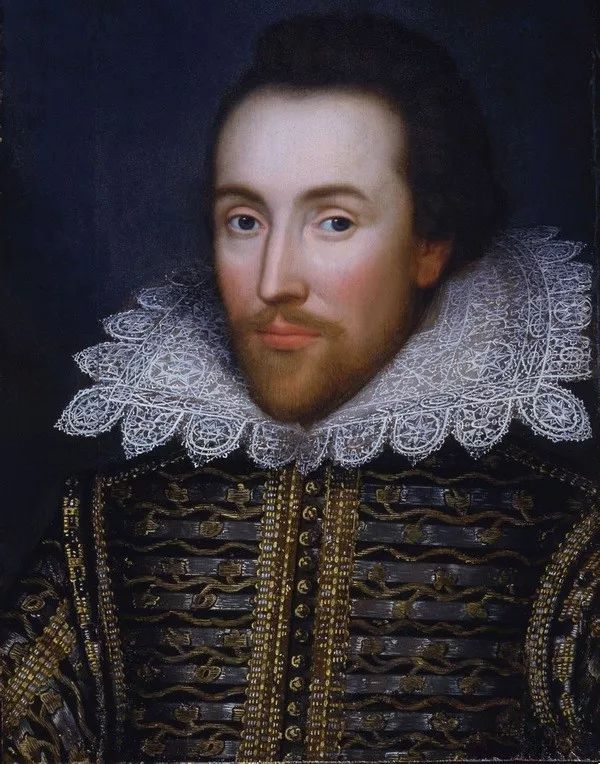
Because of the Wars of Roses within the country and its weak and unimportant position in world trade, Renaissance came later in England than other European countries. But when it did come, it was to produce some towering figures in the English and world literary heritage-William Shakespeare, Edmund Spencer, Sir Thomas More, Francis Bacon and a number of humanist scholars.
The reign of Elizabeth I (1558-1603) was a period of political and religious stability on the one hand and economic prosperity on the other. The Church of England was re-established, ending the long-time religious strife; commence and industry forged ahead as a result of the enclosure movement at home and the opening of new sea routes in the world. England began to embark on the road to colonization and foreign control that was to take it onto its heyday of capitalist development.
What is sonnet?
Sonnet is a type of poem consisting of one single fourteen-line stanza. It was perfected by the Italian poet in the 13th century and introduced into England in the early 16th century. Sonnets, in terms of structure, largely fall into two classes: the Petrarchian or Italian form and the Shakespearian or English form. The former divides its fourteen lines of iambic pentameters into two parts: one octet and one sestet; while the latter consists of three quatrains and a final couplet. The three quatrains develop the poem’s subject consistently and the couplet condenses the emotion into an epigram.
How to define the term "humanism?"
Humanism is a system of beliefs upheld by writers and artists of the Renaissance period in fighting against medieval asceticism. It states that man is godly,that man is able to find truth, goodness and beauty, and that man is in control of the present life rather than being controlled by God. Briefly, humanism puts man at the center of their beliefs and takes man to be the measure of every thing while the former asceticism puts God at the center of their beliefs and takes personal salvation to be the most important thing on the earth for man.