
《英美文学(一)》

吴东京、彭荻、陈文玉

目录

  • 1 第1章The Old English and Medieval English Periods
    • 1.1 Teaching Requirements, Key & Difficult Points
    • 1.2 Pre-reading(含背景知识微课):the formation of Britain;Chaucer;Utopia;Epic
    • 1.3 While-reading
    • 1.4 Post-reading
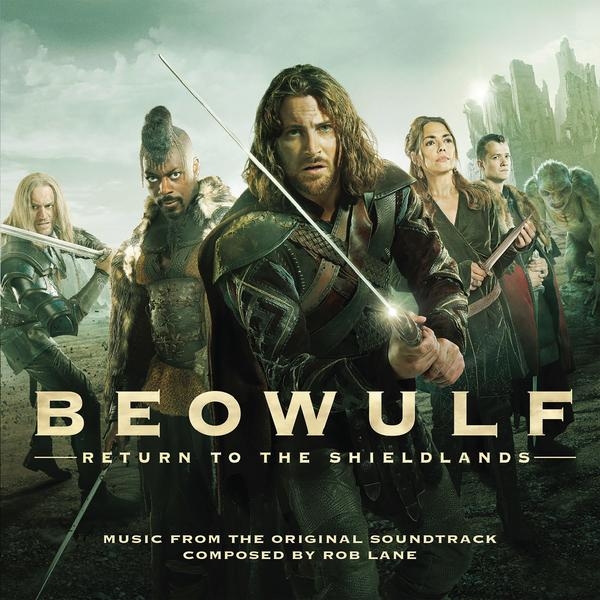
    • 1.5 Further Enhancement (含Beowulf电影)
    • 1.6 Supplementary Information
  • 2 第2章The Period of British Renaissance--An introduction to Chaucer, Spenser, Shakespeare
    • 2.1 Teaching Requirements, Key & Difficult Points
    • 2.2 Pre-reading(含背景知识微课):Renaissance movement, Shakespeare,Chaucer, Utopia.
    • 2.3 While-reading:
    • 2.4 Post-reading
    • 2.5 Further Enhancement
    • 2.6 Supplementary Information
  • 3 第3章The Period of British Renaissance-An Analysis of Hamlet
    • 3.1 Teaching Requirements, Key & Difficult Points
    • 3.2 Pre-reading:Understanding drama(含Hamlet电影)
    • 3.3 While-reading:学生:Shakespeare’s four tragedies;老师:An analysis of Hamlet
    • 3.4 Post-reading
    • 3.5 Further Enhancement
    • 3.6 Supplementary Information
  • 4 第4章The Puritan Revolution and Religious Literature in the 17th Century-Puritan Revolution & Religious Literature
    • 4.1 Teaching Requirements, Key & Difficult Points
    • 4.2 Pre-reading(含背景知识微课):An introduction to Bacon’s empiricism, empiricism, philosophical thinking,Milton,Bunyan
    • 4.3 While-reading:老师:Bacon’s philosophical thinking, scientific philosophy, religious revolution;学生:An introduction to metaphysical poetry and Donne’s masterpieces
    • 4.4 Post-reading
    • 4.5 Further Enhancement
    • 4.6 Supplementary Information
  • 5 第5章The Puritan Revolution and Religious Literature in the 17th Century-Milton's Paradise Lost & Bunyan's Pilgrim's Progress
    • 5.1 Teaching Requirements, Key & Difficult Points
    • 5.2 Pre-reading
    • 5.3 While-reading
    • 5.4 Post-reading
    • 5.5 Furthur Enhancement
    • 5.6 Supplementary Information
  • 6 第6章Romantic Literature in the 18th Century-Romanticism,Thomas Gray
    • 6.1 Teaching Requirements, Key & Difficult Points
    • 6.2 Pre-reading
    • 6.3 While-reading
    • 6.4 Post-reading
    • 6.5 Further Enhancement
    • 6.6 Supplementary Information
  • 7 第7章Romantic Literature in the 18th Century-William Blake
    • 7.1 Teaching Requirements, Key & Difficult Points
    • 7.2 Pre-reading
    • 7.3 While-reading
    • 7.4 Post-reading
    • 7.5 Further Enhancement
    • 7.6 Supplementary Information
  • 8 第8章Romantic Literature in the 18th Century-George Gordon Byron
    • 8.1 Teaching Requirements, Key & Difficult Points
    • 8.2 Pre-reading
    • 8.3 While-reading
    • 8.4 Post-reading
    • 8.5 Further Enhancement
    • 8.6 Supplementary Information
  • 9 第9章Realistic Literature-Tom Jones,Gulliver's Travels
    • 9.1 Teaching Requirements, Key & Difficult Points
    • 9.2 Pre-reading
    • 9.3 While-reading
    • 9.4 Post-reading
    • 9.5 Further Enhancement
    • 9.6 Supplementary Information
  • 10 第10章Realistic Literature-Robinson Crusoe
    • 10.1 Teaching Requirements, Key & Difficult Points
    • 10.2 Pre-reading
    • 10.3 While-reading
    • 10.4 Post-reading
    • 10.5 Further Enhancement
    • 10.6 Supplementary Information
  • 11 第11章Realistic Literature-Charles Dickens and his Oliver Twist,Thomas Hardy
    • 11.1 Teaching Requirements, Key & Difficult Points
    • 11.2 Pre-reading
    • 11.3 While-reading
    • 11.4 Post-reading
    • 11.5 Further Enhancement
    • 11.6 Supplementary Information
  • 12 第12章Realistic Literature-Hardy's Tess of the D’Urbervilles
    • 12.1 Teaching Requirements, Key & Difficult Points
    • 12.2 Pre-reading
    • 12.3 While-reading
    • 12.4 Post-reading
    • 12.5 Further Enhancement
    • 12.6 Supplementary Information
  • 13 第13章Modernistic Literature-James Joyce,Virginia Woolf
    • 13.1 Teaching Requirements, Key & Difficult Points
    • 13.2 Pre-reading
    • 13.3 Further Enhancement
    • 13.4 Supplementary Information
  • 14 第14章Modernistic Literature-Virginia Woolf's Mrs. Dalloway
    • 14.1 Teaching Requirements, Key & Difficult Points
    • 14.2 Pre-reading
    • 14.3 While-reading
    • 14.4 Post-reading
  • 15 第15章Postwar Literature-A Survey
    • 15.1 Teaching Requirements, Key & Difficult Points
    • 15.2 Pre-reading
    • 15.3 While-reading
    • 15.4 Post-reading
    • 15.5 Further Enhancement
    • 15.6 Supplementary Information
  • 16 第16章Review
    • 16.1 Teaching Requirements, Key & Difficult Points
    • 16.2 Pre-reading
    • 16.3 While-reading
    • 16.4 Post-reading
    • 16.5 Further Enhancement
    • 16.6 Supplementary Information
While-reading


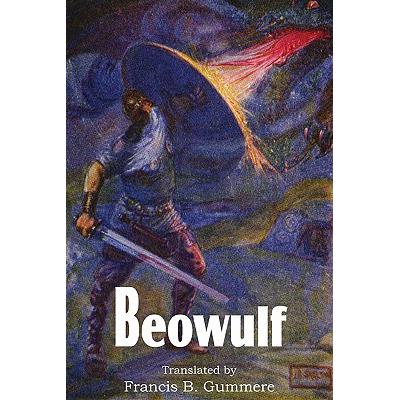
The following is an excerpt from Beowulf about Beowulf’s fight with Grendel.

                   I

Down off the moorlands’ misting fells came

Grendel stalking; God’s brand was o him.

The spoiler meant to snatch away

from the high hall some of human race.

He came on under the clouds, clearly saw at last

the gold-hall of men, the mead-drinking place

nailed with gold plates. That was not the first visit

he had paid to the hall of Hrothgar the Dane:

he never before and never after

harder luck nor hall-guards found.


Walking to the hall came this warlike creature

condemned to agony. The door gave way,

toughened with iron, at the touch of those hands.

Rage-inflamed, wreckage-bent, he ripped open

the jaws of the hall. Hastening on,

the foe then stepped onto the unstained floor,

angrily advanced: out of his eyes stood


an unlovely light like that of fire.

He saw then in the hall a host of young soldiers,

a company of kinsmen caught away in sleep,

a whole warrior-band. In his heart he laughed then,

Horrible monster, his hopes swelling

To a gluttonous meal. He meant to wrench

The life from each body that lay in the place

Before night was done. It was not to be;

He was no longer to feast on the flesh of mankind

After that night.

          Narrowly the powerful

kinsman of Hygelac kept watch how the ravager

set to work with his sudden catches;

nor did the monster mean to hang back.

As a first step he set his hands on

a sleeping soldier, savagely tore at him,

gnashed at his bone-joints, bolted huge gobbets,

sucked at his veins, and had soon eaten

all of the dead man, even down to his

hands and feet.

        Forward he stepped,

stretched out his hands to seize the warrior

calmly at rest there, reached out for him with his

unfriendly fingers:but the faster man

forestalling, sat up, sent back his arm.

The upholder of evils at once knew

he had not met, on middle earth’s

extremest acres, with any man

of harder hand-grip: his heart panicked.

He was quit of the place no more quickly for that.


Eager to be away, he ailed for his darkness

and the company of devils; the dealings he had there

were like nothing he had come across in his lifetime.

Then Hygelac’s brave kinsman called to mind

that evening’s utterance, upright he stood,

fastened his hold till fingers were bursting.

The monster strained away: the man stepped closer.

The monster’s desire was for darkness between them,

direction regardless, to get out and run

for his fen-bordered lair; he felt his grip’s strength

crushed by his enemy. It was an ill journey

the rough marauder had made to Heorot.


The crash in the banqueting-hall came to the Danes,

the men of the guard that remained in the building,

with the taste of death. The deepening rage

of the claimants to Heorot caused it to resound.

It was indeed wonderful that the wine-supper-hall

withstood the wrestling pair, that the world’s palace

fell not to the ground. But it was girt firmly,

both inside and out, by iron braces

of skilled manufacture. Many a figured

gold-worked wine-bench, as we heard it,

started from the floor at the struggles of that pair.

The men of the Danes had not imagined that

any of mankind by what method soever

might undo that intricate, antlered hall,

sunder it by strength-unless it were swallowed up in

the embraces of fire.