Zang (Tibetan) Nationality
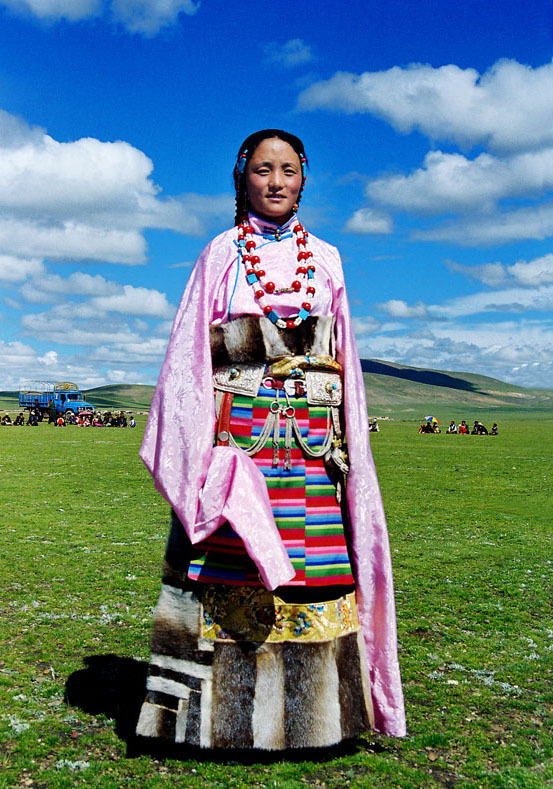
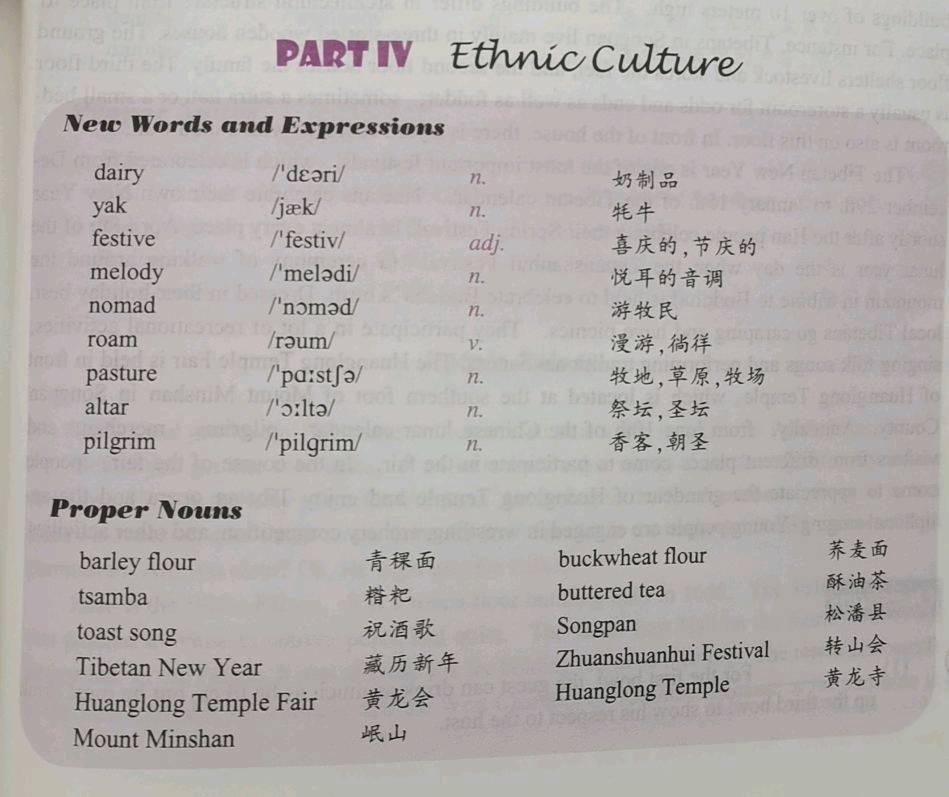
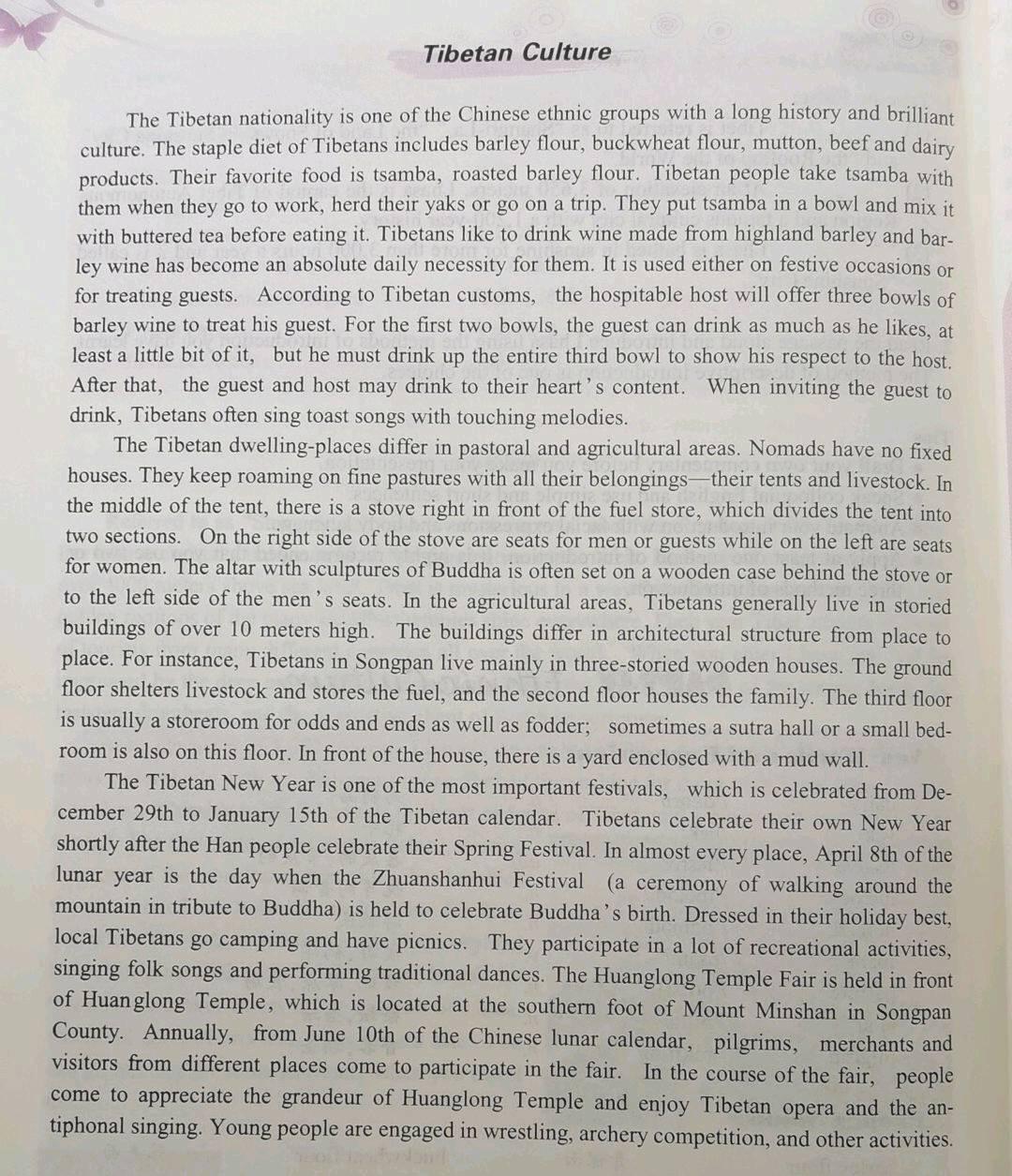
The Zang ethnic minority (also known as Tibetan People) mainly live in the Tibetan Autonomous Region on the Tibetan Plateau, with some groupings in Qinghai, Gansu, Sichuan and Yunnan Provinces. The national census of 2000 showed that it had a population of 5,416,021.
Language and Character:
The Tibetan language that belongs to the Tibetan-Burman group of the Sino-Tibetan language family is divided into three dialects and has both spoken and written forms.
History:
According to archeological findings, their ancestors lived in the Brahmaputra River delta. Historical records suggest that the Zang were part of the Xiqiang group during the Han Dynasty (206 BC - 220). As the Han people stepped into the Tang Dynasty (618 - 907), they and the Zang developed a profound friendship, which culminated in the marriage of the Tang princess Wencheng and the leader of Tibet, Songtsen Gampo. Many believe that it was Princess WenCheng that first brought Buddhism to Tibet, where it quickly spread. In the 13th century, the Mongols established the Yuan Dynasty (1271 - 1368), and began to exert sovereignty in Tibet.
Belief:
They believe in the Indian Mahayana form of Buddhism but have gradually developed a distinctive Tibetan Buddhism which is also called Lamaism.
Culture:
Living on the world famous plateau, they also boast a unique lifestyle and set of skills. In the field of the arts, Tibetan calligraphy values strictness and delicateness, be it on steles or sutras; The Thangka and other Buddhist pictures, with fluent lines and bright colors, depict figures vividly; their architecture, like the Potala Place and Jokhang Temple, is charming and brilliant; the Zang people are famous for expressing their feelings through song and dance, notably the step dance and the masked Tibetan opera. Princess Wencheng is one of the eight best known plays.

In the scientific arena, Tibetan medicine, combining various forms of traditional Chinese medicine, is said to have developed the schools of acupuncture and massage. The Mentsekhang (Tibetan Traditional Hospital) is its home. The Tibetan calendar is also worthy of mention, for it is complete and has helped the Zang people a lot.
Food:
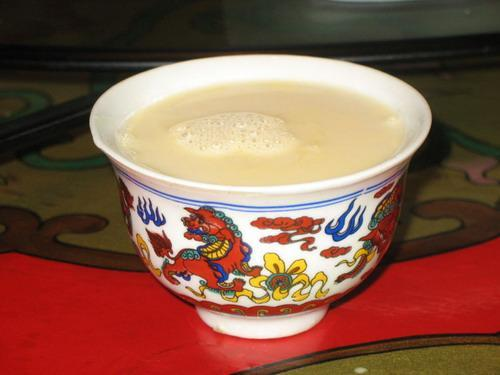
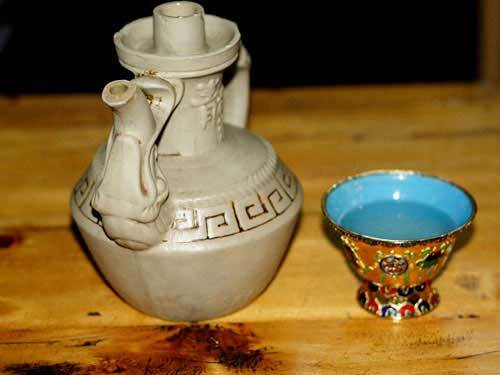
Usually the Zang people eat three meals a day, but during the busy harvest season they will have four, five and often more. Their staple foods are tsamba, yak butter tea, mutton, and beef. Tsamba, made of highland wheat (Qingke) is convenient to carry around and eat whenever you want, so you can see many of them carrying tsamba bags. As for drinks, they enjoy chang, a type of wine also made from Qingke, and milk tea. The Tibetan knife, sharp and delicate, is often used to cut meat.
Clothes:
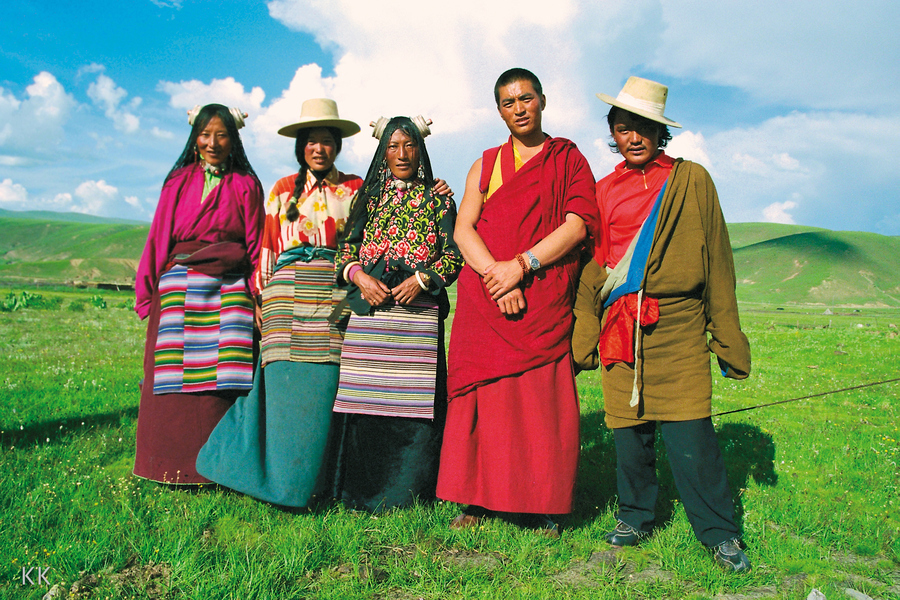
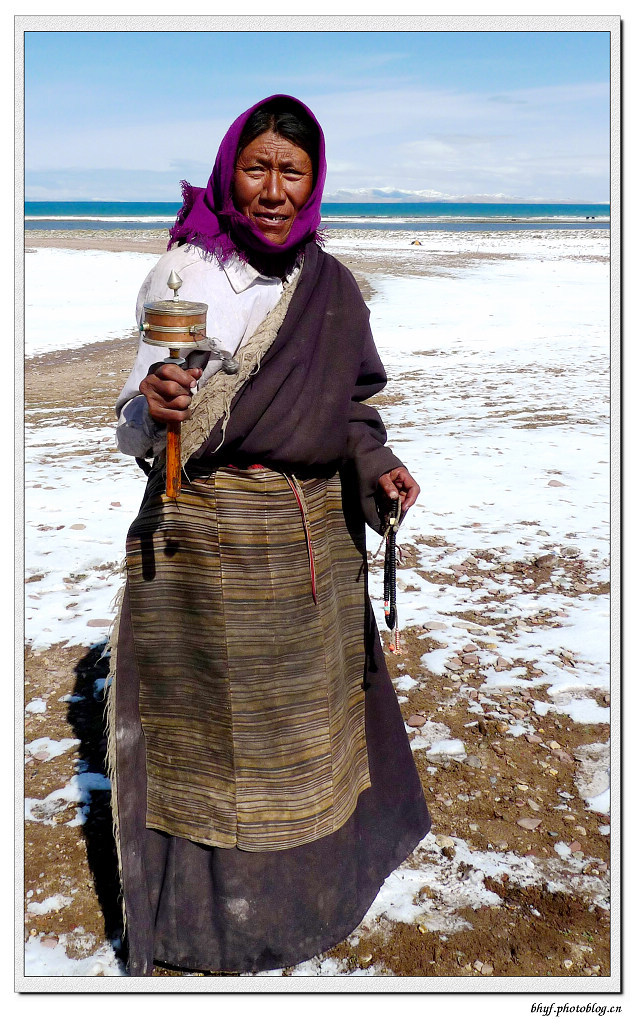
In general the Zang men wear plaits on the head and women wear them on the shoulders. They all wear gowns with long sleeves. When they are dancing, their sleeves look wings flapping in the air. The monks wear cassocks whose colors vary according to their particular sect of Tibetan Buddhism.
Potala Palace, an excellent representative of Tibetan architectureBuddha Unfolding Show Held on Shoton Festival
Festivals:
The most important festival in the calendar is the first day of the Tibetan New Year. They clean their rooms in preparation for that day, paint symbols of auspice, and warmly greet each other in the morning. On the fifteenth day, they attend the Butter Lamp Festival. Another festival, the Saka Dawa Festival falls on the fifteenth day of the fourth month, and celebrates the birth of Sakyamuni and the arrival of Princess Wencheng. This festival involves a wide range of activities. On the Shoton Festival, the first day of the seventh Tibetan month, they take pots and wares to enjoy tea, yogurt and yak butter tea in a scenic place. The Great Prayer Festival and The Bathing Festival are also important festivals. If you are a guest in Tibet, the Zang people may give you a gift of a 'hada', a kind of white ribbon. This represents their warmest heart.