目录

  • 1 课程资料
    • 1.1 教学大纲
    • 1.2 授课计划
    • 1.3 授课教案
    • 1.4 课件
  • 2 开学第一课
    • 2.1 Content 内容
  • 3 项目一 武汉二日游
    • 3.1 团前业务提升: Incidents while Escorting Tour Group
    • 3.2 团前业务提升2:Introduction  with a Focus on Key Events  突出重点法
    • 3.3 突出重点的几个方面
    • 3.4 突出重点的运用技巧及三孔景区导游讲解训练
    • 3.5 Day 1 Yellow Crane Tower
    • 3.6 Day 2 East Lake
  • 4 项目二 安徽二日游
    • 4.1 团前业务提升1:Documents and Luggage Lost
    • 4.2 团前业务提升2:Yi Culture
    • 4.3 Day 1 Tunxi Ancient Street
    • 4.4 Day 2 Tangyue Memorial Archways
  • 5 项目三 四川二日游
    • 5.1 团前业务提升:Suspense-Creating Introduction
    • 5.2 制造悬念法的场景运用技巧及三孔景区导游讲解训练
    • 5.3 Day 1 (morning) Wuhou Temple
    • 5.4 Day 1(afternoon) Sanxingdui Museum
    • 5.5 途中问题处理:Tourist Missing
    • 5.6 实训内容:三星堆博物馆
  • 6 项目四 山西二日游
    • 6.1 团前业务提升2:Qiang Culture
    • 6.2 团前业务提升1:Illness and Care
    • 6.3 Day 1 Rishengchang Exchange Shop
    • 6.4 Day 2 Wang'  s Compound
  • 7 项目五 重庆二日游
    • 7.1 团前业务提升1:First Aid
    • 7.2 First Aid
    • 7.3 团前业务提升2:Giving a Crucial Touch to the Picture
    • 7.4 画龙点睛法的运用技巧
    • 7.5 画龙点睛法的场景运用
    • 7.6 画龙点睛法的运用技巧及兖州兴隆文化园景区导游词讲解训练
    • 7.7 Day 1 Ciqikou
    • 7.8 Day 2 White Emperor City
    • 7.9 实训内容:白帝城
  • 8 项目六 三亚二日游
    • 8.1 团前业务提升:Traffic Accidents
    • 8.2 团前业务提升:Li Culture
    • 8.3 Day 1 Tianya Haijao
    • 8.4 Day 2 Yalong Bay
  • 9 项目七 山东二日游
    • 9.1 团前业务提升:Section-by-Section Introduction
    • 9.2 分段讲解法的运用技巧
    • 9.3 Day 1 Mount Taishan
    • 9.4 Day 2 Qufu
  • 10 项目八 西安一日游
    • 10.1 团前业务提升:Regulations
    • 10.2 Day 1 (morning) Da Ci en Temple
    • 10.3 Day 1(afternoon) Big Wild Goose Pagoda
  • 11 项目九 西藏之旅
    • 11.1 Tibet 资源
    • 11.2 团前业务提升1:Quitting Tour and Extending Travel Time
    • 11.3 团前业务提升2:Descriptive Introduction
    • 11.4 概述法的场景运用技巧
    • 11.5 团前业务提升3:Tibetan Culture
    • 11.6 Day 1 Lhasa - Potala Palace
  • 12 项目十 走进客家文化
    • 12.1 团前业务提升1:Complaints
    • 12.2 Handling Complaints
    • 12.3 团前业务提升2:Farewell Speech
    • 12.4 Farewell
    • 12.5 The Hakka Culture
    • 12.6 Farewell Speech 课本原文
    • 12.7 Wolong Nature Reserve
    • 12.8 引人入胜讲解方法
  • 13 英文讲解范例
    • 13.1 英文讲解
  • 14 讲解方法(复习上学期内容)
    • 14.1 制造悬念法(分段讲解法、设疑法、问答法)运用技巧
    • 14.2 突出重点法的运用技巧
    • 14.3 虚实结合法的运用技巧
    • 14.4 类比法的运用技巧
    • 14.5 导游词创作技巧
    • 14.6 问答法的场景运用技巧
    • 14.7 虚实结合法的使用方法
    • 14.8 虚实结合法的运用技巧及汶上宝相寺导游讲解训练
    • 14.9 类比法的使用方法
    • 14.10 类比法的运用技巧及学院天工园导游讲解训练
    • 14.11 常见旅游团团型特点
    • 14.12 自然风光类(风景名胜区)导游词讲解训练
    • 14.13 宗教类(佛教、道观)导游词撰写讲解训练
    • 14.14 建筑类(故宫、孔府、孔庙)导游词讲解训练
    • 14.15 非遗技艺技能类(山东非遗景点)导游词讲解训练
Day 1 Yellow Crane Tower


黄鹤楼

[唐] 崔颢 译文对照

昔人已乘黄鹤去,此地空余黄鹤楼。

黄鹤一去不复返,白云千载空悠悠。

晴川历历汉阳树,芳草萋萋鹦鹉洲。

日暮乡关何处是?烟波江上使人愁。
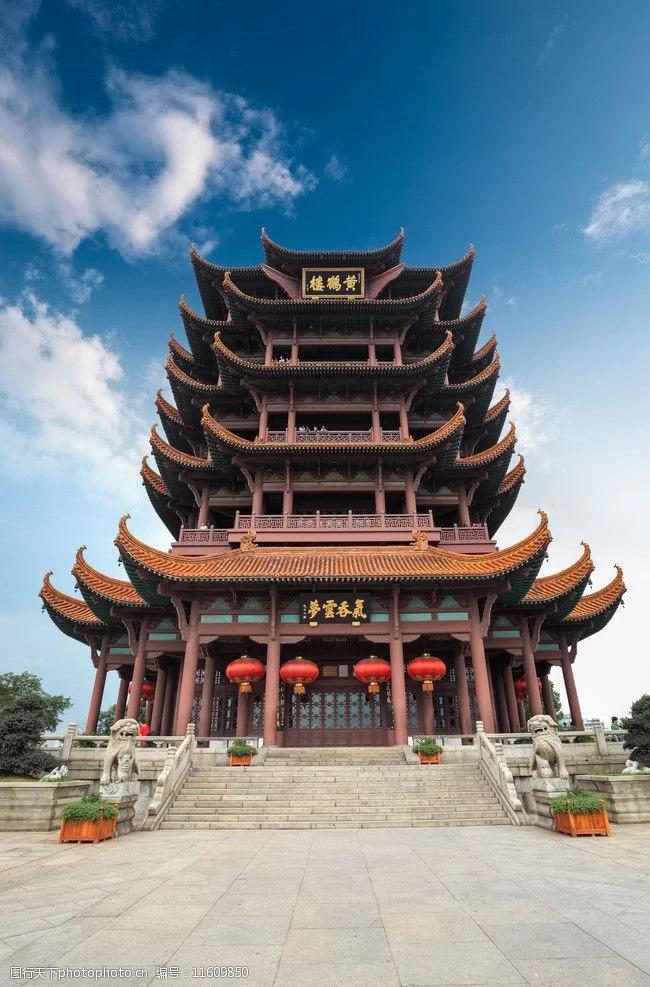

Location: on Snake Hill in Wuhan, Hubei Province

Built in: 223 during the Three Kingdoms Period (220 - 280)

Layout:  five floors


Enjoying the fame of 'The First Scenery under Heaven', Yellow Crane Tower is one of the most renowned towers south of the Yangtze River. Its cultural significance led to its being made the symbol of Wuhan City.


Yellow Crane Tower Legend

According to legend, the Yellow Crane Tower was built by the family of an old pothouse owner living in Wuhan City long ago, named Old Xin. One day, a shabbily dressed Taoist priest came to the pothouse and asked for some wine. Old Xin paid no attention to him, but his son was very kind and gave the Taoist some wine without asking for money. The Taoist priest visited the pothouse regularly for half a year when one day the Taoist said to the son that in order to repay his kindness, he would like to draw a crane on the wall of the pothouse, which would dance at his request. When people in the city heard of this, they flocked to the pothouse to see the dancing crane. The Xin family soon became rich and they built the Yellow Crane Tower as a symbol of gratitude to the Taoist priest.


History of Yellow Crane Tower


The Yellow Crane Tower has a very long and complicated history. It was first during the Three Kingdoms Period. Why was the Yellow Crane Tower built? Due to the ideal location, it was built by Sun Quan (182 - 252, King of Wu) as a watchtower for his army. After hundreds of years, its military function was gradually forgotten and the tower was enjoyed mainly as a picturesque location.

Wuhan Yellow Crane TowerElegant garden at Yellow Crane Tower

During the Tang Dynasty (618 - 907), many popular poems were written in praise of the Yellow Crane Tower. It was the Yellow Crane Tower poem that made the Tower so renowned and induced for people to visit. During the following centuries, it was destroyed and rebuilt several times. During the Ming (1368 - 1644) and Qing (1644 - 1911) Dynasties alone the tower was destroyed seven times and rebuilt seven times. In 1884, it was completely destroyed in a fire and was not rebuilt until 1981.