目录

  • 1 课程简介Course Introduction
    • 1.1 岗位Position——电厂水处理运行值班员、锅炉水处理作业员
    • 1.2 竞赛Competition——世界技能大赛水处理技术赛项、世界职业院校技能大赛水处理技术赛项
    • 1.3 证书Certification——特种设备作业证、水生产处理工职业技能等级证、1+X证
    • 1.4 动态职业能力图谱Dynamic Career Ability Graph
    • 1.5 课程标准The Course Standard(中英文版)
    • 1.6 教学设计、实施与考核Teaching design, implementation and assessment
  • 2 项目一 热力发电与水处理的认识Project 1:Fundamentals of thermal power generation and water treatment
    • 2.1 任务一 火电厂发电过程认识Task 1 Understanding the  Generation Process of Thermal Power Plants
    • 2.2 任务二 电厂水处理认识Task 2 Understanding Water Treatment in Thermal  Power Plants
    • 2.3 测验1【Quiz1】
  • 3 项目二 锅炉补给水制备Project 2:Boiler Makeup Water Preparation
    • 3.1 任务一 水处理技术概述Task1:Water Treatment Technology Overview
      • 3.1.1 活动1 水的杂质与水质指标Activity 1:Water Impurities  and Quality Indicators
      • 3.1.2 活动2 补给水处理工艺基本流程Activity 2:The Basic Process of Boiler Makeup Water Preparation
    • 3.2 任务二  预处理设备运行与维护Task 2:Pre-treatment Equipment Operation and Maintenance
      • 3.2.1 活动1 澄清池的运行与维护Activity 1: Operation and Maintenance of the Clarification Tank
      • 3.2.2 活动2 沉淀池的运行与维护Activity 2: Operation and Maintenance of Sedimentation Tanks
      • 3.2.3 活动3 过滤器的运行与维护Activity 3: Operation and Maintenance of Filters
      • 3.2.4 活动4 超滤装置的运行与维护Activity 4:Operation and Maintenance of Ultrafiltration Equipment
      • 3.2.5 测验2-1【Quiz 2-1】
    • 3.3 任务三 除盐设备的运行与维护Task 3: Operation and Maintenance of Desalination Equipment
      • 3.3.1 活动1 反渗透装置的运行与维护Activity 1: Operation and Maintenance of Reverse Osmosis Equipment
      • 3.3.2 活动2 电渗析器的运行与维护Activity 2: Operation and Maintenance of Electrodialysis Units
      • 3.3.3 活动3 电去离子设备(EDI)的运行与维护Activity 3: Operation and Maintenance of Electrodeionization Equipment (EDI)
      • 3.3.4 活动4 离子交换器的运行与维护Activity 4 Operation and Maintenance of Ion Exchangers
      • 3.3.5 测验2-2【Quiz 2-2】
    • 3.4 课后实践:学以致用After-class practice: Applying what you have learned
  • 4 项目三 水汽系统水处理Project 3:Water-Steam System Treatment
    • 4.1 任务一 凝结水精处理系统运行与维护Task 1: Operation and Maintenance of Condensate Water Treatment System
      • 4.1.1 活动1 凝结水精处理系统运行与控制Activity 1: Operation and Control of Condensate Water Treatment System
      • 4.1.2 活动2 高速混床的再生与维护Activity 2: Regeneration and Maintenance of High-speed Mixed Beds
      • 4.1.3 测验3-1【Quiz 3-1】
    • 4.2 任务二 给水处理Task 2:Feedwater Treatment
      • 4.2.1 活动1 给水处理基本方法Activity 1: Basic Methods of Feedwater Treatment
      • 4.2.2 活动2 给水加药装置与操作Activity 2:Feedwater Reagent Addition System and Operation
      • 4.2.3 测验3-2【Quiz 3-2】
    • 4.3 任务三 锅水处理Task 3: Boiler Water Treatment
      • 4.3.1 活动1 锅水处理基本方法Activity 1: Basic Methods for Boiler Water Treatment
      • 4.3.2 活动2 锅水加药装置与操作Activity 2:Boiler Water Reagent Addition System and Operation
      • 4.3.3 测验3-3【Quiz 3-3】
    • 4.4 任务四 水汽质量监督要求Task 4: Requirements for Water and Steam Quality Supervision
      • 4.4.1 活动1 水汽质量监督标准Activity 1: Water and Steam Quality Supervision Standards
      • 4.4.2 活动2 典型异常现象与处理措施Activity 2: Typical Abnormal Phenomena and Handling Measures
      • 4.4.3 测验3-4【Quiz 3-4】
    • 4.5 任务五 锅炉化学清洗基本知识Task 5: Basic Knowledge of Boiler Chemical Cleaning
    • 4.6 课后实践:学以致用After-class practice: Applying what you have learned
  • 5 项目四 循环冷却水处理Project 4:Circulating Cooling Water Treatment
    • 5.1 任务一 循环冷却水概述Task One: Overview of Circulating Cooling Water
    • 5.2 任务二 循环冷却水处理系统的运行与维护Task 2: Operation and Maintenance of the Recirculating Cooling Water Treatment System
      • 5.2.1 活动1 循环冷却水处理系统的运行与控制Activity 1: Operation and Control of the Circulating Cooling Water Treatment System
      • 5.2.2 活动2 循环冷却水处理系统典型故障与处理Activity 2: Typical Faults and Handling of the Circulating Cooling Water Treatment System
    • 5.3 测验4【Quiz 4】
  • 6 项目五 电厂废水处理Project 5:Industrial Wastewater Treatment
    • 6.1 任务一 工业废水类型及污染物的认识Task 1: Understanding of Types of Industrial Wastewater and Its Contaminants
    • 6.2 任务二 工业废水排放监督要求Task 2: Supervision Requirements for Industrial Wastewater Discharge
    • 6.3 任务三 工业废水处理系统运行与维护Task 3: Operation and Maintenance of Industrial Wastewater Treatment System
    • 6.4 测验5【Quiz 5】
  • 7 项目六 水处理实验与虚拟仿真实训Project 6: Water Treatment Experiment and Virtual Simulation Training
    • 7.1 任务一 水处理实验Task 1: Water Treatment Experiment
      • 7.1.1 实验1 混凝沉淀实验 Experiment 1: Coagulation Sedimentation Experiment
      • 7.1.2 实验2 过滤实验Experiment 2: Filtration Experiment
      • 7.1.3 实验3 离⼦交换软化实验Experiment 3: Ion Exchange Softening Experiment
      • 7.1.4 实验4 膜法⽔处理实验Experiment 4:Membrane-based Water Treatment Experiment
      • 7.1.5 实验5 循环冷却水阻垢实验Experiment 5: Scale Prevention Experiment for Circulating Cooling Water
      • 7.1.6 实验6 给水除氧和pH调节模拟实验Experiment 6: Simulated Experiment on Water Deoxygenation and pH Regulation
      • 7.1.7 实验7 炉水磷酸盐处理模拟实验Experiment 7: Simulated Experiment on Phosphate Treatment of Boiler Water
    • 7.2 任务二 小型除盐水制备系统的运行与控制Task 2: Operation and Control of Small-scale Desalinated Water Production System
      • 7.2.1 活动1 除盐水的制备Activity 1: Preparation of Desalted Water
      • 7.2.2 活动2 离子交换器的再生Activity 2: Regeneration of Ion Exchangers
    • 7.3 任务三 电厂化学水处理系统仿真实训Task 3: Simulation Training for Chemical Water Treatment System of Power Plant
      • 7.3.1 活动1 电厂化学水处理仿真实训系统Activity 1: Simulation Training System for Chemical Water Treatment in Power Plants
  • 8 拓展模块一 技术创新与应用:农村净水处理系统设计与应用Expansion Module 1: Technological Innovation and Application: Design and Application of Rural Water Purification System
    • 8.1 任务一 小型水处理系统设计Task 1: Design of Small Water Treatment System
    • 8.2 任务二 设备选型与组装Task 2: Equipment Selection and Assembly
    • 8.3 任务三 小型水处理系统运行与控制Task 3: Operation and Control of Small Water Treatment Systems
  • 9 拓展模块二 技术创新与应用:绿色技术发展与应用Expansion Module 2: Technological Innovation and Application: Green Technology Development and Application
    • 9.1 绿色技术推广目录(2024年版)Green Technology Promotion Catalogue (2024 Edition)
    • 9.2 应用案例Application Case
  • 10 附录 行业相关标准及技术规范Appendix: Industry-related Standards and Technical Specifications
    • 10.1 Document 1: Industry Standard
    • 10.2 资料2 技术规范Document 2: Technical Specifications
任务一 水处理技术概述Task1:Water Treatment Technology Overview
  • 1 任务介绍Task ...
  • 2 课后任务Task ...

1.了解天然水中杂质来源Understanding the sources of impurities in natural water
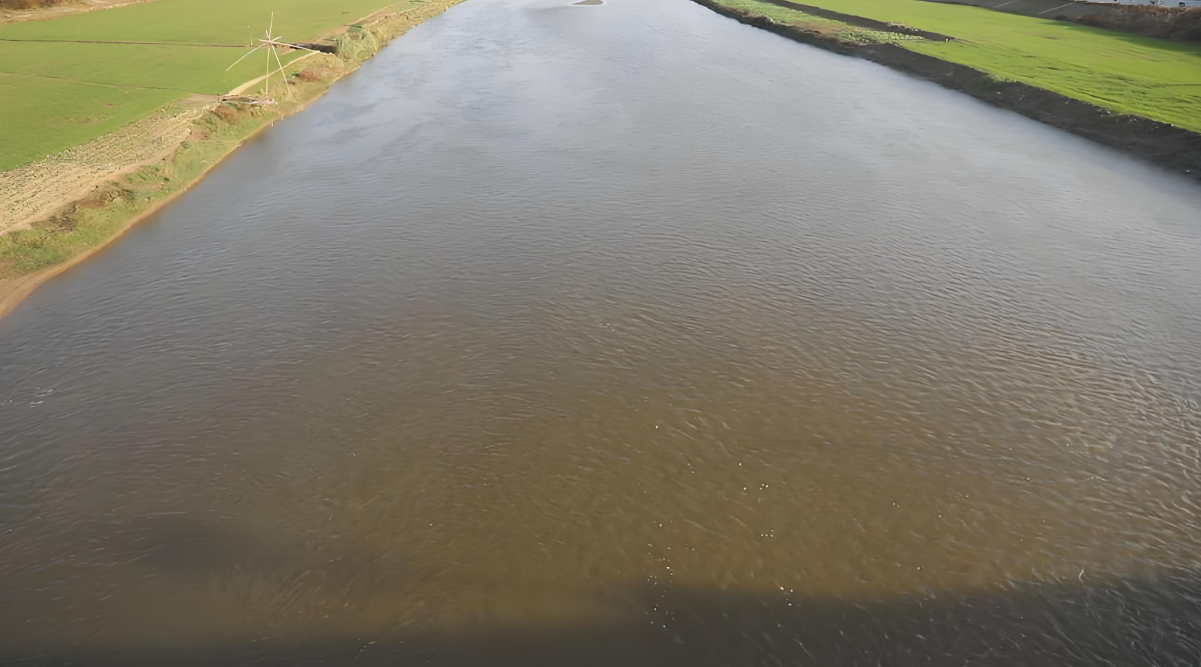
天然水主要指自然界中存在的地表水(如河流、湖泊)和地下水,其来源决定了杂质的存在,包括物理、化学和生物杂质。这些杂质源于自然过程(如岩石侵蚀)和人为活动(如污染)。
Natural water primarily refers to surface water (e.g., rivers, lakes) and groundwater found in nature. Its sources determine the presence of impurities, including physical, chemical, and biological types, originating from natural processes (e.g., rock erosion) and human activities (e.g., pollution).

2.理解杂质类型Comprehending the types of impurities
杂质类型分为三大类:悬浮固体(如泥沙)、胶体物质(如黏土颗粒)和溶解固体(如矿物质)。这些类型基于杂质的大小和性质进行划分,影响水处理技术的选择。
Impurity types are classified into three main categories: suspended solids (e.g., silt), colloidal substances (e.g., clay particles), and dissolved solids (e.g., minerals). These types are defined by impurity size and properties, influencing the selection of water treatment technologies.

3.了解具体杂质种类Understanding the specific types of impurities

常见杂质种类包括物理杂质(如泥沙、藻类)、化学杂质(如重金属、有机物)和生物杂质(如细菌、病毒)。这些种类反映了天然水的实际组成,是水质评估的基础。
Common impurity species include physical impurities (e.g., silt, algae), chemical impurities (e.g., heavy metals, organic matter), and biological impurities (e.g., bacteria, viruses). These species reflect the actual composition of natural water and form the basis for water quality assessment.

4.掌握水质指标的定义Mastering the definition of water quality indicators
水质指标用于量化水的质量,包括物理指标(如浊度、色度)、化学指标(如pH值、溶解氧)和生物指标(如大肠杆菌数)。这些指标是水处理技术效果的评估标准。
Water quality indicators are used to quantify water quality, encompassing physical indicators (e.g., turbidity, color), chemical indicators (e.g., pH, dissolved oxygen), and biological indicators (e.g., coliform count). These indicators serve as evaluation criteria for the effectiveness of water treatment technologies.

5.掌握水处理技术的基本目标Mastering the basic objective of water treatment
水处理技术的核心目标是通过物理、化学或生物方法去除天然水中的杂质,以改善水质指标(如降低浊度或细菌数),确保水安全用于饮用、工业或生态用途。概述强调技术与杂质类型、种类及指标的对应关系。
The core goal of water treatment technology is to remove impurities from natural water through physical, chemical, or biological methods, thereby improving water quality indicators (e.g., reducing turbidity or bacterial count) to ensure safety for drinking, industrial, or ecological use. The overview emphasizes the correlation between technologies and impurity types, species, and indicators.