
Lesson 1 Evolution and Extinction of Animals
一、词素的概念
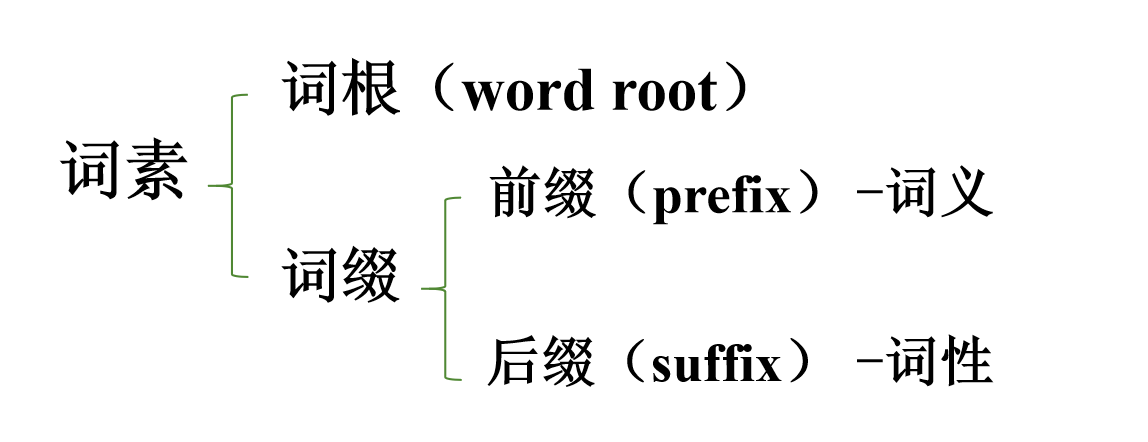
二、英语构词法

三、Words and Expression
macroevolution /ˈmækroˌevəˈlʊʃən/ n.(动、植物的)宏(观)进化,大进化
microevolution / maɪkroˌivəˈlʊʃən/ n.[进化] 微(观)进化
megaevolution /ˌmegəivəˈlʊʃən/ n. 大进化,巨进化
speciation /ˌspisiˈeʃən/ n.物种形成
fossil /ˈfɑːsl/ n.化石
acquisition /ˌækwɪˈzɪʃn/ n.学得;获得;收购
habitat /ˈhæbɪtæt/ n.生活环境,栖息地
ancestor /ˈænsestər/ n.祖先,祖宗;(动植物)原种,原型
lush /lʌʃ/ adj.茂盛的,郁郁葱葱的
vegetation /ˌvedʒəˈteɪʃn/ n.(总称)植物,植被
pad /pæd/ n.(动物的)肉掌
browse /braʊz/ v.(动物)吃草;浏览,随意翻阅
cacti /ˈkæktaɪ/ n.仙人掌(cactus 的复数形式)
morphology /mɔːrˈfɑːlədʒi/ n.(生物)形态学;
Euphorbiaceae /ju:,fɔ:bi'æsii:/ n. 大戟科植物
eocene /ˈiːoʊˌsiːn; ˈiːəˌsiːn/ n.(the Eocene)始新世
predator / ˈpredətər/ n.肉食性动物
Equus /ˈekwəs/ n.马属(包括马,驴,斑马等)
vertebrate /ˈvɜːrtɪbrət/ n .脊椎动物;adj.有脊椎的
invertebrate /inˈvɜːrtɪbrət/ n .无脊椎动物;adj.无脊椎的
aquatic /əˈkwɑːtɪk/ n.水生动植物;adj.水生的
terrestrial /təˈrestriəl/ n.地球生物,陆地生物 adj.陆地上的
integral /ˈɪntɪɡrəl/ adj.必需的;完整的
relic /ˈrelɪk/ n.遗物,遗迹
refuge /ˈrefjuːdʒ/ n.避难所;v.庇护
community /kəˈmjuːnəti/ n.社群,群落;社区
verge /vɜːrdʒ/ n.边缘;v.濒临
四、Sentence Structures and Analysis
1、The evolution of the major groups of organisms is known as macroevolution, to distinguish it from the effect of variation, selection and speciation which collectively can be called microevolution, and the emergence of entirely new biological systems which is megaevolution.
2、As habitat conditions changed from lush vegetation that could be browsed, to a drier grassland which necessitated grazing and speed of flight from predators, natural selection altered the population.
3、Those species which cannot tolerate new condition and which cannot adapt to them quickly enough will not survive.

