目录

  • 1 Lesson1 Face to Face with Hurricane Camille
    • 1.1 Lead-in and Background Knowledge
    • 1.2 Text Introduction and Organization
    • 1.3 Text Analysis
      • 1.3.1 文章讲解
      • 1.3.2 课程思政设计
      • 1.3.3 重点修辞讲解---simile and metaphor
    • 1.4 Exercises and Quiz
  • 2 Lesson2 Balckmail
    • 2.1 Lead-in and Background Knowledge
    • 2.2 Text Introduction and Organization
    • 2.3 Text Analysis
      • 2.3.1 文章讲解
      • 2.3.2 课程思政探索
      • 2.3.3 重点修辞讲解
    • 2.4 Exercises and Quiz
  • 3 Lesson3The Trial That Rocked the World
    • 3.1 Lead-in and Background Information
    • 3.2 Text Introduction and Organization
    • 3.3 Text Analysis
      • 3.3.1 文章讲解
      • 3.3.2 课程思政设计
      • 3.3.3 重点修辞讲解-hyperbole and transferred epithet
    • 3.4 Exercises and Quiz
  • 4 Lesson4 The Libido for the Ugly
    • 4.1 Lead-in and Background Information
    • 4.2 Text Introduction and Organization
    • 4.3 Text Analysis
      • 4.3.1 语言讲解
      • 4.3.2 课程思政探索
      • 4.3.3 重点修辞讲解-irony and sarcasm
    • 4.4 Exercises and Quiz
  • 5 Lesson5 Mark Twain—Mirror of America(Exerpts)
    • 5.1 Lead-in and Background Information
    • 5.2 Text Introductioin and Organization
    • 5.3 Text Analysis
      • 5.3.1 文章讲解
      • 5.3.2 课程思政设计
      • 5.3.3 重点修辞讲解-antithesis and alliteration
    • 5.4 Exercises and Quiz
  • 6 Lesson6 Everyday Use
    • 6.1 Lead-in and Background Knowledge
    • 6.2 Text Introduction and Organization
    • 6.3 Text Analysis
      • 6.3.1 人物分析
      • 6.3.2 文章讲解
      • 6.3.3 课程思政探索
      • 6.3.4 重点修辞讲解-symbolism
    • 6.4 Exercises and Quiz
  • 7 Lesson 11 Speech on Hitler's Invasion of the USSR
    • 7.1 Lead-in and Background Information
    • 7.2 Text Introduction and Organization
    • 7.3 Text Analysis
      • 7.3.1 文章讲解
      • 7.3.2 课程思政探索
      • 7.3.3 重点修辞讲解-repitition and parallelsim
    • 7.4 Exercises and Quiz
  • 8 高级英语I* (张汉熙版)
    • 8.1 《高级英语I*》课程基本介绍
      • 8.1.1 课程标准
      • 8.1.2 授课计划
      • 8.1.3 课程定位及授课思路(说课)
      • 8.1.4 活动安排与教学评价
      • 8.1.5 教学过程与教学方法
      • 8.1.6 课程思政设计理念与示范课程
      • 8.1.7 课程思政拓展阅读教学建议
    • 8.2 Lesson 1 Face to Face With Hurricane Camille
      • 8.2.1 电子版原文
      • 8.2.2 音频版原文
      • 8.2.3 学习任务单
      • 8.2.4 思政教学建议
      • 8.2.5 教学视频
      • 8.2.6 独学探究
      • 8.2.7 自测练习
      • 8.2.8 综合测试
      • 8.2.9 拓展视频
      • 8.2.10 举一反三
      • 8.2.11 重点词汇
      • 8.2.12 参考译文
      • 8.2.13 文体写作点拨-记叙文
      • 8.2.14 修辞技巧点拨-常用修辞
      • 8.2.15 理解当代中国-保障民生
      • 8.2.16 理解当代中国-人与自然发展观
      • 8.2.17 理解当代中国-应急救灾机制
    • 8.3 Lesson 2 Hiroshima——the "Liveliest" City in Japan
      • 8.3.1 电子版原文
      • 8.3.2 音频版原文
      • 8.3.3 学习任务单
      • 8.3.4 思政教学建议
      • 8.3.5 教学视频
      • 8.3.6 独学探究
      • 8.3.7 自测练习
      • 8.3.8 拓展视频
      • 8.3.9 举一反三
      • 8.3.10 重点词汇
      • 8.3.11 句法技巧点拨-释义
      • 8.3.12 文体写作点拨-特写
      • 8.3.13 理解当代中国-国家立场
      • 8.3.14 理解当代中国-国家安全
      • 8.3.15 理解当代中国-中国态度
    • 8.4 Lesson 3 Blackmail
      • 8.4.1 电子版原文
      • 8.4.2 音频版原文
      • 8.4.3 学习任务单
      • 8.4.4 思政教学建议
      • 8.4.5 教学视频
      • 8.4.6 独学探究
      • 8.4.7 自测练习
      • 8.4.8 拓展视频
      • 8.4.9 举一反三
      • 8.4.10 重点词汇
      • 8.4.11 作业展示
      • 8.4.12 语法技巧点拨-独立主格
      • 8.4.13 修辞技巧点拨-委婉语
      • 8.4.14 文体写作点拨-短文概述Summary
      • 8.4.15 拓展知识-非言语交际线索
      • 8.4.16 理解当代中国-依法治国
    • 8.5 Lesson 4 The Trial That Rocked the World
      • 8.5.1 电子版原文
      • 8.5.2 音频版原文
      • 8.5.3 学习任务单
      • 8.5.4 思政教学建议
      • 8.5.5 教学视频
      • 8.5.6 独学探究
      • 8.5.7 自测练习
      • 8.5.8 拓展视频
      • 8.5.9 举一反三
      • 8.5.10 重点词汇
      • 8.5.11 作业展示
      • 8.5.12 篇章总结技巧-概述
      • 8.5.13 修辞技巧点拨-矛盾修饰
      • 8.5.14 理解当代中国-科学思想
    • 8.6 Lesson 9 A More Perfect Union
      • 8.6.1 电子版原文
      • 8.6.2 音频版原文
      • 8.6.3 视频版原文
      • 8.6.4 学习任务单
      • 8.6.5 思政教学建议
      • 8.6.6 教学视频
      • 8.6.7 独学探究
      • 8.6.8 自测练习
      • 8.6.9 拓展视频
      • 8.6.10 综合测试
      • 8.6.11 举一反三
      • 8.6.12 参考译文
      • 8.6.13 重点词汇
      • 8.6.14 作业展示
      • 8.6.15 句法技巧点拨-排比结构
      • 8.6.16 理解当代中国-民主政治
    • 8.7 Lesson13 No signposts in the sea
      • 8.7.1 电子版原文
      • 8.7.2 音频版原文
      • 8.7.3 学习任务单
      • 8.7.4 思政教学建议
      • 8.7.5 教学视频
      • 8.7.6 独学探究
      • 8.7.7 自测练习
      • 8.7.8 拓展视频
      • 8.7.9 参考译文
      • 8.7.10 重点词汇
      • 8.7.11 篇章鉴赏点拨-解读视角
      • 8.7.12 理解当代中国-文化自信
    • 8.8 Lesson14 Speech on Hitler's Invasion of the U.S.S.R
      • 8.8.1 电子版原文
      • 8.8.2 音频版原文
      • 8.8.3 学习任务单
      • 8.8.4 思政教学建议
      • 8.8.5 教学视频
      • 8.8.6 独学探究
      • 8.8.7 自测练习
      • 8.8.8 拓展视频
      • 8.8.9 举一反三
      • 8.8.10 重点词汇
      • 8.8.11 修辞技巧点拨-头韵
      • 8.8.12 句法鉴赏点拨-圆周句效果
      • 8.8.13 长句技巧点拨-解构与翻译
      • 8.8.14 理解当代中国——和平与发展
    • 8.9 理解当代中国学习材料
      • 8.9.1 背诵学习材料-双语对照版
      • 8.9.2 阅读学习材料-双语对照版
      • 8.9.3 拓展材料-二十大报告-汉语全文
      • 8.9.4 拓展材料-二十大报告-英文版
      • 8.9.5 拓展材料-二十大报告-同声传译音频
Text Introduction and Organization

H.L.Menken

 (1880--1956)American educator, author, critic

His works:

The American Language  1918

Prejudices     (6 vols) 1919--1927

Happy days

Newspaper Days                        1940--1943 autobiography

Heathen Days

25 Books and thousands of articles

2. Libido 

concept originated by Sigmund Freud to signify the instinctual physiological or psychic energy. 

   Emotional energy; sexual desire

 * a special psychoanalytic term meaning psychic energy generally; 

 * or specifically basic form of psychic energy, comprising the positive, loving instincts and manifested variously at different stages of personality development. 

    精神能量的一种基本形式,包含积极的爱的本能,并在性格发展的不同阶段中表现出来

III. Text Introduction & Organization

3.1 Text Introduction 
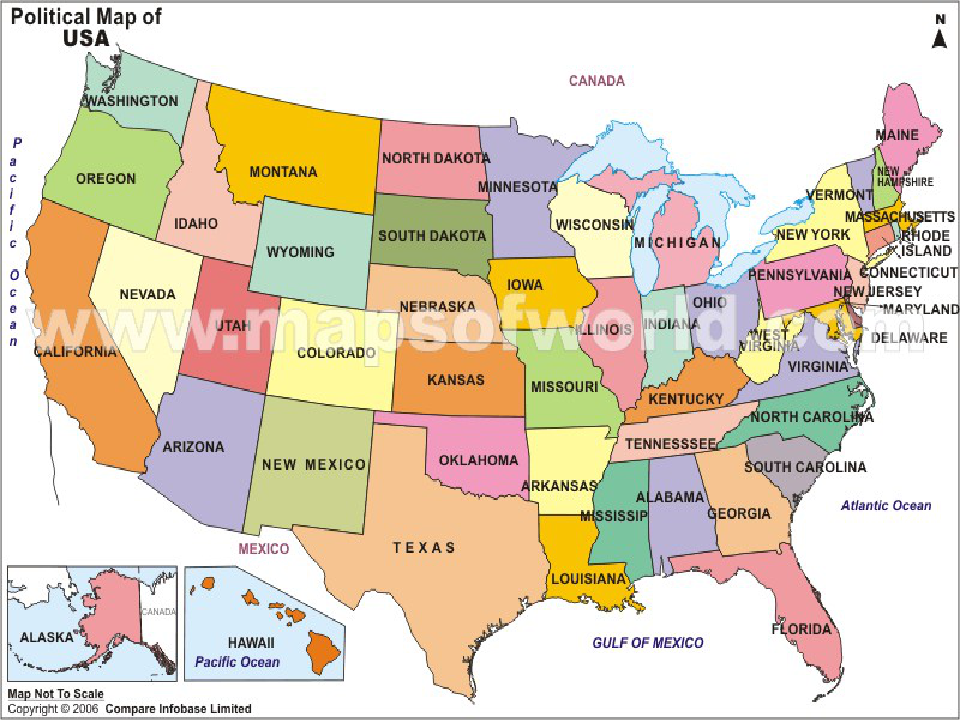

“The Libido for the Ugly” is a piece of subjective, impressionistic or emotional description. In this strong impressionistic or highly emotional piece of description, ugliness, as the dominant  impression, stands out vividly and prominently.

3.2 Text Organization 

Part I  (para 1~2) 

the general impression of Westmoreland  rich and ugly

Part II  (para 3~5)

the description of the design and color of the houses

Part III (para. 6~8) 

the reason and cause why the people in Westmoreland love such ugly houses

Part IV (para. 9):Conclusion

Mencken is being very critical of the American race and the American society, which hates beauty as well it hates truth

3.3 Thesis

 ---By revealing the ugliness of Westmoreland,the author attacks the whole American race--- a race that loves ugliness for its own sake, that lusts to make the world intolerable; a race which hates beauty as it hates truth. 

Why?

He wants to demonstrate that what he describes has psychological and scientific foundation. Usually, people love things beautiful, but a group of people in the US love things ugly for its own sake (because they are ugly) Why? There must be some scientific and psychological reasons.