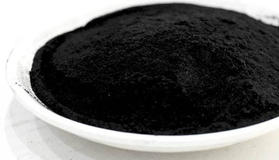
煤的元素分析(Ultimate analysis of coal)主要是测定煤中碳(Carbon)、氢(Hydrogen)、氧(Oxygen)、氮(Nitrogen)、硫(Sulfur)等主要元素的含量,通过这些元素的含量数据,可以深入了解煤的化学组成、变质程度以及在不同加工利用过程中的行为特性。
Ultimate analysis of coal mainly involves determining the contents of major elements such as carbon, hydrogen, oxygen, nitrogen, and sulfur in coal. Through the data on the contents of these elements, we can gain an in-depth understanding of the chemical composition, metamorphic degree of coal, as well as its behavioral characteristics in different processing and utilization processes.
Mt+Aar+Car+Har+Oar+Nar+Sc,ar=100
Mad+Aad+Cad+Had+Oad+Nad+Sc,ad=100
Ad+Cd+Hd+Od+Nd+Sc,d=100
Cdaf+Hdaf+Odaf+Ndaf+Sc,daf=100
碳(Carbon)
①含量及意义:碳是煤中最主要的可燃元素,也是煤发热量的主要来源。随着煤化程度的加深,碳含量逐渐增加。在泥炭中,碳含量一般为 50% - 60%;褐煤中碳含量约为 60% - 70%;烟煤中碳含量为 70% - 90%;无烟煤中碳含量最高,可达 90% - 98% 。 Content and Significance: Carbon is the most important combustible element in coal and the main source of its calorific value. As the degree of coalification deepens, the carbon content gradually increases. In peat, the carbon content is generally 50% - 60%; in lignite, it is about 60% - 70%; in bituminous coal, it ranges from 70% - 90%; and in anthracite, the carbon content is the highest, reaching 90% - 98%.
②测定方法:常用的是重量法中的高温燃烧法,将煤样在氧气流中高温燃烧,使煤中的碳完全转化为二氧化碳( CO 2 ),然后用吸收剂(如氢氧化钡溶液)吸收二氧化碳,根据吸收剂增加的重量计算煤中碳的含量。反应原理为: 高 温 , Ba(OH) 2 +CO 2 =BaCO 3 ↓+H 2 O 。 Determination Method: The high - temperature combustion method in the gravimetric method is commonly used. The coal sample is burned at high temperature in an oxygen stream to completely convert the carbon in the coal into carbon dioxide ( CO 2 ). Then, an absorbent (such as barium hydroxide solution) is used to absorb the carbon dioxide. The carbon content in the coal is calculated based on the increased weight of the absorbent. The reaction principles are: 高 温 and Ba(OH) 2 +CO 2 =BaCO 3 ↓+H 2 O .
氢(Hydrogen)
①含量及意义:氢是煤中仅次于碳的可燃元素,其发热量约为碳的 4 倍。煤中氢含量一般在 2% - 6% 之间,随着煤化程度的提高,氢含量逐渐降低。氢含量的高低对煤的燃烧性能和热加工过程有重要影响,例如在煤液化过程中,氢参与反应使煤转化为液体燃料。 Content and Significance: Hydrogen is the combustible element in coal second only to carbon, and its calorific value is about 4 times that of carbon. The hydrogen content in coal is generally between 2% - 6%, and it gradually decreases as the degree of coalification increases. The level of hydrogen content has an important impact on the combustion performance and thermal processing of coal. For example, in the coal liquefaction process, hydrogen participates in the reaction to convert coal into liquid fuel.
②测定方法:同样采用高温燃烧法,煤样燃烧后,氢元素转化为水蒸气( H 2 O ),通过无水氯化钙等干燥剂吸收水蒸气,根据干燥剂增加的重量计算氢的含量 。 Determination Method: The high - temperature combustion method is also used. After the coal sample is burned, the hydrogen element is converted into water vapor ( H 2 O ). The water vapor is absorbed by a desiccant such as anhydrous calcium chloride, and the hydrogen content is calculated based on the increased weight of the desiccant.
氧(Oxygen)
①含量及意义:氧是煤中的不可燃元素,其含量随煤化程度的加深而显著降低。褐煤中氧含量较高,可达 20% 左右;无烟煤中氧含量仅 1% - 3% 。氧在煤中主要以有机物的形式存在,如含氧官能团(羟基、羧基等)。氧含量影响煤的氧化特性,含量高的煤容易发生氧化和自燃,不利于储存。 Content and Significance: Oxygen is a non - combustible element in coal, and its content decreases significantly as the degree of coalification deepens. The oxygen content in lignite is relatively high, reaching about 20%; the oxygen content in anthracite is only 1% - 3%. Oxygen mainly exists in coal in the form of organic matter, such as oxygen - containing functional groups (hydroxyl groups, carboxyl groups, etc.). The oxygen content affects the oxidation characteristics of coal. Coal with a high oxygen content is prone to oxidation and spontaneous combustion, which is not conducive to storage.
②测定方法:一般不直接测定氧的含量,而是通过差减法计算,即从 100% 中减去测得的碳、氢、氮、硫及灰分和水分的含量,得到氧的含量。 Determination Method: Generally, the oxygen content is not directly determined. Instead, it is calculated by the difference method, that is, subtracting the measured contents of carbon, hydrogen, nitrogen, sulfur, ash, and moisture from 100% to obtain the oxygen content.
氮(Nitrogen)
①含量及意义:煤中氮含量一般在 0.5% - 2% 之间,主要来源于成煤植物中的蛋白质和其他含氮化合物。在煤燃烧过程中,氮会转化为氮氧化物( NO x ),是大气污染物之一,会形成酸雨、光化学烟雾等危害环境和人体健康。 Content and Significance: The nitrogen content in coal is generally between 0.5% - 2%, mainly derived from proteins and other nitrogen - containing compounds in coal - forming plants. During the coal combustion process, nitrogen is converted into nitrogen oxides ( NO x ), which is one of the atmospheric pollutants and can form acid rain, photochemical smog, etc., endangering the environment and human health.
②测定方法:常用的是开氏法,将煤样与浓硫酸和催化剂(如硫酸铜、硫酸钾)一起加热消化,使煤中的氮转化为硫酸铵,然后加入氢氧化钠溶液进行蒸馏,将氨蒸出并用硼酸溶液吸收,最后用标准酸溶液滴定,根据酸的用量计算氮的含量 。 Determination Method: The Kjeldahl method is commonly used. The coal sample is heated and digested together with concentrated sulfuric acid and catalysts (such as copper sulfate, potassium sulfate) to convert the nitrogen in the coal into ammonium sulfate. Then, sodium hydroxide solution is added for distillation, the ammonia is distilled out and absorbed by boric acid solution, and finally, a standard acid solution is used for titration. The nitrogen content is calculated based on the amount of acid used.
硫(Sulfur)
①含量及意义:硫是煤中的有害元素,煤中硫含量一般在 0.5% - 5% 之间。硫在燃烧时会生成二氧化硫( SO 2 ),排放到大气中会造成酸雨,腐蚀建筑物、危害植物生长等;在炼焦过程中,硫会进入焦炭,影响焦炭质量,进而影响钢铁冶炼的质量 。 Content and Significance: Sulfur is a harmful element in coal, and the sulfur content in coal is generally between 0.5% - 5%. When sulfur is burned, it generates sulfur dioxide ( SO 2 ), which is emitted into the atmosphere and can cause acid rain, corrode buildings, and harm plant growth, etc. During the coking process, sulfur enters the coke, affecting the coke quality and then the quality of iron and steel smelting.
②测定方法:常用艾士卡法,将煤样与艾士卡试剂(由氧化镁和无水碳酸钠按一定比例混合而成)混合后在高温下灼烧,使煤中的硫转化为可溶性的硫酸盐,然后通过沉淀、过滤、滴定等操作,测定硫酸钡沉淀的质量,从而计算出硫的含量 。 Determination Method: The Eschka method is commonly used. The coal sample is mixed with Eschka reagent (composed of magnesium oxide and anhydrous sodium carbonate in a certain proportion) and then burned at high temperature to convert the sulfur in the coal into soluble sulfate. Then, through operations such as precipitation, filtration, and titration, the mass of barium sulfate precipitate is determined, and thus the sulfur content is calculated. 煤的元素分析对于煤炭的合理利用至关重要,比如在选择煤炭用于不同的工业生产时,元素分析数据可以帮助企业选择合适的煤种,优化生产工艺,减少污染物排放,提高经济效益和环境效益 。 Ultimate analysis of coal is crucial for the rational utilization of coal. For example, when selecting coal for different industrial productions, the data from ultimate analysis can help enterprises choose suitable coal types, optimize production processes, reduce pollutant emissions, and improve economic and environmental benefits.

