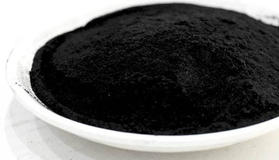
煤的工业分析(Proximate analysis of coal) :水分(Moisture)、灰分(Ash content)、挥发分(Volatile matter)和固定碳(Fixed carbon)。
① Mt+Aar+Var+FCar=100
②Mad+Aad+Vad+FCad=100
③ Ad+Vd+FCd=100
④ Vdaf+FCdaf=100
水分(Moisture)
①定义:煤中水分分为外在水分(External moisture)和内在水分(Internal moisture)。外在水分是附着在煤颗粒表面和大毛细孔中的水分,通过自然干燥可除去;内在水分是吸附或凝聚在煤颗粒内部小毛细孔中的水分,需在一定温度下烘干才能除去。Definition: Moisture in coal is divided into external moisture and internal moisture. External moisture adheres to the surface of coal particles and in large pores, and can be removed by natural drying; internal moisture is adsorbed or condensed in small pores inside coal particles and requires drying at a certain temperature to remove.
②测定方法:一般采用空气干燥法,将一定量的空气干燥煤样置于(105 - 110)℃的干燥箱中干燥至恒重,根据煤样失重计算水分含量。Determination Method: The air - drying method is commonly used. Place a certain amount of air - dried coal sample in a drying oven at (105 - 110) °C until constant weight, and calculate the moisture content based on the weight loss of the coal sample.
③对煤利用的影响:水分含量高会降低煤的有效热值,增加运输成本;在燃烧时,水分蒸发会吸收热量,降低燃烧效率;在储存过程中,水分过高可能导致煤的氧化、自燃,还会影响煤炭的制浆性能(如在水煤浆制备中)。 Impact on Coal Utilization: High moisture content reduces the effective calorific value of coal and increases transportation costs; during combustion, moisture evaporation absorbs heat, reducing combustion efficiency; during storage, excessive moisture may cause coal oxidation, spontaneous combustion, and also affect the coal slurry - making performance (e.g., in coal water slurry preparation).
灰分(Ash Content)
①定义:灰分是煤在规定条件下完全燃烧后残留的固体残渣,是煤中矿物质(如黏土、页岩、碳酸盐、硫化物等)在燃烧过程中经过一系列复杂的物理和化学变化后形成的。 Definition: Ash content is the solid residue remaining after coal is completely burned under specified conditions. It is formed from minerals in coal (such as clay, shale, carbonate, sulfide, etc.) through a series of complex physical and chemical changes during combustion.
②测定方法:缓慢灰化法是常用方法,将煤样放入马弗炉中,以规定的升温速度加热到(815 ± 10)℃,并在此温度下灼烧至恒重,根据残留残渣质量计算灰分含量。 Determination Method: The slow ashing method is commonly used. Place the coal sample in a muffle furnace, heat it to (815 ± 10) °C at a specified heating rate, and burn it at this temperature until constant weight. Calculate the ash content based on the mass of the residual residue.
③对煤利用的影响:灰分含量高会降低煤的发热量,影响燃烧性能;在煤炭气化和液化过程中,灰分可能导致设备结渣、堵塞管道,增加设备磨损和维护成本;在电力行业,灰分排放会增加粉尘污染,还会影响粉煤灰的综合利用(如用于建筑材料生产时,过高的灰分可能影响产品质量)。 Impact on Coal Utilization: High ash content reduces the calorific value of coal and affects combustion performance; during coal gasification and liquefaction, ash may cause equipment slagging, pipeline blockage, and increase equipment wear and maintenance costs; in the power industry, ash emissions increase dust pollution and also affect the comprehensive utilization of fly ash (e.g., excessively high ash content may affect product quality when used in building material production).
挥发分(Volatile Matter)
①定义:挥发分是指煤在隔绝空气的条件下,在一定温度(一般为 900℃)下加热一定时间后,煤中有机物质分解出来的气体和蒸汽的产物,主要包括碳氢化合物、氢气、一氧化碳等。 Definition: Volatile matter refers to the gaseous and vapor products decomposed from organic matter in coal after heating at a certain temperature (usually 900 °C) for a certain time under the condition of isolating air. It mainly includes hydrocarbons, hydrogen, carbon monoxide, etc.
②测定方法:称取一定量的空气干燥煤样,放入带盖的瓷坩埚中,在(900 ± 10)℃的高温炉中隔绝空气加热 7 分钟,根据煤样加热后的失重减去该煤样的水分含量,计算出挥发分产率。 Determination Method: Weigh a certain amount of air - dried coal sample, place it in a covered porcelain crucible, heat it in a high - temperature furnace at (900 ± 10) °C in the absence of air for 7 minutes. Calculate the volatile matter yield by subtracting the moisture content of the coal sample from the weight loss of the coal sample after heating.
③对煤利用的影响:挥发分是判断煤的变质程度、煤种分类的重要指标之一。挥发分高的煤容易着火和燃烧,火焰长,但燃烧稳定性较差,且易产生黑烟;在炼焦过程中,挥发分含量合适才能保证焦炭质量;此外,挥发分还是煤气化和液化过程中重要的反应物质。 Impact on Coal Utilization: Volatile matter is one of the important indicators for judging the degree of coal metamorphism and coal type classification. Coal with high volatile matter is easy to ignite and burn, with a long flame, but poor combustion stability and prone to producing black smoke; during coking, an appropriate volatile matter content is required to ensure coke quality; in addition, volatile matter is also an important reactive substance in the process of coal gasification and liquefaction.
固定碳(Fixed Carbon)
①定义:固定碳不是煤中的固有成分,是计算得出的数值,即从测定煤的水分、灰分和挥发分后的剩余部分,可表示煤中有机质在除去挥发分后残留的固态碳含量。固定碳含量 = 100% - (水分 + 灰分 + 挥发分)。 Definition: Fixed carbon is not an inherent component in coal; it is a calculated value, that is, the remaining part after determining the moisture, ash content, and volatile matter of coal. It can represent the content of solid carbon remaining in the organic matter of coal after removing volatile matter. Fixed carbon content = 100% - (moisture + ash content + volatile matter).
②对煤利用的影响:固定碳含量越高,煤的发热量越高,燃烧持续时间长,热稳定性好,是评价煤质优劣的重要指标;在冶金工业中,固定碳是焦炭的主要成分,其含量直接影响焦炭的质量和高炉炼铁的效果。 Impact on Coal Utilization: The higher the fixed carbon content, the higher the calorific value of coal, the longer the combustion duration, and the better the thermal stability. It is an important indicator for evaluating coal quality; in the metallurgical industry, fixed carbon is the main component of coke, and its content directly affects the quality of coke and the effect of blast furnace ironmaking.
煤的工业分析为煤炭的贸易、加工利用、燃烧设备设计等提供了重要的基础数据。在实际应用中,还常结合煤的元素分析(如碳、氢、氧、氮、硫含量测定)、发热量测定等,更全面深入地了解煤的性质和品质 。 Proximate analysis of coal provides important basic data for coal trade, processing and utilization, and combustion equipment design. In practical applications, it is often combined with ultimate analysis of coal (such as determination of carbon, hydrogen, oxygen, nitrogen, and sulfur contents) and calorific value determination to understand the properties and quality of coal more comprehensively and in - depth.

