-
1 学习导航
-
2 视频
-
3 学习资料
I. Learning Objectives
1. Learn how to make an introduction about Chinese ancient tombs;
2. Get some practical words, phrases and expressions about the introduction to Chinese ancient tombs;
3. Perform an introduction to Chinese ancient tombs.
II. Learning Requirements
1. Discuss on the preview questions on Section III.
2. Finish studying 2 videos given in 4.7.
3. Finish 5 exercises in 4.7.
4. Finish the extra reading.
III. Preview Questions
1. Why is a person’s tomb extremely important in Chinese’s eyes?
2. What does a typical ancient tomb consist of?
3. What do you usually think about while visiting an ancient tomb?
4. What do you know about Emperor Qin Shihuang? How was he judged as an emperor?
IV. Key Words
1.representative 典型的
2.mausoleum 陵墓
3.architecture 建筑学
4.archaeologist 考古学家
5.uncover 发现
6.investigate 研究
7.unforeseen 无法预料的
8.millennia-old 一千年的
9.excavation 发掘
10.significance 意义
11. cometo the throne 做皇帝
12. takethe helm 开始掌管
13.annex 并吞
14.locate 位于
15. atthe foot of 在……(山)脚下
16. beenclosed by 被……围住
17.archaeological 考古学上的
18.reveal 展现
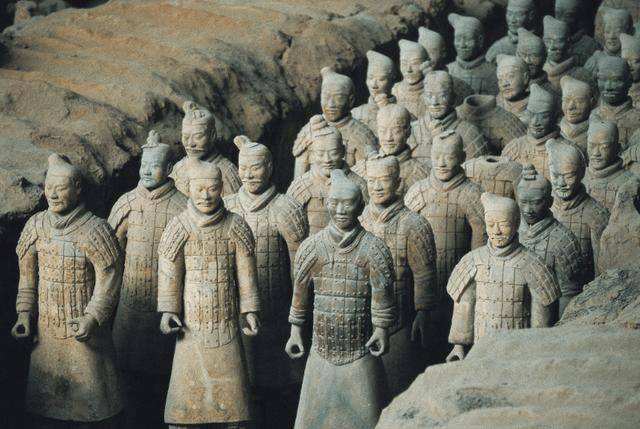
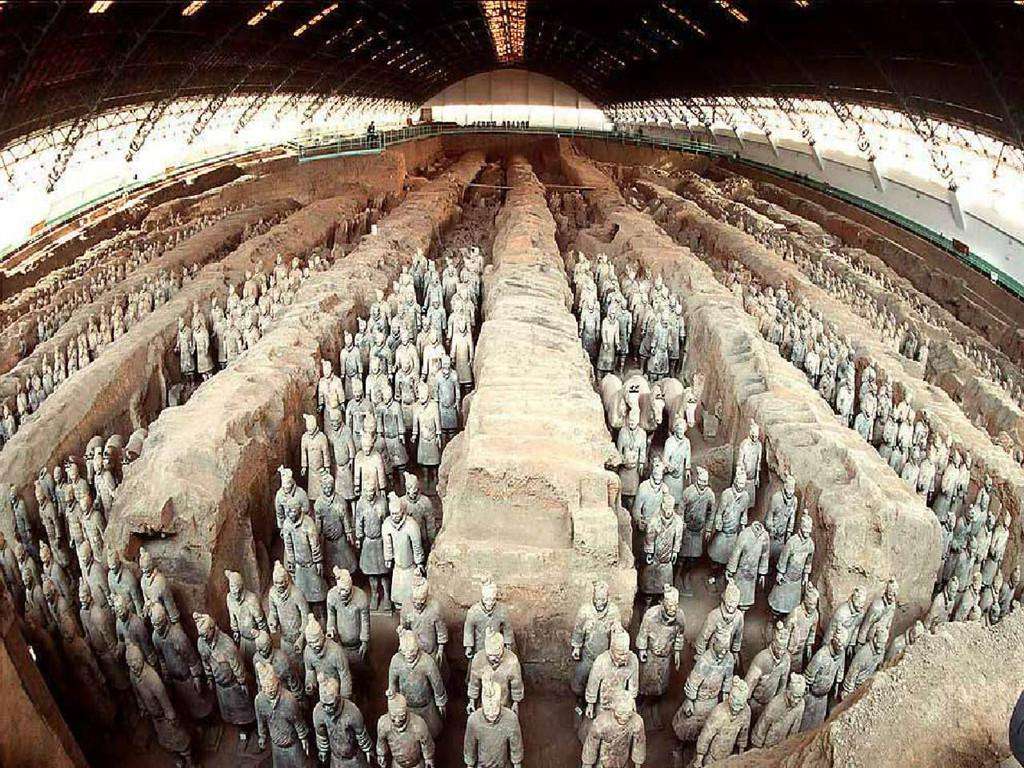
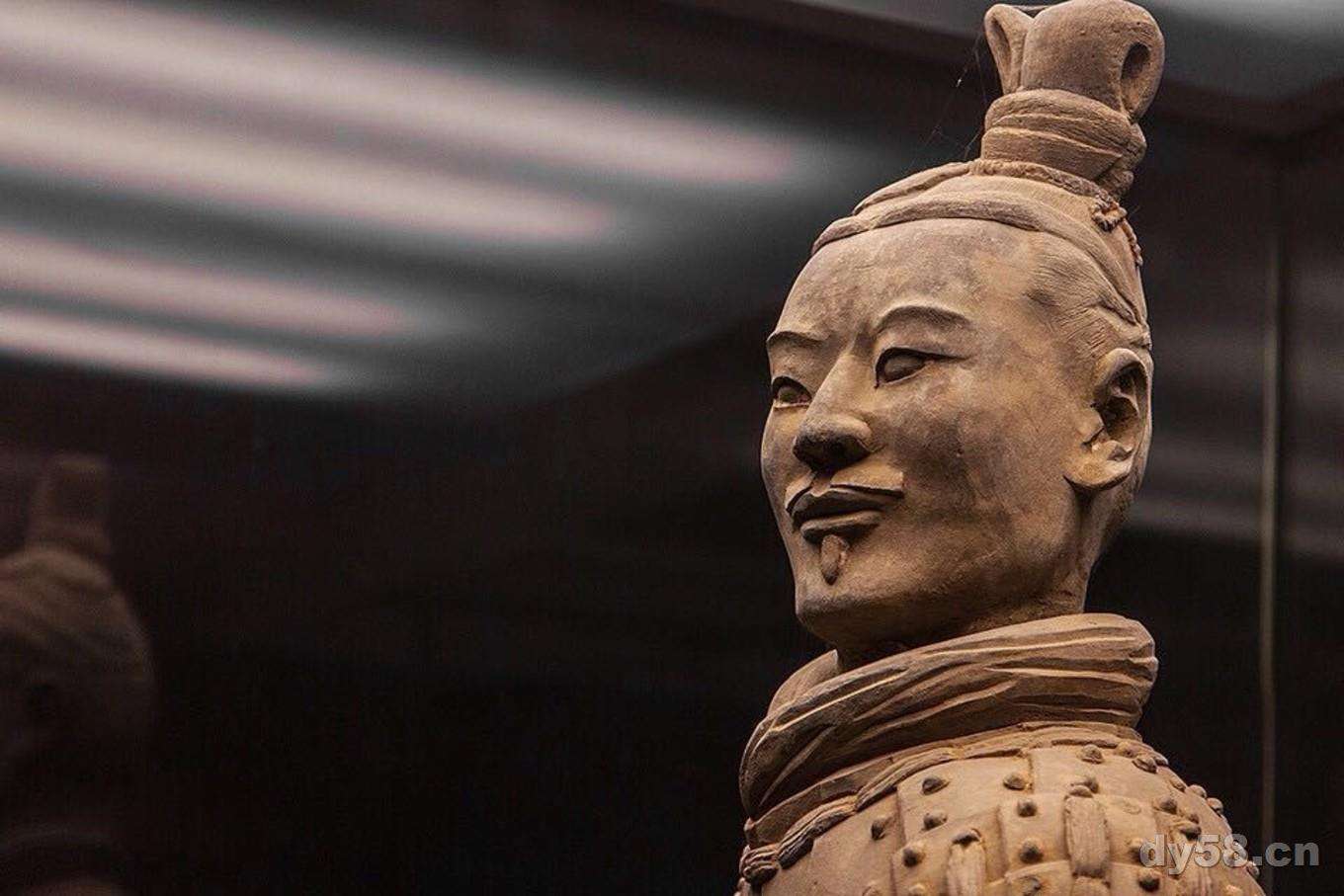
19.terracotta warrior 兵马俑
20.immortality 永生
21. beof quality 具有……的质量
22.provide for 为……提供……
V. Extra Reading
The Ancient Tombs at Longtou Mountain are the burial sites of twelve royal figures from Balhae. It is located on Longtou Mountain, southeast of Toudao Town in Helong, Jilin Province, China, a region possibly called the “Western Field of the Ran Valley” by the Balhae people. The Mausoleum of Princess Jeonghyo is located here.
The first excavations at Longtou Mountain were conducted in 1980 by the Yanbian Korean Autonomous Prefecture Museum of Jilin. They excavated the Mausoleum of Princess Jeonghyo in the Dragon Sea section. At the same time, members of the museum, in addition to other organisations, conducted a survey of a 7.5 km2 area. Local archaeologists were also invited to conduct test excavations on some of the other tombs, which produced various precious artefacts.
In 1982, the Yanbian Museum excavated seven tombs in the Dragon Sea area. All seven were clustered quite close together, but the tomb rooves had already collapsed. Some tombs cut through older tombs. Two of these tombs contained two people, who had been interred at the same time; four tombs contained two people, who had been interred one after the other; one tomb contained four people, one of whom was first interred, followed by the other three on a separate occasion. In the cases of a secondary burial, the second person was placed on top of the first body’s head or feet.