
跳水运动
1.历史渊源
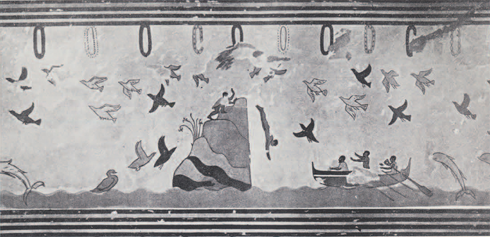
应该说从人类掌握了游泳技能后,就开始有了简单的跳水活动。既可以体验翱翔空中的感觉,也无头触硬地的性命之虞,所以早在公元前五世纪,古希腊花瓶上就有描绘一群小男孩爬上高崖头朝下作扎猛子状的图案。中国在宋代出现了名为“水秋千”的简单跳水器械。17世纪,在斯堪的纳维亚半岛、地中海、红海沿岸一带的港口,盛行从岸上、桅杆上跳入水中的活动。同时瑞典与德国的体操运动员为了要安全的在空中练习空翻动作,也在水边的高架上练习。
尽管跳水自古以来就是世界范围内的一种消遣活动,但第一届现代跳水比赛还是在1880年代在英格兰举行的。现代跳水运动的确切起源尚无法溯源,但可能源于游泳比赛时的出发动作。
2.奥运会跳水比赛
跳台跳水
跳台跳水比赛可在5米、7.5米和10米跳台上进行,但是奥运会、世界锦标赛及世界杯赛等国际重要的跳水比赛中,只有10米跳台比赛。 在男子跳台比赛:跳水比赛跳6个动作,其中无难度系数限制的6个动作从不同组别中选出。 女子跳台:跳水比赛跳5个动作,无难度系数限制的5个动作从不同组别中选出。
跳板跳水
双人同步跳水
女子双人跳台/跳板跳水比赛跳5个动作,其中首两个基本动作不论难度系数多少均定为2.0,及无难度系数限制的3个动作。5个动作需由5个不同组别选出;男子双人跳台/跳板跳水比赛跳6个动作,其中首两个基本动作不论难度系数多少均定为2.0,及无难度系数限制的4个动作。6个动作需从5个不同组别选出;双人跳台/跳板跳水比赛 运动员需两人同时演出双同的动作(包括空中姿势)。另外,双人跳板跳水比赛中所有向前动作均需使用走板方式完成动作(向前及反身及转体动作向前动作)。
跳水背后的科学原理
跳水动作编号
1~4组动作的号码均采用3位数。第一个数代表动作组别;第二个数代表飞身动作(如果第二位数是“0”,则表示没有飞身动作)8第三个数代表翻腾周数(以“1”为半周,“2”为一周,“3”为一周半,以此类推)。例如“201”,表示第二组动作:向后跳水翻转半周;“305”,表示第三组动作:反身翻腾两周半;“113”,表示向前飞身翻腾一周半。
第5组转体动作采用4位数。第一位数表示第5组(特指转体跳水);第二位数表示翻腾的方向;第三位数表示翻腾周数;第四位数表示转体周数,计算方法同前。例如:“5136”这个动作中,“5”表示第5组转体跳水,“1”表示用第1组向前跳水的方向完成翻腾转体,“3”表示翻腾一周半,“6”表示转体三周。再如“5337”这个动作,是指第5组转体动作,采用第3组反身跳水方向完成翻腾转体,翻腾一周半,转体三周半。
第6组臂立动作也采用3位数。第一位数表示第6组(特指臂立跳水);第二位数表示臂立跳水的方向;第三位数表示翻腾周数(计算方法同上)。例如“614”动作中“6”表示第6组臂立跳水,“1”表示采用第一组向前跳水方向翻腾,“4”表示翻腾两周。再如“632”,是指第6组的臂立跳水动作,用反身跳水方向翻腾一周。
跳水比赛评分规则
单人项目中,由七位裁判组成的一个裁判组对每一个动作进行评判。预赛中,由于需要评判的动作众多,将派出两个裁判组。第一个裁判组负责前三轮动作的评判,第二个裁判组负责剩余动作的评判。
在计算动作得分时,将去掉两个最高分和两个最低分。剩余三位裁判给出的分数相加并乘以难度系数(DD)。
在双人跳水项目中,每一场决赛的裁判工作将由11位裁判组成的裁判组负责。该裁判组被分为三个小组,3人评定一名运动员的技术分(E1、 E2、 E3),3人评定另外一名运动员的技术分(E4、E5、E6)。剩余5人评定动作的同步分(S1-S5)。
每个裁判小组内的最高分与最低分将不计入动作得分。剩余五位裁判给出的分数相加并乘以难度系数(DD)。
如果有多位选手名次为晋级末位,则选手都将晋级下一阶段比赛。如果出现排名相同或并列获得奖牌的情况,则平局选手将并列排名并/或全部获得奖牌。
3.高空跳水
高空跳水是从较高的高度跳入水中的运动。 高空跳水可以作为一项冒险运动(如进行悬崖跳水),特技表演(如打破世界纪录)进行,也可以在体育赛事中进行。 高空跳水作为一项运动首次亮相于2013年巴塞罗那世界水上锦标赛。在世界锦标赛中,男子从27米高(89英尺)的平台上跳下来,女子则从20米高(66英尺)的平台上跳下来。 在其他官方比赛中,男子通常从22-27米(72-89英尺)的高度跳水,而女子则从18-23米(59-75英尺)的高度跳水。 这项运动的独特之处在于,运动员通常要等到比赛开始的几天才能在真实的环境中练习。 国际泳联FINA已将高台跳水定为一项与常规跳水比赛分开的运动,并有相应的游泳池及高台进行比赛(中国的肇庆建有高台跳水比赛场地承办了国际泳联高台跳水世界杯,见下图)。 而每年一次由红牛主办的悬崖跳水世界巡回赛则是从各种各样的户外地点进行高空跳水,包括城堡,悬崖,塔楼,桥梁等。

国际泳联高台跳水(High Diving)
国际泳联高台跳水竞赛规则
悬崖跳水竞赛
红牛悬崖跳水世界巡回赛比赛规则
Men perform 4 dives from a height ranging from 26–28m. There are a total of nine groups (front, back, reverse, inward, front twists, back twists, reverse twists, inward twists, and all armstand dives).
The two required dives must be performed from different take-off positions. There are 5 take-off positions (front, back, reverse, inward, and armstand). The degree of difficulty for each required dive is 3.6. To clarify: front double half twist and front double 1½ twist are different groups, but the same take-off position. If a dive has less degree of difficulty, it will still be 3.6.
The two optional dives must be from different groups from the 9 groups mentioned above. In addition, the optional dives must be done in alternating order every competition.
A list of dives for each diver shall consist of two required dives of a fixed degree of difficulty for every athlete (3.6), and two optional dives assigned a degree of difficulty computed from the 2010 HDA table.
The first required dive will be done after a short warm-up on the second training day. This is already part of the competition and will count 100 percent towards the total score. After this first round of dives, training can resume. The next day will have a short warm-up period followed by 2 dives (one required, one optional dive) in a head-to-head format.
The final dive will be done by the top 8 divers (winners head-to-head plus one lucky loser) in reverse order according to their cumulative score from the first 3 dives.
Balks will receive a 2-point deduction from each judge for the first balk. Another 2-point deduction for the second balk and be considered a failed dive on the third balk. A balk is considered an interruption in movement after the diver does his press immediately before the dive. For armstand dives, it is the point when both feet leave the platform (use FINA definitions).
Running take-offs on forwarding dive groups (including twists) are allowed, given there is enough space for the approach.
If the diver enters the water with his hands upon a feet-first entry, he can only get a maximum score of 5 points from each judge. The 5 points would mean a perfect execution of the entire dive with the exception of the arms. If arms are at or below shoulder height but not in alignment with the body (straight arms either in front or on the side of the body), judges can deduct between ½ to 2 points at their discretion according to the degree of the mistake.
A break in position at or just before entry can have a deduction of ½ to 2 points at the judges' discretion. An intermediate break of position can receive no more than 4.5 points from each judge. If a dive is done in a completely different position than announced: for example back triple tuck instead of back triple pike, the dive can only receive a maximum of 2 points.
All dives submitted in a list must consist of at least 180 degrees of rotation around a horizontal axis.
死亡跳水竞赛(Death Diving)
Death diving or Norwegian Døds is an amateur diving sport. The World Championship is played on a 10-meter high platform. There are different games for classic and freestyle. In the classic event, the competitors should fly horizontally with X-shaped arms and legs until they hit the water. Participants will bend into a fetal position before entering the water and use their feet, knees, and elbows to break the surface tension to avoid serious injury. The dive situation is judged by how long the diver maintains the original posture. In Freestyle Døds, competitors do various tricks when they travel in the air, hence the name. This sport is not registered as a subject in the Norwegian Swimming Federation. Obviously, Rejected because it is both STUPID and DANGEROUS!

An X-formation posture
挑战世界记录极限高空跳水
户外极限悬崖跳水

