1 Criticism comes in various forms and from various sources. It could come from your parents, your boss, your friends, or your teachers. No matter who makes the negative comments or how they’re said, criticism stings. We feel hurt, we get angry, and we get defensive! But criticism isn’t necessarily a bad thing. As author Norman Vincent Peale once said, “The trouble with most of us is that we would rather be ruined by praise than saved by criticism.”
2 The question isn’t if we will be criticized. The question is: How will we handle it when we are?
A Learning Tool
3 When your teacher makes corrections in the margin of your English essay, when your parent says your bedroom isn’t as tidy as it should be, when your boss says you’ve misfiled some documents — these are all criticisms. Your teacher isn’t attacking you personally; she wants to help you express yourself because she knows the importance of proper grammar in the business world you may soon be entering. Your parent is trying to teach you to be more organized. Your boss wants you to be able to find the document again with relative ease. All of these criticisms have one purpose — to teach you something.
A Valid Question
4 In order to learn from criticism, it is essential to determine whether the criticism is valid. Is it constructive criticism? What is the motivation of the person doing the criticizing?
5 Sometimes criticism is really just someone else’s opinion. Your mom thinks you look better with short hair; you prefer it long. Those are opinions. And opinions, even when different from your own, are not necessarily a bad thing. Different perspectives allow us to make informed decisions and learn from new ideas.
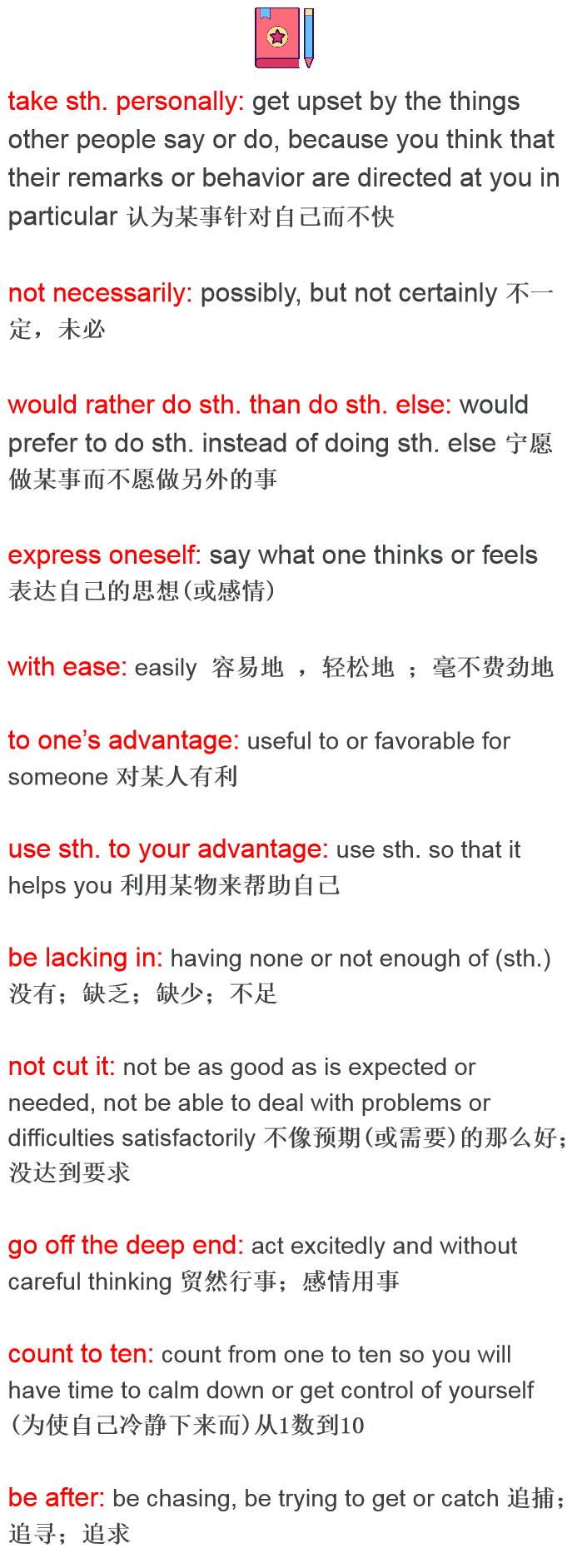
6 You have to decide if a criticism simply reflects the critic’s personal preference, or if it’s a valid criticism you can use to your advantage.
7 If you are criticized for an error you’ve made at your after-school job, don’t shift blame or make excuses. Accept responsibility for the error and learn from your mistake. Try not to take the criticism personally. When criticism is informed and constructive, it actually can help you succeed.
Details, Details, Details
8 Sometimes criticism is so vague or general, you aren’t sure exactly what it is that displeases someone. For example, when you finally land the job of your dreams, your boss might criticize a report you’ve done by saying, “This just doesn’t cut it.” That could mean almost anything. Without a clarification of the problem, it will be very difficult for you to rectify it.
9 Ask for specifics. Is the report too wordy? Not enough detail? Does it need more statistics? Is it lacking in content or conclusions?
10 Naturally, you hoped your boss would be happy with the report. And if you believe you’ve done a great job, any criticism will sting. Your first instinct will probably be to defend yourself. After all, you put hours into that report. You thought you’d done some pretty good research, found some interesting sources, and drawn some spectacular conclusions. Wait! Don’t go off the deep end! Count to 10!
11 Criticism, especially from a boss, can make you feel insecure. But that isn’t the result your boss is after. He wants the report done differently. Since you are the person who will be doing these reports, he has to let you know how he wants it done. If you don’t understand what he wants, ask.
The Facts of Life
12 It’s important to accept criticism as a fact of life. Avoiding or fearing it is no way to deal with it. If you worry constantly that you might be criticized, you won’t get anything done. You may never be promoted; your boss may see you as someone without initiative or drive.
13 Criticism can deflate your ego and lower your self-esteem, unless you learn to respond to it positively. Ignore it when it’s inappropriate. Learn from it when it is justified.
(619 words)


1.It could come from your parents, your boss, your friends, or your teachers.
它可能来自你的父母、你的老板、你的朋友或你的老师。
本句中, could是情态动词而非实义动词过去式,不表示过去一般的能力,而表示对现在或将来的推测,表示可能性,用could使语气更委婉些。
2.The trouble with most of us is that we would rather be ruined by praise than saved by criticism.
我们大多数人的问题在于我们宁愿被赞扬毁灭也不愿被批评拯救。
would rather (do sth.) than (do sth. else)的句型表示“宁愿…而不愿…,与其…宁可…”的意思,than后接不带to的动词不定式。若than后面的动词相同,那么相同的部分可以省略。此句would rather be ruined by praise than (be) saved by criticism中,省略了be。此外,使用would rather… than…句型时要用“平行结构”,即在than 的前后要用两个同类的词或词组,如两个名词、两个不定式、两个介词短语等。更多例子见Structure练习部分。
3.The question is: How will we handle it when we are?
问题是:当我们受到批评时,我们将怎样对待它?
冒号通常用于对后面内容的介绍或解释。冒号之后的词可用大写或小写字母开头。如果冒号之后的词是另一个完整句子的开始,则用大写字母开头。反之,如果冒号之后的词只是句子的一部分,则用小写字母开头。本句子最后when we are应视作when we are criticized的省略形式。
4.When…, when…, when… — these are all criticisms.
当……时,当……时,当……时——这些都是批评。
句中破折号“—”后面的分句用于解释或概括前面所列举的内容。
5.All of these criticisms have one purpose — to teach you something.
所有这些批评都只有一个目的——教给你某种东西。
此句中的破折号用来表示和突出后面的同位语,即to teach you something。
6.What is the motivation of the person doing the criticizing?
进行批评的人其动机是什么?
此句中,现在分词短语doing the criticizing用作the person的后置定语,相当于定语从句who is doing the criticizing。
7.Your mom thinks you look better with short hair; you prefer it long.
你妈妈认为你理短发更好看;你则喜欢长发。
分号“;”用于并列分句之间,以分隔通常没有连词(and, but, or, nor, for)连接但关系密切的句子。此句中,如果不用分号,就应该用转折意思的连词but。又如课文第12段中:“You may never be promoted; your boss may see you as someone without initiative or drive.” 此句如果不用分号,则应该用表示递进关系的连词and。
8.Sometimes criticism is so vague or general, you aren’t sure exactly what it is that displeases someone.
有时候批评很模糊、很笼统,让你无法完全确定到底是什么使某人不满意。
此句中,逗号后面引出的是结果状语,省略了that。完整的句子应该是:Sometimes criticism is so vague or general that you aren’t sure exactly what it is that displeases someone.
9.He wants the report done differently.
他是想要你以另一种方式写这份报告。
句中want sth. done的意思是“要某人把某事做好”,不是动词前的主语自己去做。又如:
I want the work done at once.
我希望这件工作立刻完成。
10.It’s important to accept criticism as a fact of life.
把批评作为一种无可回避的现实来接受是很重要的。
句中的as是介词,意思是“作为,当作”。本段的最后一句话
“You may never be promoted; your boss may see you as someone without initiative or drive.”中的as也用作介词。又如:
She didn’t think much of him as a painter.
她对他作为一位画家评价不高。
11.Avoiding or fearing it is no way to deal with it.
回避批评或畏惧批评绝不是应对它的办法。
no way意为“当然不,绝不”。又如:
There’s no way to avoid it.
这是无法避免的。

 * Read the following paragraphs until you have learned them by heart.
Criticism comes in various forms and from various sources. It could come from your parents, your boss, your friends, or your teachers. No matter who makes the negative comments or how they’re said, criticism stings. We feel hurt, we get angry, and we get defensive! But criticism isn’t necessarily a bad thing. As author Norman Vincent Peale once said, “The trouble with most of us is that we would rather be ruined by praise than saved by criticism.”
The question isn’t if we will be criticized. The question is: How will we handle it when we are?