-
1 Article
-
2 Words and&nb...
-
3 Notes on&nbs...



1 If you found an unconscious person, what would you do? If you are anything like I was eight months ago, not much. I would have run for a telephone, called 9-1-1, and stared helplessly as I waited for the ambulance to arrive.
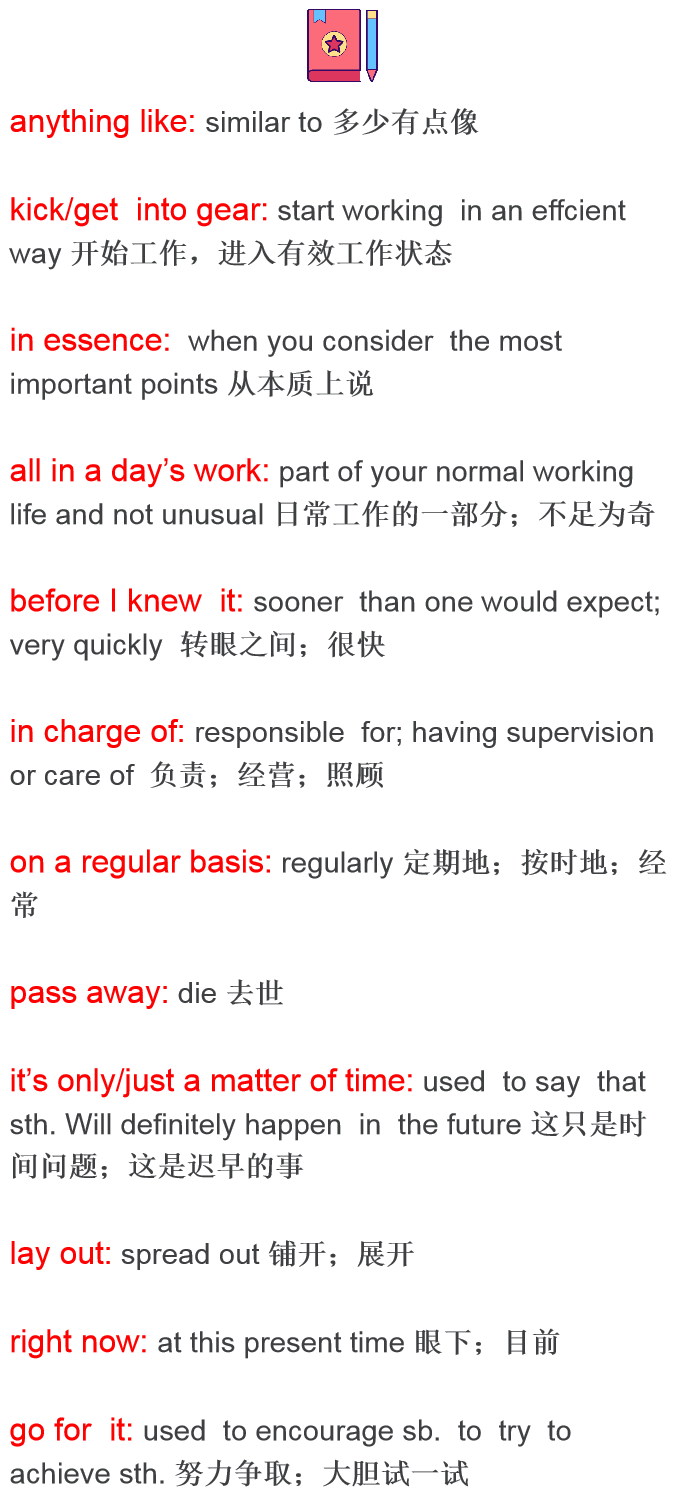
2 Today, however, my training would kick into gear. I would listen for breathing, putting my ear over the person’s mouth and looking for his or her chest to rise. I would feel for the person’s carotid pulse, which is found in the arteries of the neck. If I felt neither breathing nor a pulse, I would begin cardiopulmonary respiration, compressing the chest to manually pump the heart. I would do 30 chest compressions, deliver two breaths, and then continue the chest compressions. In essence, I would be keeping the person alive by manually putting oxygen into the lungs and pumping it through the body. I can do all of that because I am an emergency medical technician (EMT).
All in a Day’s Work
3 While I was doing a hospital rotation during my EMT training, an unconscious man was wheeled in on a stretcher. His crying wife and daughter came in behind him but were soon ushered out of the room. I watched as the nurse took a pair of scissors to his shirt and pants, and before I knew it the man was completely naked. Here was this man straining for life, naked on a hospital bed. The reality of the situation triggered an adrenaline rush in me, followed by an intense concentration.
4 The man was mumbling and breathing heavily as the nurses tried to wake him by rubbing his sternum. They pinched his toes and shook him, but all that came out of him was a weak groaning. One of the nurses ushered me over to the head of the stretcher and offered me the bag-mask breathing apparatus. I took it and began pumping it. I was artificially breathing for this man. I was in charge of feeding oxygen to his lungs, keeping him alive.
5 What a responsibility at 18 years old. I was holding someone’s life in my hands, breathing for him, living for him. What a scary yet beautiful thing.
Tonight’s Homework: Help Someon
6 I studied biology as a science credit for two years of high school, and the EMT course offered by my school seemed a logical step for me. While about half the course was learning about the body and processes of intervention, the other half was hands-on, practical application. We practiced intervention techniques on a regular basis, including CPR, splinting, backboarding, bandaging, spinal immobilization, and the administration of aspirin and glucose.
7 One thing I learned in my training is that part of being an EMT is learning how to deal with stress. While saving people’s live is uplifting, dealing with death can be a difficult thing. I have not yet witnessed anybody pass away, but several of my colleagues have experienced that during their training. I know it is only a matter of time before I see this myself. It has the potential to be a very traumatic experience. How can one prepare for that? I’m not sure how I will react.
8 What I do know is that to be prepared for anything, an EMT has to have a healthy lifestyle. One must exercise on a regular basis, get adequate sleep, and eat nutritious foods. When you’re an EMT, you have to be responsible and treat your own life with the same respect you bring to the job.
Looking Ahead
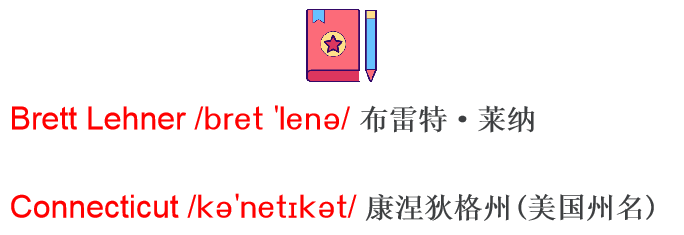
9 I will take my certification test at the end of the school year, and provided I pass, a number of possibilities will be laid out before me. I can join my local fire department as a volunteer EMT; I can apply for a job at a paid EMT service; or I can simply retain the knowledge and use it as necessary throughout my life. Right now, I’m attending the University of Connecticut as an English major. I am considering joining the on-campus EMT service. I have found training to become an EMT fulfilling and worthwhile, and I would encourage anyone who is interested in being an EMT to go for it!
(700 words)