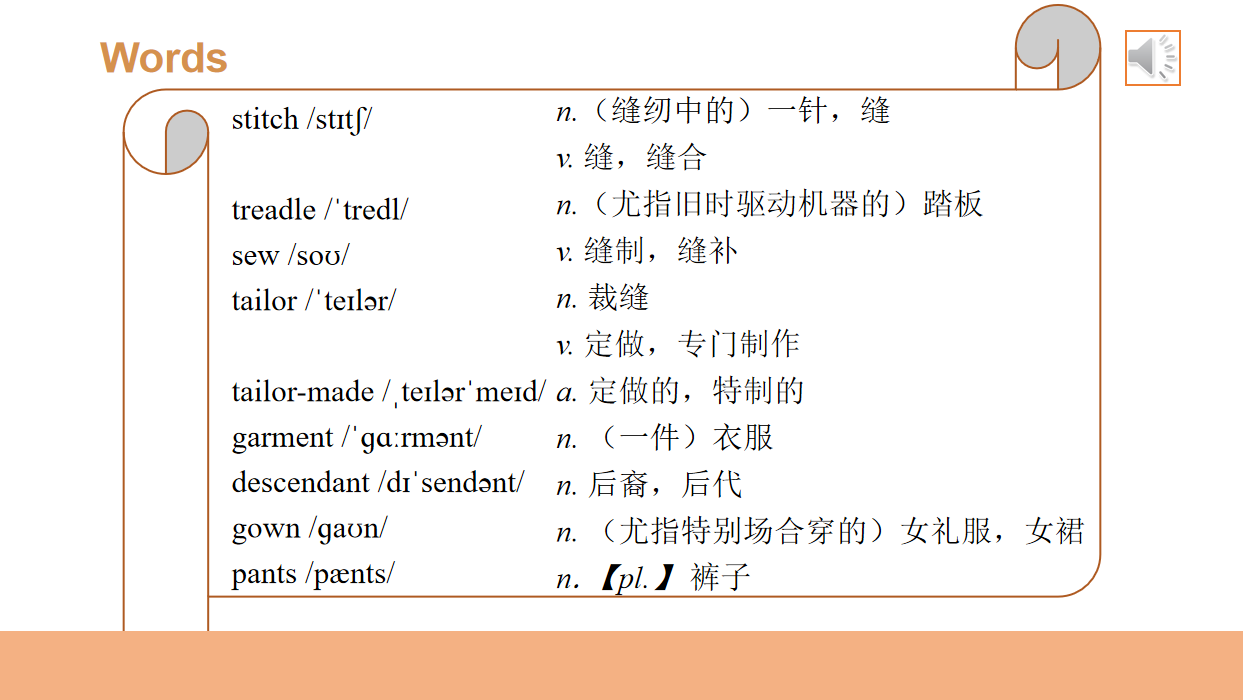
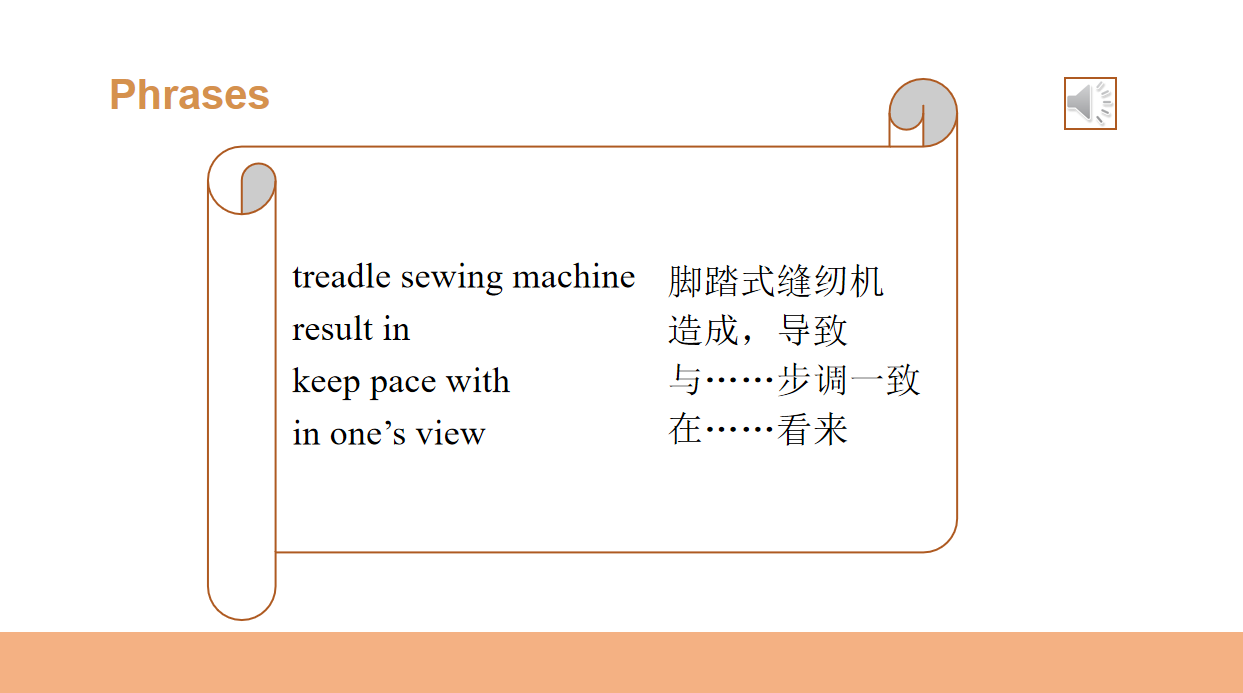
Zhang Jin’s day usually begins with the gentle clicks of a treadle sewing machine. Time slips by quickly as he sews tailor-made qipao for customers across the country.
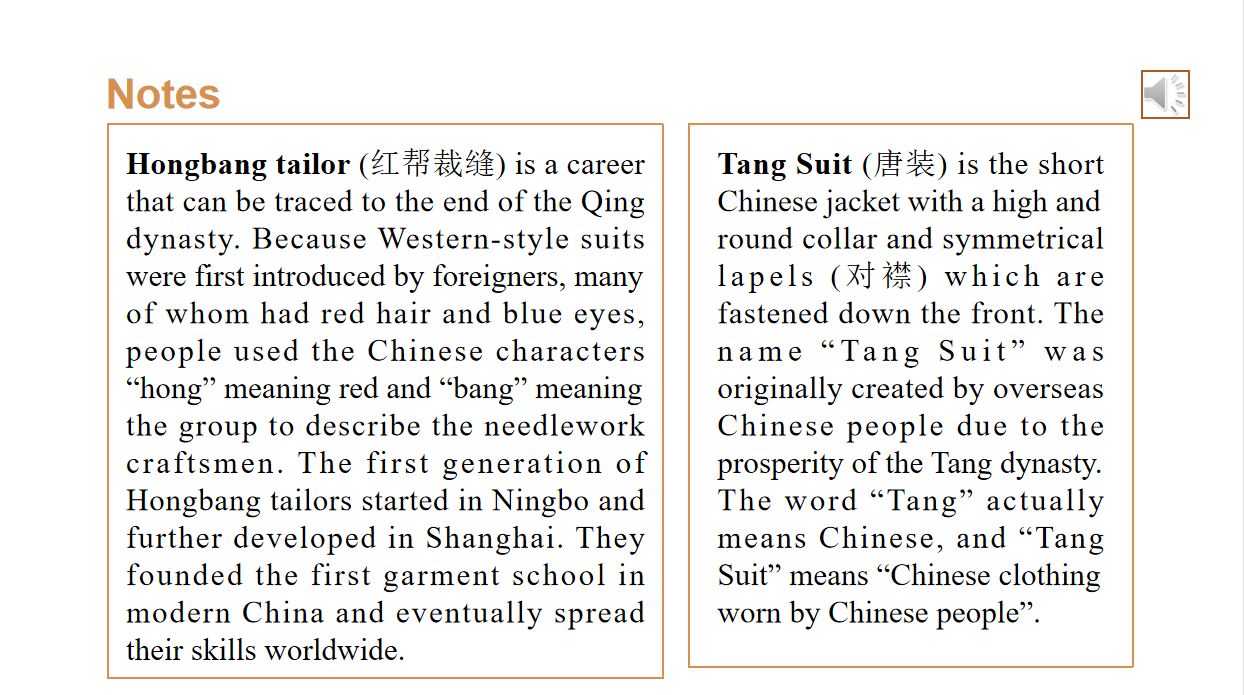
In 1987, at the age of 15, Zhang started learning garment-making from the descendants of the Hongbang tailors who were famous in the early 20th century for their skills at sewing gowns. During his first three months, Zhang had to learn how to make buttonholes, and also had to iron clothes daily. After acquiring a good grasp of certain basic skills, he began to make pants. After some period of practice, he was allowed to learn how to make qipao, which is known for its complex and numerous tailoring procedures. Having completed three years of training, he opened a clothing shop in Jinan, the capital of Shandong province.
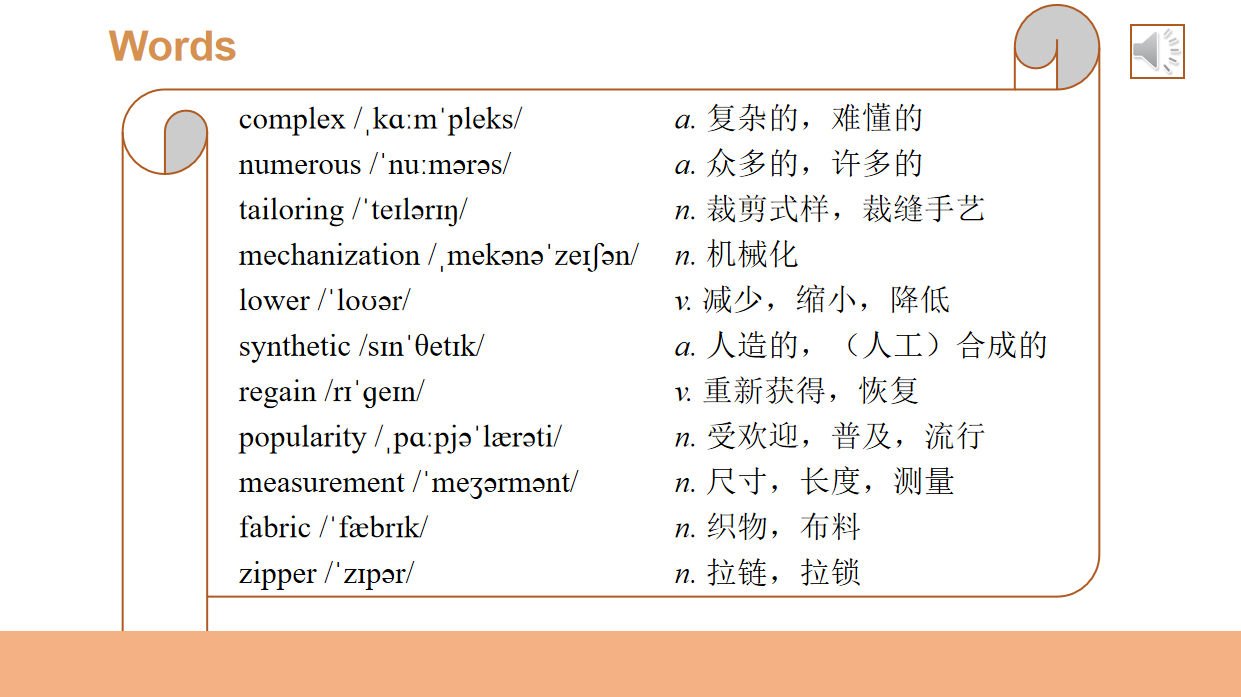
However, mechanization of the garment-making industry in the 1990s lowered prices, while offering a wide range of styles in synthetic materials, which resulted in a drop in demand for handmade clothes. Zhang’s shop was hit hard. In 2001, traditional Chinese garments regained their popularity after the Asia-Pacific Economic Cooperation (APEC) Forum in Shanghai, at which the leaders of APEC members wore Tang Suits for the group photos. Seizing this opportunity, Zhang returned to the garment industry in 2006.
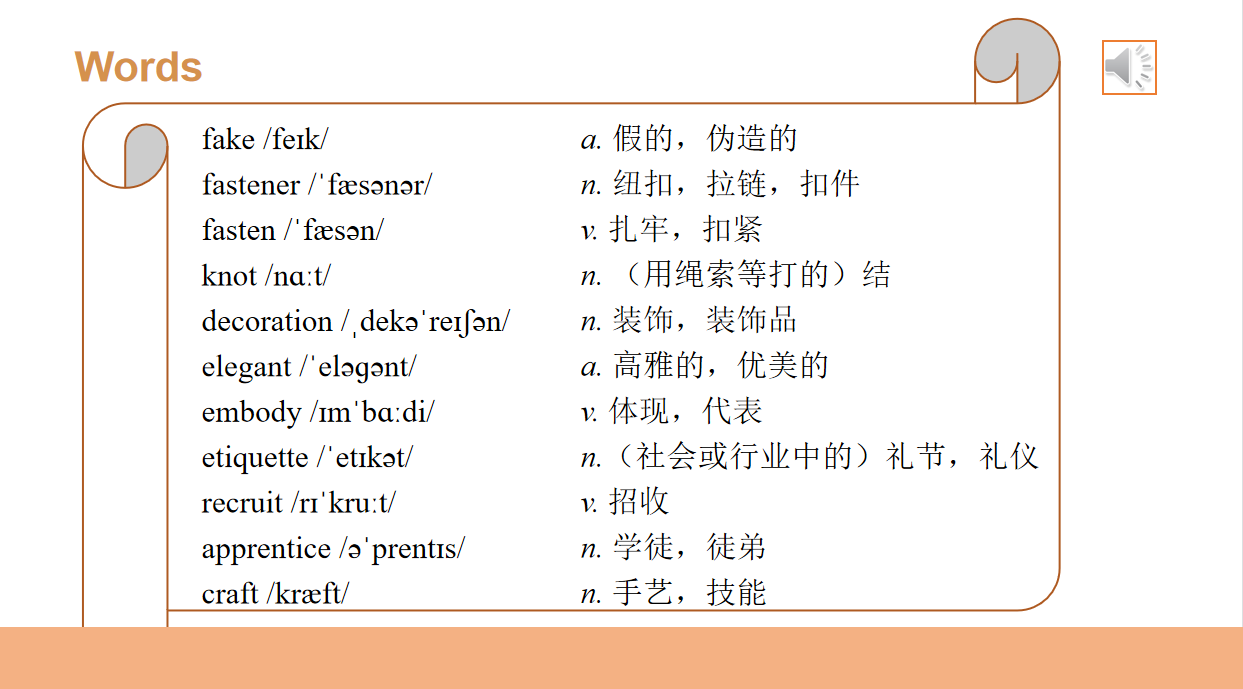
“Qipao is a one-of-a-kind product,” says Zhang. He tailors the garments on the basis of each customer’s figure. He takes more than 20 measurements to ensure the uniqueness of every dress, and uses different fabrics and designs to suit each person’s body shape. Zhang has also adjusted his designs to keep pace with changing tastes. The modern qipao usually has a zipper stitched on one side, and fake fasteners on the front. Traditionally, the front was fastened by pankou knots, but generally these are now only used for decoration, which also saves time when the garment is put on.
In Zhang’s view, qipao is not just an elegant dress for covering people’s bodies, but a garment that embodies traditional Chinese etiquette and culture. Realizing that increasing numbers of younger people have become interested in traditional qipao-making techniques, Zhang has recruited more than 10 apprentices. He also gives lectures on his craft, with hopes that more people will learn about and fall in love with the traditional dress.