Chinese Cuisines ( I )
Chinese cuisine has a long history, and is one of the Chinese cultural treasures. It is famous all over the world. Chinese cookery has developed and matured over the centuries, forming a rich cultural content. It is characterized by fine selection of ingredients, precise processing, particular care to the amount of fire, and substantial nourishment. Local flavors and snacks, and special dishes have formed according to regions, local products, climate, historical factors, and eating habits.
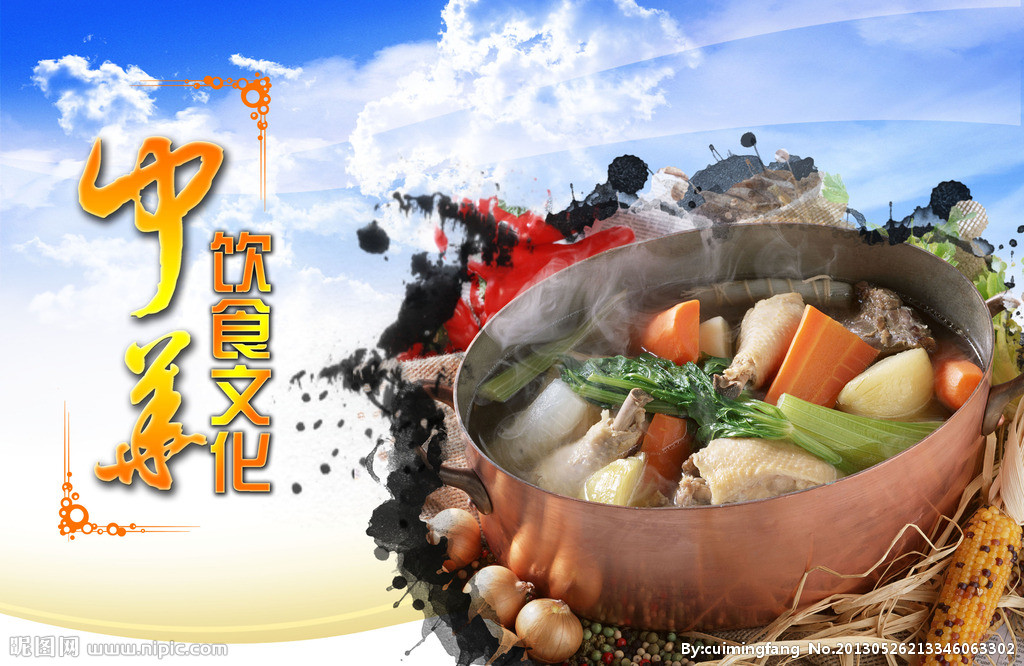
The two dominant philosophies of the Chinese culture are Confucianism and Taoism. Each influenced the course of Chinese history and the development of the culinary arts. Confucianism concerned itself with the art of cooking and placed great emphasis on the enjoyment of life. To the Chinese, food and friends are inseparable. A gathering without food is considered incomplete and improper.
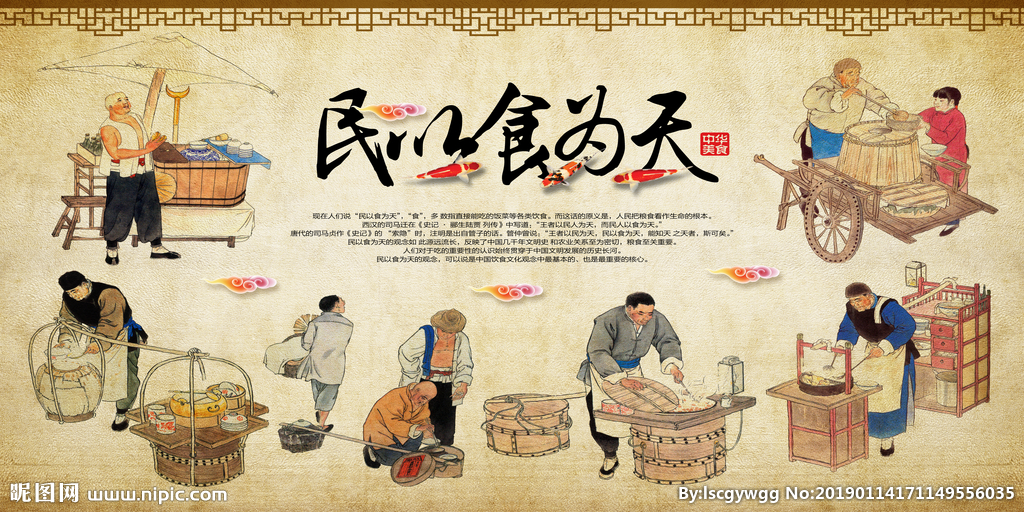
Cuisine in China is a harmonious integration of color, flavor, taste, shape and the fineness of the instruments. For the cooking process, chefs pick various ingredients and seasonings while employing unparalleled complicated skills handed down from their fathers, ever aspiring to their ideal of perfection for all the senses. Among the many cooking methods they use are boiling, stewing, braising, frying, steaming, crisping, baking, and simmering and so on. When they finish their masterpieces they are arranged on a variety of plates and dishes so that they are a real pleasure to view, to smell and ultimately to savor.
备注:
1. forming a rich cultural content 形成了丰富的文化内涵。中国饮食文化是在中国传统文化教育中的阴阳五行哲学思想、 儒家伦理道德观念、 中医营养摄生学说, 还有文化艺术成就、 饮食审美风尚、 民族性格特征诸多因素的影响下创造出来的。
2. It is characterized by fine selection of ingredients, precise processing, particular care to the amount of fire, and substantial nourishment. 它的特色就在于用料讲究, 加工精细,善用火候和注重营养。
3. Cuisine in China is a harmonious integration of color, flavor, taste, shape and the fineness of the instruments.中国烹饪是色、 香、 味、 形和器的完美、 和谐统一。
4. For the cooking process, chefs pick various ingredients and seasonings while employing unparalleled complicated skills handed down from their fathers, ever aspiring to their ideal of perfection for all the senses. 就烹饪的工序而言, 厨师们精选各种配料和调味品, 采用各自从他们的父辈传承下来的、 没有可比性的复杂的烹饪手艺, 希望方方面面都能够做到完美。
5. boiling, stewing, braising, frying, steaming, crisping, baking, and simmering煮、 炖、 烧、炸、 蒸、 烤、 脆、 烘和煨。
6. so that they are a real pleasure to view, to smell and ultimately to savor. 使它们既能赏心悦目, 又美味可口, 并且风味绝佳。
Chinese Cuisines ( II )
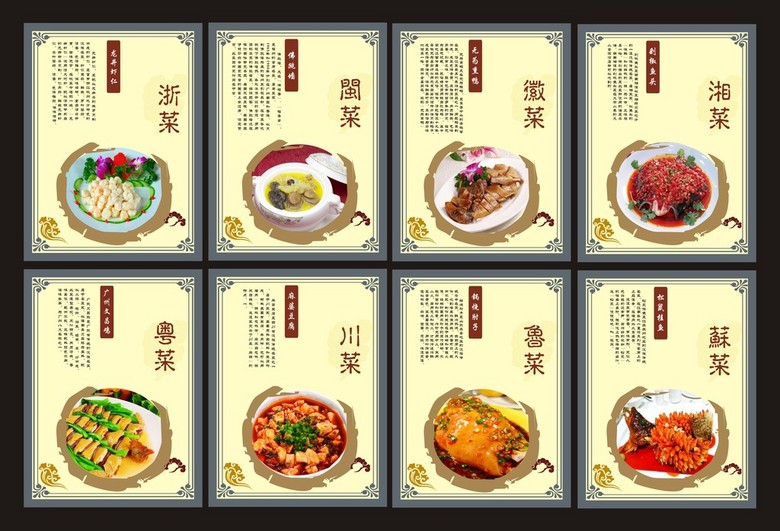
There are four major Chinese cuisines, which includes Shandong Cuisine, Sichuan Cuisine, Canton Cuisine, and Jiangsu Cuisine. Here is an introduction of them.
Guangdong Cuisine, tasting clean, light, crisp and fresh, is familiar to Westerners but unique among the Chinese cuisines. Its raw materials, cooking methods, and flavorings all differ from the other cuisines. The dietetic culture of Guangdong has retained many eating habits and customs of the ancient people, for example eating snakes, cats and insects etc. In short, to the people of Guangdong, everything that walks, crawls, flies, or swims is edible. Many of these strange foods no longer appeal to today’ s refined tastes, and some have been eliminated out of respect for the eating habits of people in other areas, but some strange foods still remain.
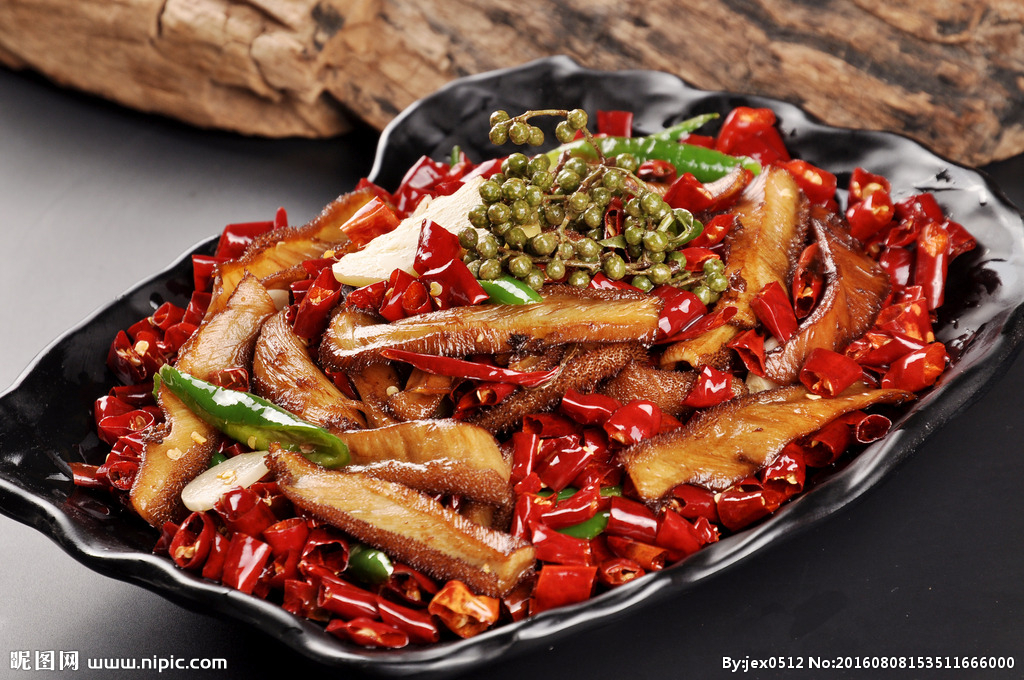
Sichuan has high humidity and many rainy or overcast days. To help reduce internal dampness, hot pepper was used frequently in dishes, and hot dishes became the norm in Sichuan Cuisine. Sichuan produces abundant domestic animals, poultry, and freshwater fish and crayfish. Sichuan cuisine is well known for cooking fish.
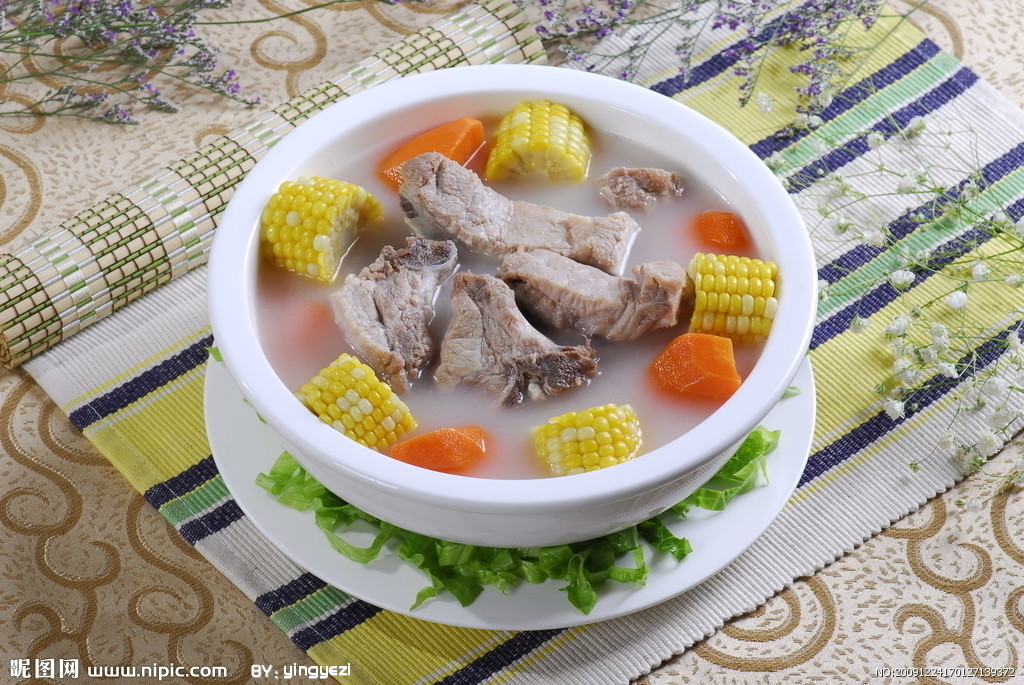
Shandong Cuisine is known for its excellent seafood dishes and delicious soup. Consisting of Jinan Cuisine and Jiaodong cuisine, Shandong Cuisine, clean, pure and not greasy, is characterized by its emphasis on aroma, freshness, crispness and tenderness. Shallots and garlic are frequently used as seasonings so Shandong dishes taste pungent. Soups are given much emphasis in Shandong Cuisine. Thin soups are clear and fresh while creamy soups are thick and taste strong. Chefs are good at using onions and seasonings.
Jiangsu Cuisine, also called Huaiyang Cuisine, is popular in the lower reaches of the Yangtze River. Using fish as the main ingredients, it stresses their freshness. Its carving techniques are delicate, of which the melon carving technique is especially well known. Cooking techniques consist of stewing, braising, roasting, and simmering. The flavor of Jiangsu Cuisine is light, fresh and sweet and its presentation is delicately elegant.
备注:
1.everything that walks, crawls, flies, or swims is edible 所有地上走的、 爬的, 天上飞的,水中游的, 几乎都能入席。据粗略估计, 粤菜的用料达数千种, 举凡各地菜系所用的家养禽畜, 水泽鱼虾, 粤菜无不用之; 而各地所不用的蛇、 鼠、 猫、 狗、 山间野味, 粤菜则视为上肴。
2. Many of these strange foods no longer appeal to today’ s refined tastes and some have been eliminated out of respect for the eating habits of people in other areas. 现代人对口味的讲究使得有些奇怪的食品已不再具有往日的魅力, 甚至出于对外省地区人们饮食习惯的尊重, 有些菜肴已销声匿迹了。
3. Thin soups are clear and fresh while creamy soups are thick and taste strong.鲁菜十分讲究清汤和奶汤的调制, 清汤色清而鲜, 奶汤色白而醇。
4. Shandong Cuisine, clean, pure and not greasy, is characterized by its emphasis on aroma, freshness, crispness and tenderness. 鲁菜清爽、 纯正、 不油腻, 具有香、 鲜、 脆、 嫩的特色。
5. Its carving techniques are delicate, of which the melon carrying technique is especially well know.淮扬菜十分讲究刀工, 尤以瓜雕享誉四方。
6. Its presentation is delicately elegant.淮扬菜的摆盘十分精致、 优美。
Tea Culture (I)
Bashu area in Sichuan Province in west China is the cradle of Chinese tea culture because it is in this area that Chinese tea business became prosperous.
During the dynasties of “Three Kingdoms” and “Jin” of China, Tea culture begun to develop in the area of middle and low drainage area of Yangtze River in east China, and tea men and tea rituals were occasionally heard.
In Tang and Song dynasties, tea culture flourished. The habit of drinking tea had swept across China, and tea became most favorable beverage of people. Besides, Mr. Luyu who is honored as “Tea Saint” and his book Tea Classic helped push the tea culture onto an historical climax. This is the age of tea men, and people became so particular about the way of drinking tea including water, tea, tea set and tea cooking that at the end of Tang Dynasty and in Song Dynasty tea culture was somewhat extravagant and wasteful.
To sit in deep meditation for Buddhism, the monks began to drink tea in a generous way. Their research, understanding and pursuit to tea were totally different from secular people. The involvement of Buddhism in tea culture brought about a phenomenon called “Integrity of tea and Buddhism”.
Tea culture is kind of culture that is elegant. In the modern society, tea culture plays an important role of enriching people’ s daily life, promoting tea economy and trade as well as enhancing culture exchanges internationally, so it becomes a worldwide culture.
备注:
1 Bashu area in Sichuan Province关于茶树和饮茶的时间起源, 史书上众说纷纭。常璩的 《华阳国志·巴志》 记载:“周武王伐纣, 实得巴蜀之师, ……茶蜜……皆纳贡之。” 这一记载表明在周朝的武王伐纣时, 巴国就已经以茶与其他珍贵产品纳贡与周武王了;而清朝的顾炎武在 《日知录》 中曾言:“自秦人取蜀以后, 始有茗饮之事。” 言下之意, 秦人入蜀前, 四川一带已知饮茶。
2. In the area of middle and low drainage area of Yangtze River 指长江中下游一带的灌溉区
3. Mr. Luyu who is honored as “Tea Saint” and his book Tea Classic 世界第一部茶叶专著为唐代陆羽的 《茶经》。陆羽, 唐代复州竟陵人 (今湖北天门)。一生用了48年时间完成创始之作—— 《茶经》。因此被尊为 “茶神” 和 “茶仙”。书中对茶叶历史、 产地、 茶的功效、 栽培、 采制、 煎煮、 饮用的知识技术都做了阐述, 是中国古代最完备的一部茶书。
4. At the end of Tang and in Song Dynasty tea culture was somewhat extravagant and wasteful唐宋时期茶风极盛,皇亲国戚、 达官显贵、 文人雅士、 僧道等均以尚茶为荣,对品茶十分讲究,因而出现了一大批品饮的行家里手, 茶风奢华繁琐。
5. Integrity of tea and Buddhism 茶与佛学都讲究平心静气, 井然有序, 以求环境与心境的宁静、 清静、 安逸, 因此自古以来, 就有 “茶禅一味” 之说。日本茶道兴盛, 也是由中国的鉴真和尚东渡带过去的。
Tea Culture (II)
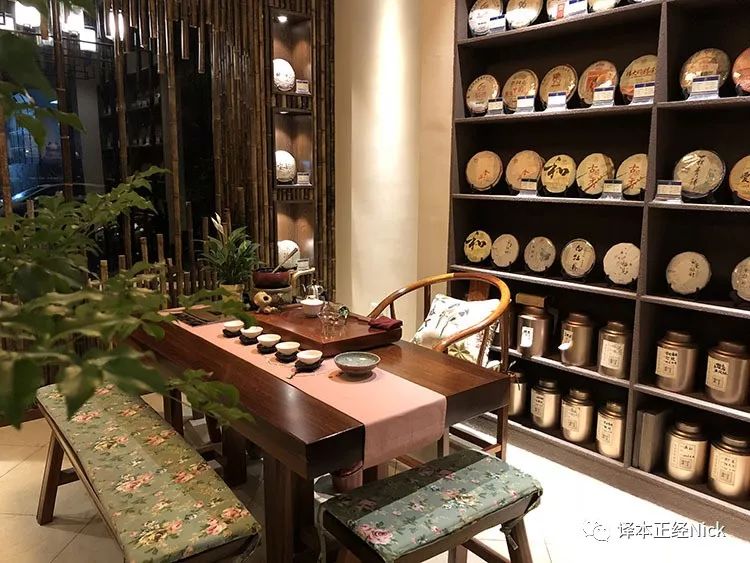
The custom of drinking tea is deeply ingrained in almost every Chinese, and tea- houses in China provide people with preper environment to meet and chat over a cup of tea.
Drinking tea helps to improve the eyesight and increase alertness, so most Chinese people believe that frequent tea drinkers enjoy an increased life span. Its medical properties and benefits to the human body have in fact been scientifically proven, and tea has come to be generally recognized as a natural health beverage. However, to make a good pot of tea, special attention must be paid to the quality of the water temperature, the amount of tea leaves used, and the type of teapot.
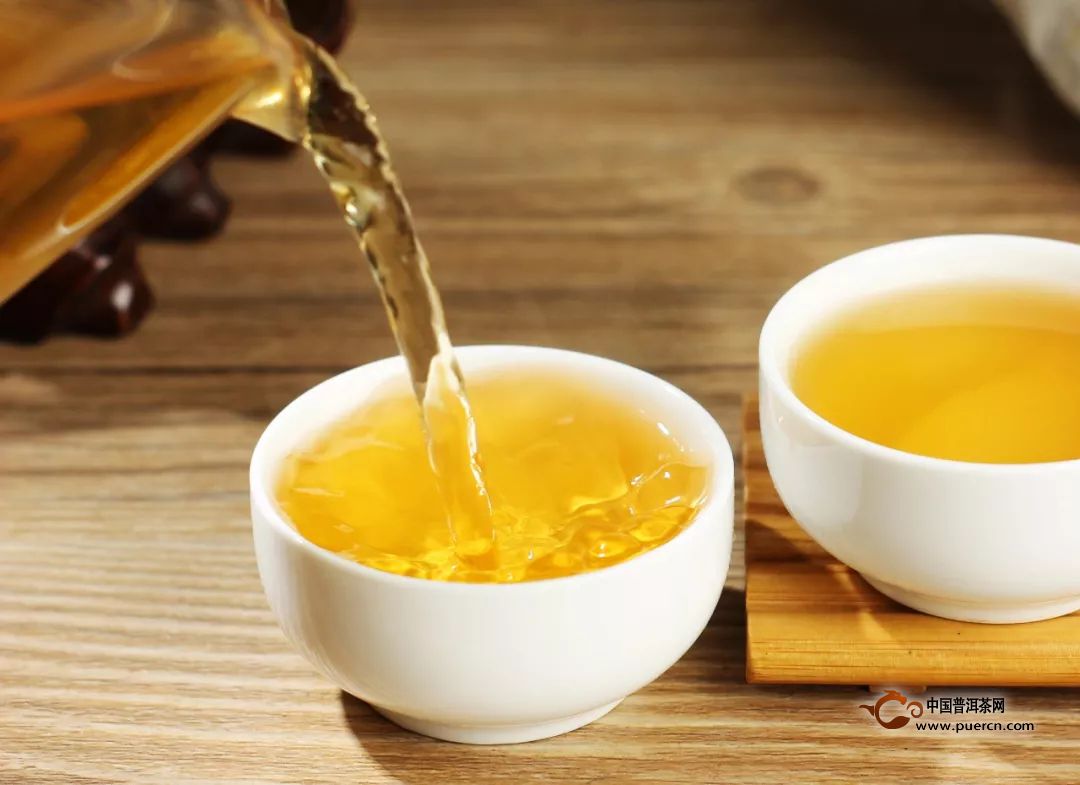
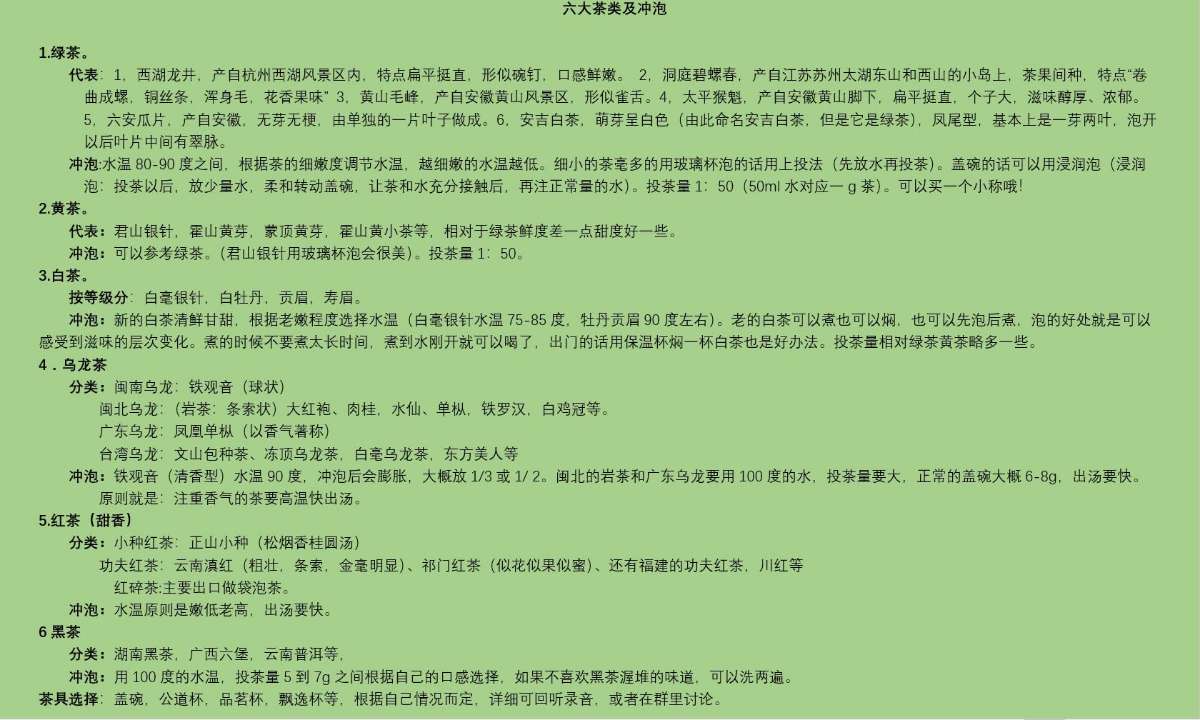
Black tea, scented tea, green tea and compressed tea are all the famous varieties.
Western people prefer to drink black tea—it tastes good, especially when mixed with milk and sugar.
Oolong represents a cross between green and black tea by combining the best qualities of them. It is not only as clear and fragrant as green tea, but also as refreshing and strong as black tea. A good Oolong is both refreshing and delicious; the oolong spectrum has a range of aromas and tastes quite distinct from anything you get with green or black tea. Oolong tea is the best variety for making kungfu tea.
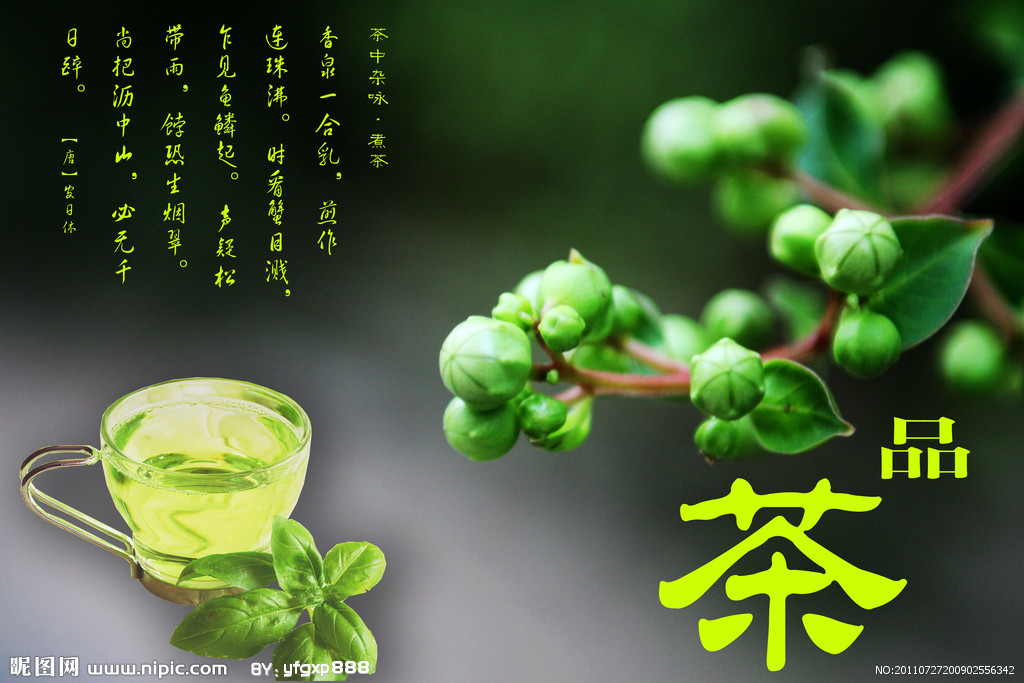
Green tea is a non-fermented tea. It is said to preserve over 450 organic compounds, including all kinds of vitamins, RNAs, caffein and many others.
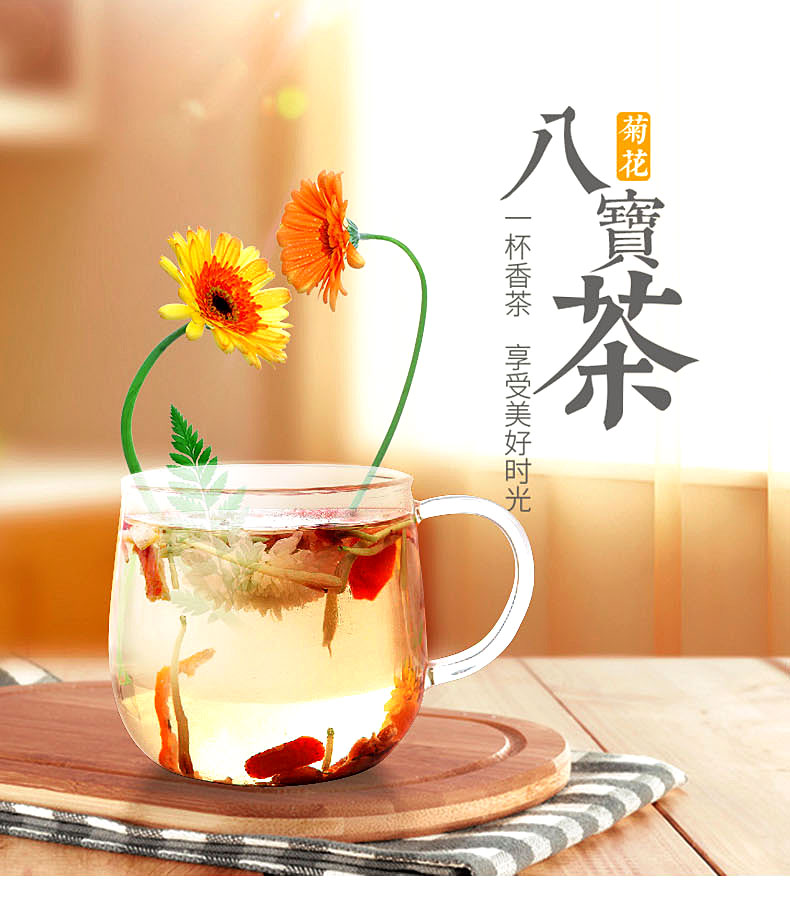
Scented tea, which is a favorite with ladies, is made by putting fresh or dried flowers, for example, jasmine, gardenia, rose and chrysanthemum etc. into the tea leaves when they are baked. So when the tea is served, it gives off a nice smell of both the tea and the flowers.
In Yunnan and Sichuan provinces, local people like to drink long preserved compressed tea, which is known as brick-tea. They scratch bits from the “brick ”each time and boil them in a large pot to relieve the greasiness of their rich meals.
备注:
1. Frequent tea drinkers enjoy an increased life span.常常喝茶的人更长寿。
2. The Oolong spectrum has a range of aromas and tastes quite distinct from anything you get with green or black tea.乌龙茶系列的香味和口感与你从绿茶和红茶闻到的香味和口感明显不同。乌龙茶的特点是, 既具有绿茶的清香和花香, 又具有红茶醇厚的滋味。
3. Green tea is a non-fermented tea, it is said to preserve over 450 organic compounds. 绿茶是非发酵茶, 据说它保存了超过450种有机化合物。这些化合物中有些是人体所必需的营养成分。
4. ... to relieve the greasiness of their rich meals. 解除他们吃完大餐之后的油腻。由于普洱茶性中和,具有解油脂、助消化、暖胃生津、止渴、醒脾解酒等功能。
The kettle is generally raised up high when pouring the boiling water into the teapot so that the water cools a little before coming in contact with the tea. The first round of tea is discarded as it may contain impurities and froth. The second round is then poured with a circular motion into each cup so that there will be the same color and consistency of tea in all the cups. To avoid creating froth and scattering the fragrance of the tea, the teapot should be held close to the teacups when pouring.
The first sip tastes slightly bitter, but very soon, the sweet and mellow aftertaste is apparent, lingering in the mouth. It is this lingering aftertaste that makes Gongfu Tea so popular and highly prized as the most charming tea culture in China.
功夫茶最早于宋代出现在广东省潮州市。“功夫”这个词可理解为“技巧”或者“耐心”。如此命名是因为沏茶过程不仅费时,而且需要相当的技巧和耐心。
功夫茶的茶具非常小,陶制茶壶还没有一个拳头大,白而透明的茶杯只比鸽子蛋大一点。以前人们还使用一个小木炭炉、一个小水壶和一个装茶具的瓷托。泉水或井水被认为是用来冲泡功夫茶的最佳选择。
首先用开水刷洗茶壶和茶杯,以便洗掉残余的茶叶,同时预热茶具,然后往茶壶里装入满满一壶的茶叶。
通常在往茶壶里倒入热水时要高高举起水壶,这样热水在接触茶叶之前会稍稍降温。第一道茶要倒掉,因为里面可能含有杂质和泡沫。倒第二道时茶壶作圆周运动,均匀地将茶水倒入每个杯子里,以使所有杯子里的茶水的颜色和浓度保持一致。为了避免起泡,分散茶香,倒茶时应将茶壶贴近茶杯。
第一口茶味道微苦,但很快一股香甜醇厚的余味会留香齿颊。就是这缕余韵使得功夫茶如此受欢迎并得到高度赞扬,成为中国最具魅力的茶文化。
Chinese Wine Culture
Wine has a close connection with culture in China, in both ancient and modern times. Spirit has a history as long as that of mankind. According to legend, the Chinese people began to make spirit with grains seven thousand years ago and even earlier with animal milk.
Chinese wine-drinking has been taken a quite important role in Chinese people’ s life from ordinary people to kings for a long time. Our Chinese ancestors either used wine to worship forefathers to express reverence as a libation, or to enjoy by themselves while writing a poetry or prose, or to toast their relatives and friends during a feast. During a good time, the Chinese like to “sing and drink because life is brief” whereas during a bad time, they wonder “why relieve sorrows since wine just matters” .
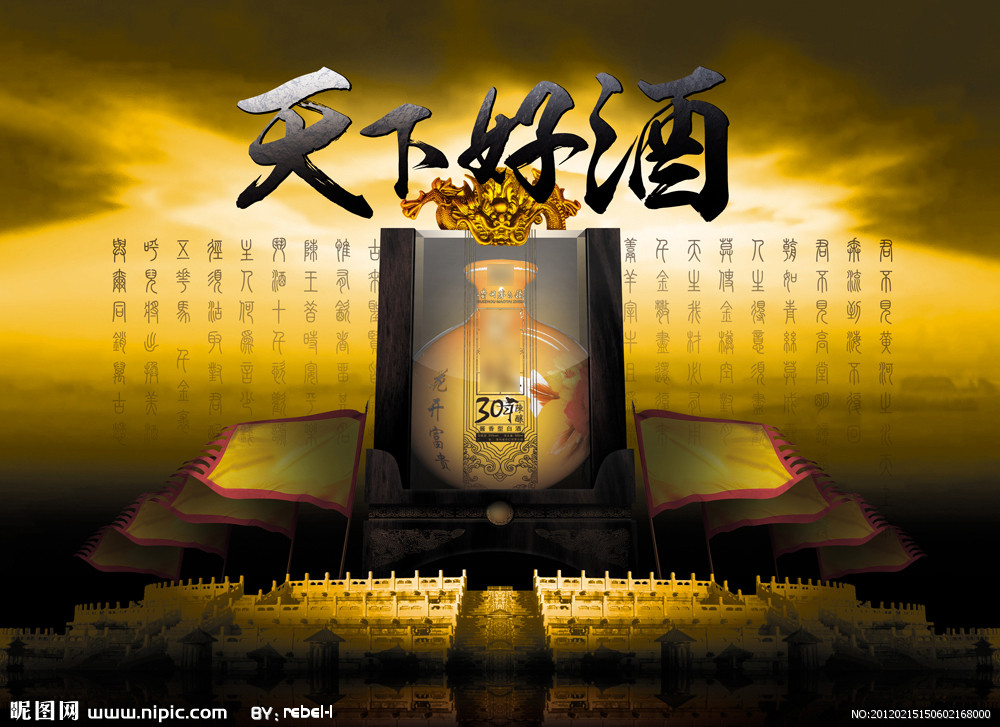
Chinese wine is not only for literary and refined scholars, it was also an inseparable part of the life of ordinary Chinese people through numerous events such as birthday, farewell dinner, wedding, etc. Here are some typical banquets which have a close connection to wine.
On the fifteenth day of the first moon, during the Lantern Festival, watching the lantern show or admiring the full moon to celebrate the Mid-Autumn Festival, they would liven up drinking. Wine was intimately connected with most Chinese men of letters.
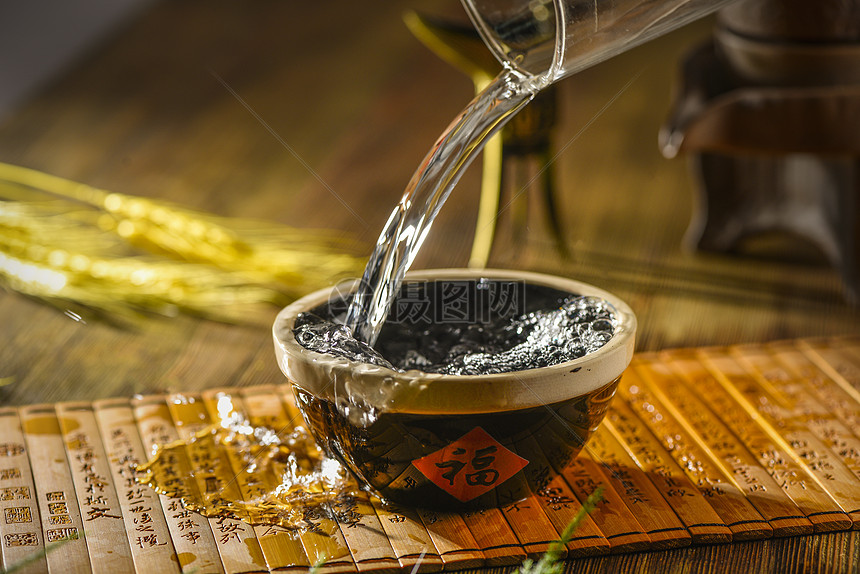
Birthday Wine: In China, a banquet known as “Jiu Xi” means an alcohol banquet and the life of every person, especially from birth to death, should have pauses for drinking banquets starting a month or 100 days after a baby’ s birth when the parents invite people in for a drink.
Longevity Wine: China is a typical country that emphasizes the virtue of respecting older people. When an old person’ s birthday comes, younger generation usually take different kinds of gifts to celebrate them. Taking wine and eating a meal with them are very popular and welcomed by older generation. It is so-called “longevity wine” . Here wine acts as a medium to transfer love and wishes. On one hand, after drinking the wine, the older people will live longer and healthier. On the other hand, it can give each other time to meet because nowadays younger generation is too busy to give more care to their elder generation.
Opening Wine and Dividend Wine: When someone builds a new house, starts a business, he should invite people in for a drinking session. He could call his relatives and friends together, and then his business will be good later.
Not only starting a business needs wine, at the end of the year, when the boss is ready to give the workers dividend to thank them for working hard or encourage them, a wine acts, too.
备注
1.Sing and drink because life is brief. 对酒当歌, 人生几何。出自东汉曹操的 《短歌行》。
诗句意思是: 一边喝酒一边高歌, 人生短促, 日月如梭。
2. Why relieve sorrows since wine just matters.
但存物外醉乡在, 谁向人间问是非。出自唐代赵嘏 《赠王明府》。大意是只要有酒, 能使人坠入超凡物外的醉乡, 谁要理会尘世间的是非哀愁呢。
3. man of letters文人墨客, 文人学士
4. opening wine 开业酒。
这是店铺作坊置办的喜庆酒。店铺开张, 作坊开工之时,老板要置办酒席, 以志喜庆贺。
5. dividend wine 分红酒。 也是店铺作坊置办的喜庆酒。店铺或作坊年终按股份分配红利时, 要办 “分红酒”。
An important component of Chinese cuisine and culture, the use of alcohol can be traced back to the dawn of the nation’s history. Over the centuries many different kinds of alcoholic drinks have been developed and brewing methods as well as distillation has become more sophisticated. At the same time the way of consuming these desirable products has become a vital part of custom and culture.
In China, the word for alcohol “jiu” is used to mean all types of alcoholic beverages, from “pijiu” (beer) to liquors (just called “jiu”) to grape wine ("putaojiu").
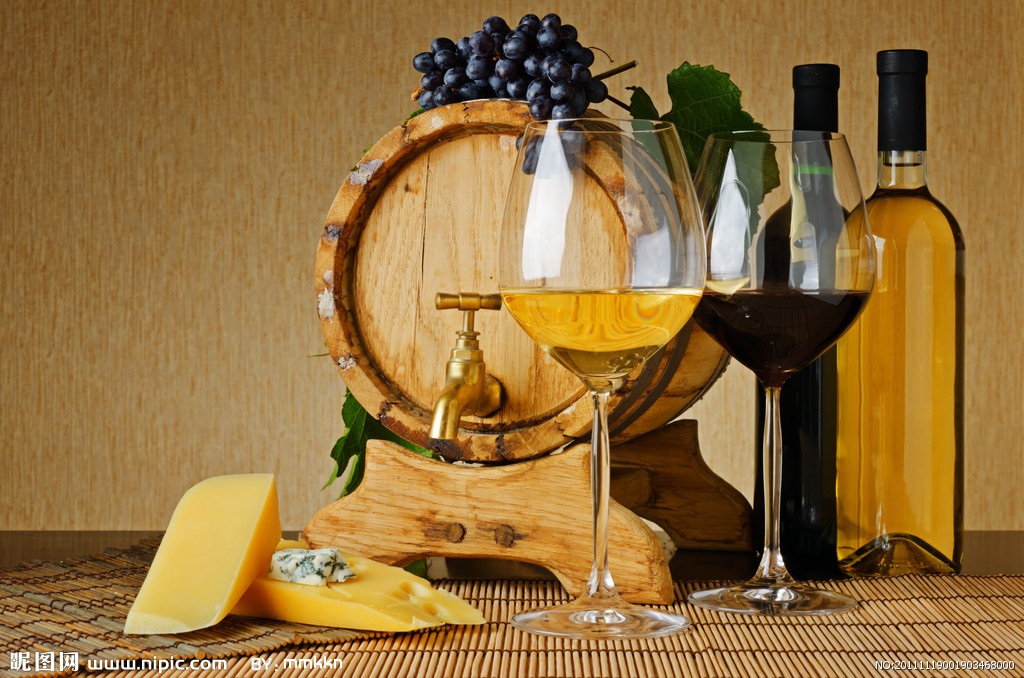
Liquor 白酒
Chinese liquor, Baijiu, or “shaojiu” is a distilled alcoholic beverage, generally about 80 to 120 proof, or 40-60% alcohol by volume. It is usually served on the table of families and restaurants either for get-togethers, celebrations, or simply for fun and relaxation. The most famous brand is Maotai and this holds the title of the “National Liquor”.

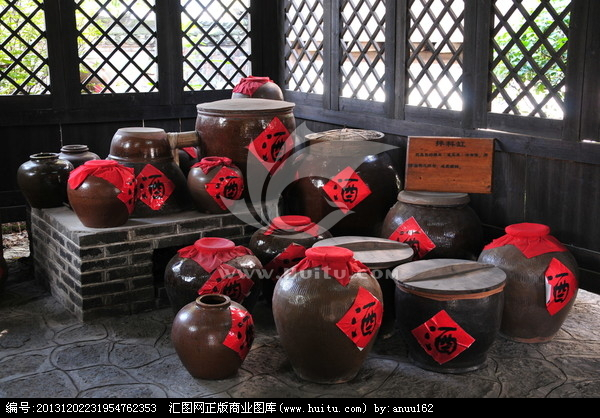
Yellow Wine 黄酒
Yellow wine, Huangjiu, is unique and traditional in China. It is a type of alcoholic beverage brewed directly from grains such as rice, millet, or wheat. Unlike Baijiu, such liquors are not distilled, and contain less than 20% alcohol. The wine has a wide appeal and is often used for culinary purposes as well as a beverage. The most popular brands of yellow wine are made in Shaoxing, Zhejiang Province and in Shandong, while Hongqu yellow wine made in Fujian.
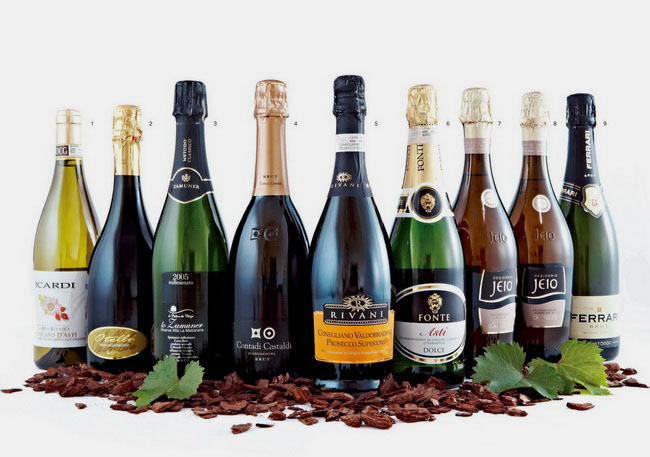
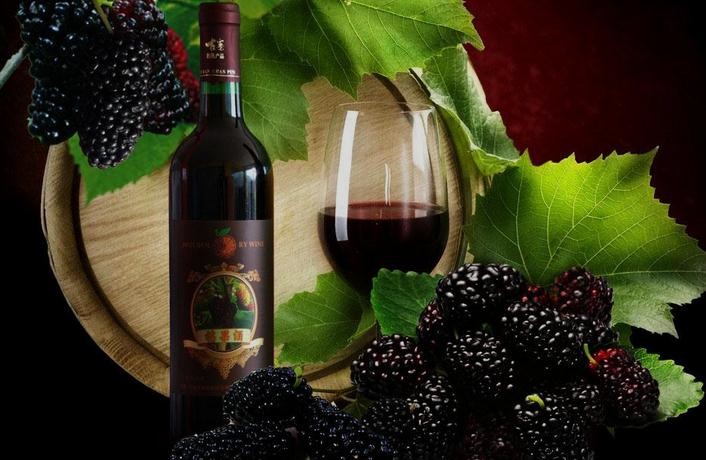
Fruit Wine 果酒
Fruit wine is mainly made from grapes, pears, oranges, litchis, sugarcane, hawthorn berries, and waxberries and all are quite palatable. Now the fruit wine production is quite widely produced, with grape wine being the most prominent.
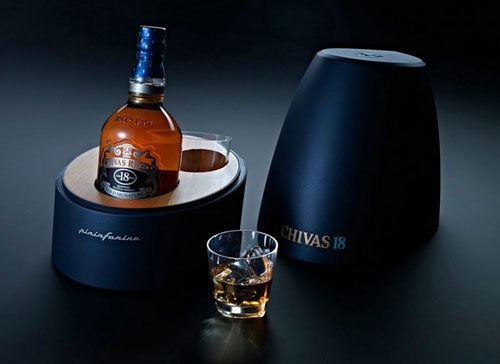
Integrated Alcoholic Beverages泡酒
These drinks are created from wine and spirits to which has been added the zest or fragrances from fruits, herbs or flowers. More exotic or medicinal concoctions can contain other plant or even animal derivatives. These blends include wines and medicinal beverages with a very wide range of aromas, flavors and benefits in which the various levels of alcohol and sugar content help to produce styles that are so unique to China.
Beer 啤酒
Although beer was not produced in China until the early 20th century, in modern China there is a thriving brewing industry and today there are many brands of quality beers which have become well-known and appreciated by beer drinkers both at home and abroad.
China is a reputed land of ceremony and decorum(礼仪之邦). In China, tea is always served when guests visit. As an important medium of etiquette (传递仪礼的重要媒介), tea plays a significant role in Chinese interpersonal relationships.
Partaking in the Gongfu-style Puerh tea ceremony(普洱茶功夫茶道) can be a sensory experience (感官上的体验). Often, the tea will be sniffed for aroma at various times while it is sipped(品茗闻香)and the spent leaves might be examined (观叶底). Besides, appreciating a cup of tea together is seen as a bonding experience (一种社交结链的过程).
Conventionally, the host's left-hand side should be the first guest of honor(主人左手边为“尊位”), the importance of the seats are in descending order from the host's left hand to the right(从左到右顺时针方向由尊到卑). It is the iron law(金规铁律)to follow regardless of the table shapes.
Besides, the old and teachers are most revered to take the first ranked seat(师者与长者为尊). Among them, ladies have the priority when age differences are small (如年龄相差不大,女士优先坐尊位).
Generally, it would be served in order of seniority for the first round (第一次奉茶时讲尊卑), and then simply pour the tea into cups clockwise when serving guests.(之后按顺时针斟茶)
The last round is traditionally served counterclockwise as a hint to guests that tea time is over.(最后一轮逆时针,暗指茶将毕)
Another unspoken signal in tea culture (茶暗语) is that if the tea tastes quite flat and insipid after infusions(多次冲泡后茶淡而无味) and the server does not offer a new tea to enjoy (泡茶之人不换新茶), that suggests that the tea party is about to close and guests may leave(暗指茶毕客走).
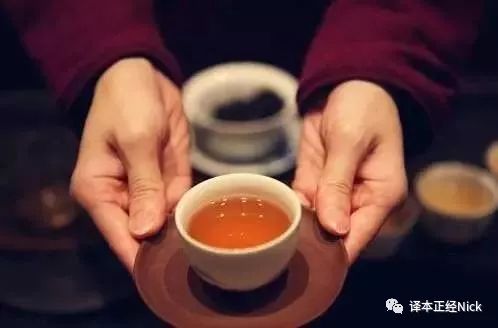
Only fill the teacup at about 70 percent full (倒茶约七分满). It is considered impolite or even a sign of disrespect to completely fill the cup when serving(茶满欺人).
Another explanation has something to do with words of a wise Zen master(即南隐禅师). Once a professor(学者) visited him and conselled for Zen wisdom (问禅求道). While the man talked, the Master quietly served tea and kept pouring liquid until the visitor's cup overflowed onto the table (茶水溢出茶杯流到桌上). The man couldn't restrain himself and said, "It's full! No more will go in!". The Master replied with a smile, "you are like this tea cup, so full that nothing more can be added. Come back to me when the cup is empty. Come back to me with an empty mind”(你就像这杯子,满得不能再装。把杯倒空再来,把心腾空再来) 。
A teacup should not be filled to the full(茶不宜满)so as to allow for some space or leeway (留有余地) , and the same is true for life (人生亦如此).
When served, people tend to greet the server with "finger-tapping salute"(行叩茶礼). Finger tapping or Finger Kowtow(扣手/扣指礼), is a ritual performed as a silent gratitude (表达无声感激的仪式).
According to legend, Emperor Qianlong of the Qing Dynasty(清朝乾隆帝)used to travel incognito(微服私访,类travel in disguise)to the South. Once he went into a teahouse with his companions. The owner used a long-spout bronze kettle(古铜长嘴壶)and poured the water three ups and downs (三次从高处把水注入杯中) with rhythm to make a cup of tea without even spilling a drop (一滴不撒). The Emperor was greatly impressed by the technique named "Three Nods of the Phoenix(凤凰三点头)". The Emperor took over the long-spout kettle and followed suit (效仿), but that cup belonged to his servant. Normally, the servant would get down on knees and kowtow to the emperor for such great honor(跪下磕头谢恩). However, to do so would reveal the true identity, so the quick-thinking(急中生智)servant bent his two fingers and tapped on the table(将食指和中指弯曲,连叩桌面) as if his was kneeing and kowtowing to the emperor(代替了下跪叩首). From then on, finger kowtow has been the practice.
Nowadays, instead of the implication of kowtow(不再有"三跪九叩"的含义), people just tap their two fingers on the table three times to pay silent thanks to the tea server (食指和中指在桌面轻弹三次,以示感谢).
Tea is not plain water, it can nourish your palate and mind(茶不只是水,能满足味觉体验、滋养心灵). If you're not thirsty, do not drink up Puerh tea at once (除非口渴,切勿举杯一饮而尽). On the contrary, you should take a sip (吸吮一小口) and savor the flavor (细细品味), from astringency to sweetness till the long aftertaste(从苦涩,到甘甜,再到绵长回甘), you may find words are too plain to describe this fascinating process(这过程妙不可言).
Slurping tea(喝茶时发出“啧啧”声) can slightly cool down the temperature of tea infusions(使茶汤稍微冷却)and allow you to pick up way more aroma(让舌头感受更多滋味). But if you're enjoying Puerh tea in a public area, you can do the following instead of slurping: (1) Drink and leave the tea in your mouth for 5 seconds (让茶汤在口腔停5秒), (2) swallow but keep your mouth closed to lock in the aroma (茶汤下喉,闭上嘴巴锁住香气) and (3) breath in and out deeply through your nose(用鼻腔缓慢吸气、深深出气).
Drink your tea slowly and reverently,
as if it is the axis on which the world earth revolves
——slowly, evenly, without rushing toward the future.
Live the actual moment.
Only this moment is life.
——Thich Nhat Hanh
饮你的茶 慢慢品味 心怀虔诚
仿佛它是地球这大千世界的轴心:
一切缓慢、平和地绕着它转,不急于奔向未来。
活在当下
因为 当下即生活。
——(越南) 释一行禅师