-
1 Article
-
2 Words and&nb...
-
3 Notes on&nbs...



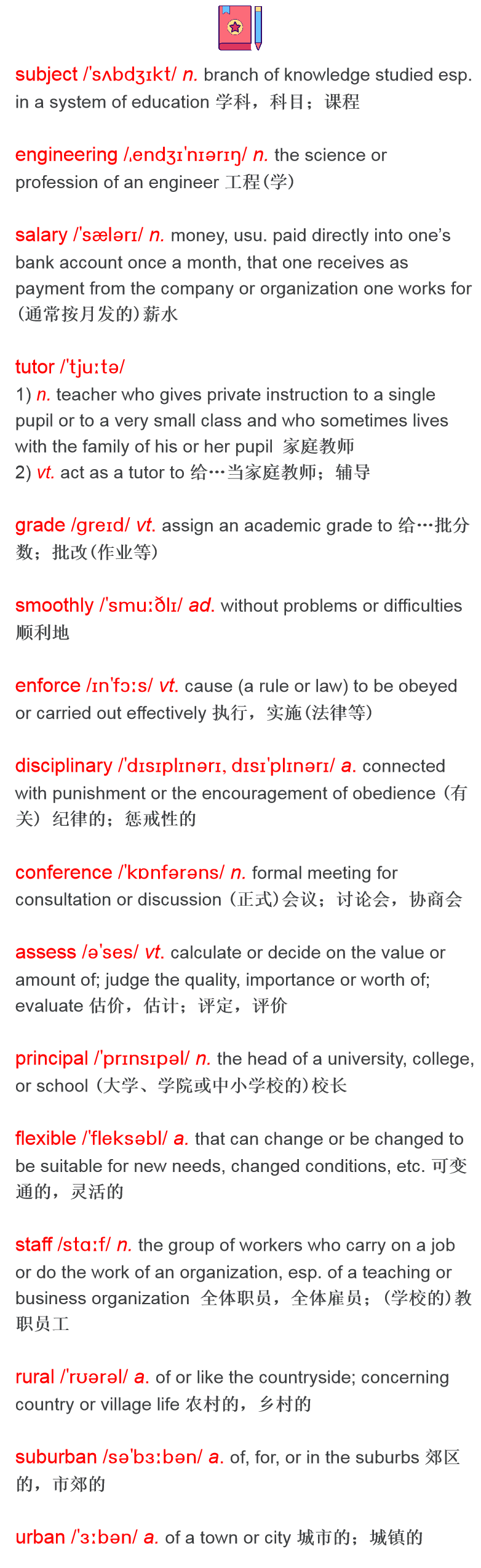
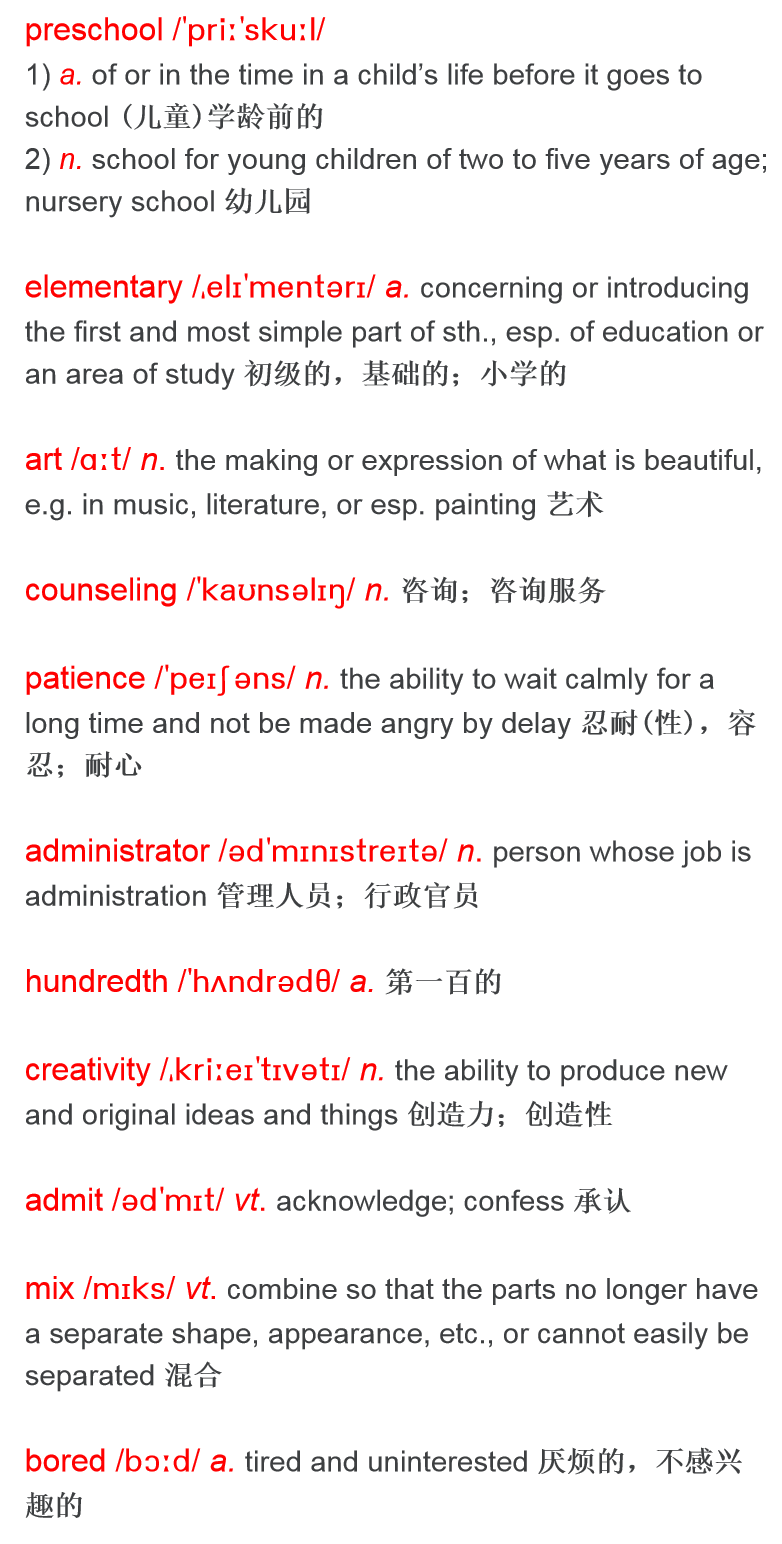
1 When Sakhalin Finnie was younger, her favorite subjects were math and science. She loved the subjects so much that she earned a college degree in engineering and spent years working as an engineer and making a nice salary. “At the time I was working as an engineer, I was also tutoring a lot of my coworkers’ children,” Finnie says. “I’d started a tutoring program with a teacher at my church, and I also taught a computer class to adults. I started to really enjoy teaching.” She enjoyed it so much that she switched careers.
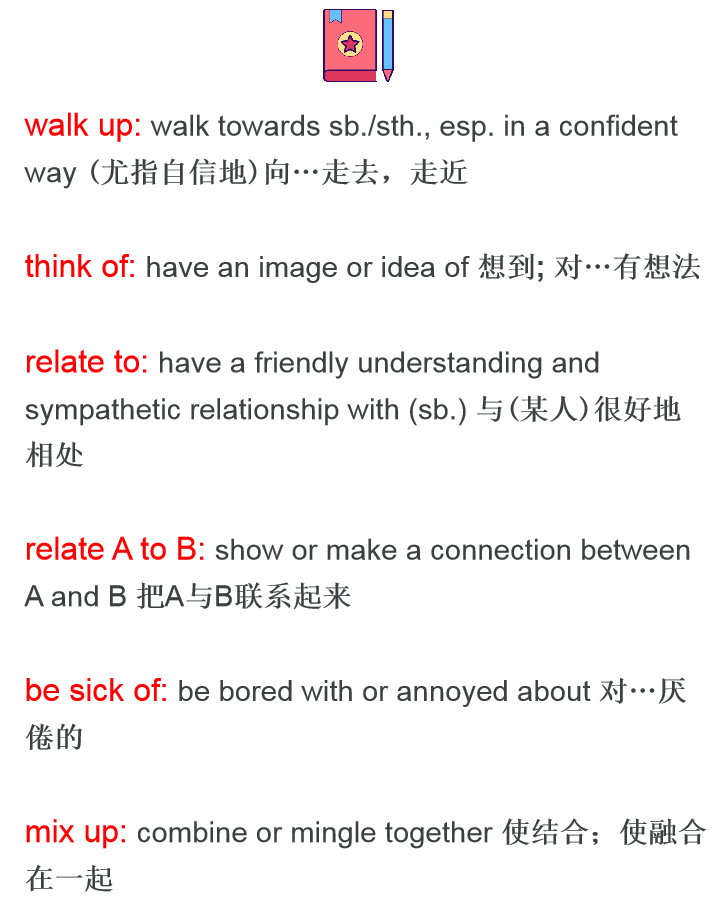
2 Today, 10 years later, Finnie is a science teacher at Harbor Teacher Preparation Academy in Wilmington, Calif. She deals with 200 different personalities a day, works long hours, and makes far less money than she did as an engineer. But she’s not complaining. “For every kid that walks up and says, ‘I can read,’ ‘I am considering science,’ or ‘I really like your class,’ it is the best feeling in the world,” she says.
What Do Teachers Do?
3 You see teachers working every day. But how much do you know about their work?
4 Daily responsibilities include assigning and grading work, preparing lesson plans, keeping classes running smoothly, and enforcing disciplinary policies. They also attend parent-teacher conferences, continually assess how their students are learning, and communicate with their principals. They must be flexible to work with the many different personalities (and challenges) of students, fellow teachers, principals, other school staff, and parents.
5 Just as the duties of teachers vary, so do the settings in which they work. Educators work in private and public schools of all sizes and in all settings, from rural to suburban to urban. Teachers work in preschools, elementary schools, middle schools, high schools, colleges, and career and technical education (CTE) schools.
6 Depending on the school setting and grade level, some teachers teach all subjects to one classroom of students the whole day (common in elementary schools), while others teach a specific subject to many different classes. Although most people think of specific subjects such as math and science when they think of school, there are many other teaching options, e.g. the arts (music, dance, art, theater), vocational, business, physical education, special education, guidance counseling, and administrative positions in the school system.
What Does It Take to Be a Really Good Teacher?
7 Education and certification prepare a teacher for the classroom, but they’re not all it takes to make a good teacher. Certainly, a good teacher must have the knowledge base. However, a teacher must also be able to relate to students in the class and be able to relate what he or she is teaching to the experiences of the students.
8 Patience is necessary. “You have to be patient with students, parents, other teachers, administrators, and even yourself,” says Emily Kennedy, a 25-year-old math teacher at Alpharetta High School in Alpharetta, Ga. “Nothing will go perfectly the first time — or the hundredth — so you have to recognize the struggles you and your students are having will help you learn.”
9 Another must-have for a teacher’s tool kit is creativity. “I have to admit, I’m a little sick of reading Romeo and Juliet because I’ve read it 28 times,” says Roxanna Eiden, an English teacher at Hialeah Senior High School in Hialeah, Fla. So it’s important for teachers to get creative and mix things up to keep themselves and their students from getting bored, she says.
(572 words)