-
1 Article
-
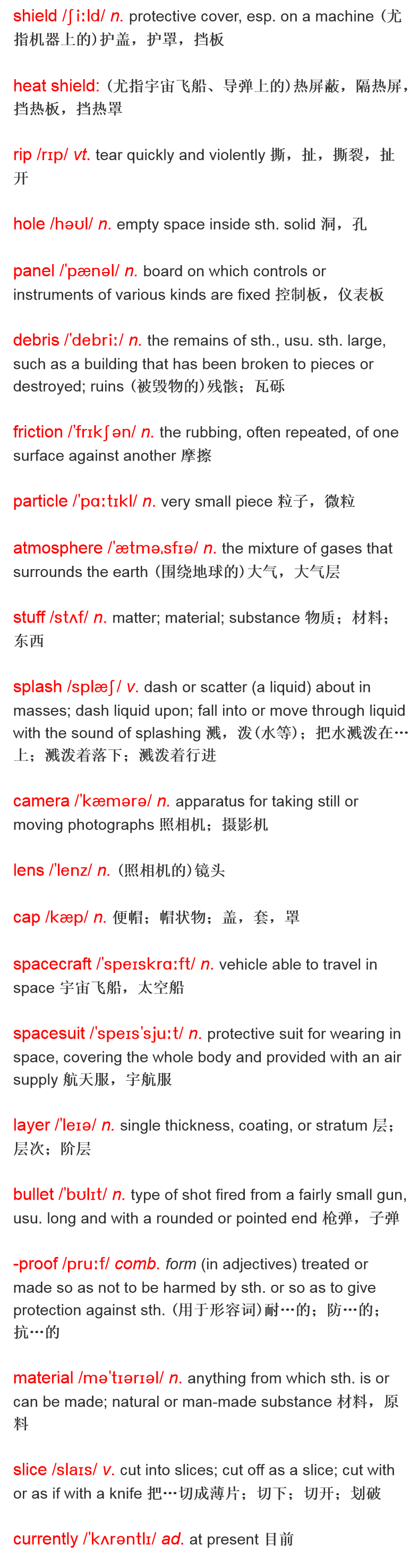
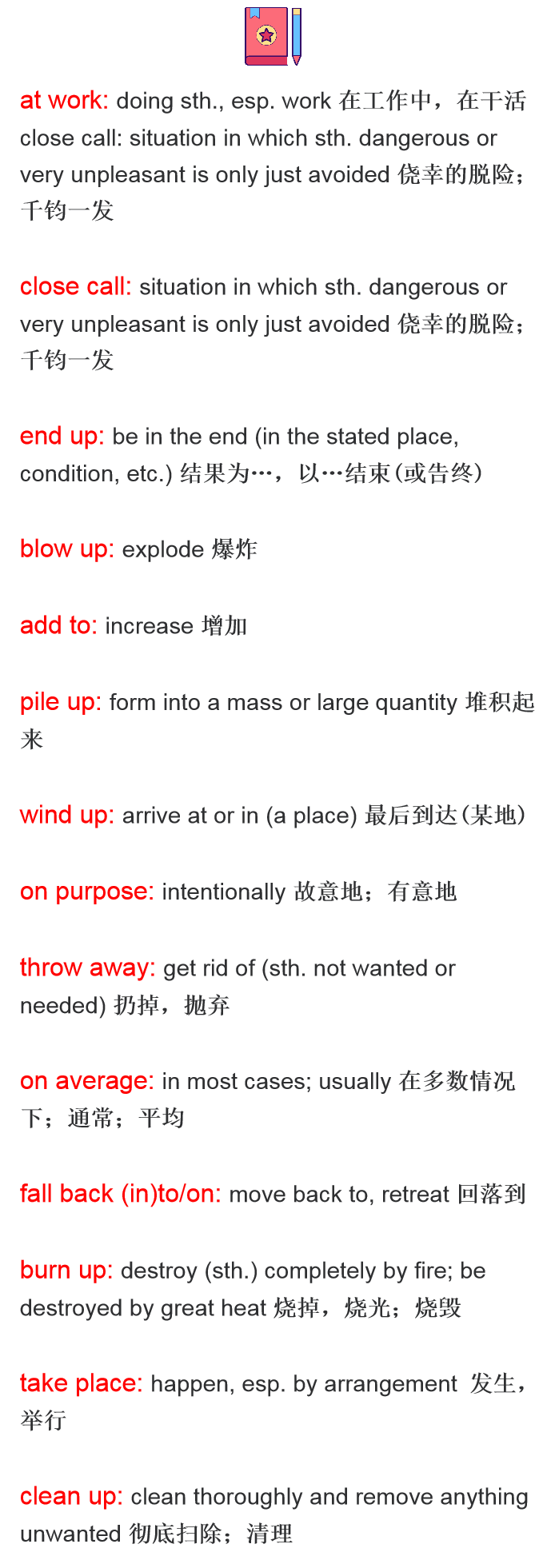
2 Words and&nb...



1 Everything seemed normal in space. Astronauts were hard at work on the International Space Station. Suddenly, alarms sounded. Mission Control ordered them to abandon the station. They rushed to the escape pod, where they waited for further orders. What was the emergency?
2 A small piece of space junk was speeding toward the space station at 28,000 kilometers (17,500 miles) per hour. Mission Control feared it would slam into the station. Ten minutes later, Mission Control sent an all-clear order. Phew! The station was safe.
Space Waste
3 This close call happened on March 12, 2009. It wasn’t the first time space junk threatened astronauts’ lives. And it won’t be the last.
4 The first artificial satellite was launched in October 1957. Since then we have launched thousands of satellites. Today, many of them are still in orbit. Only one in five still work.
5 Burned-out satellites are just one kind of space junk. Rockets streak through space to place satellites there. Usually one section of a rocket ends up staying in space, too.
6 These once valuable rockets now are part of a growing band of space waste. Many still contain rocket fuel that can explode. If one blows up, it can splinter into hundreds of small pieces. Each one of those small pieces adds to the amount of space junk.
Leftover Litter
7 Space junk even can make more space junk. Last year, a broken Russian satellite smashed into a working U.S. satellite. What happened? Both satellites exploded into a lot more space junk.
8 The smash-up littered space with more than 1,600 large pieces and countless smaller ones. Each of these pieces threatens the astronauts who bravely work in space. Each piece could also destroy working satellites.
9 With each new space mission, it seems like more and more small pieces of space junk pile up. Some of this trash winds up there accidently. Others are put there on purpose.
10 Missing tools, lost screws, dropped gloves, and chipped paint all can become space junk. So can regular trash. Russian cosmonauts on a space station threw away trash by tossing it into space. As a result, about 300,000 pieces of space junk larger than one centimeter (about half an inch) now litter space.
Small Scraps, Big Damage
11 All this trash can cause problems. Objects orbiting Earth the same distance as the International Space Station whip through space at 7.7 kilometers (almost five miles) per second. At that speed, an object the size of a nickel packs the same wallop as a car going 80 kilometers (50 miles) per hour.
12 This can cause lots of damage. Space trash has cracked windows. It has chipped heat shields. It has ripped holes in solar panels. Nothing orbiting Earth is safe from this debris.
13 Space junk also threatens Earth. On average, one piece of junk falls back to Earth each day. Friction with particles in Earth’s atmosphere causes most of this stuff to burn up in the air. Big pieces slam into the ground or splash into the oceans. Luckily, only one person has been hit by falling space junk. She was not hurt.
Shields Up
14 What can be done about space trash? A good first step is to make less of it. Scientists are designing tools that are harder to lose. For example, it can be easy for an astronaut to drop a camera lens cap. It’s harder to lose the cap if it is tied to a camera.
15 A rocket can use its leftover fuel. That keeps the rocket from blowing up and making even more trash.
16 Special shields can protect astronauts and spacecraft, too. Astronauts wear spacesuits with a layer of bullet-proof material. This protects them from small pieces of trash, which could slice through their suits.
Collecting Trash in Space
17 Making less trash and protecting astronauts are only the first steps. We know that the junk already in space is very dangerous. Currently, about 13,000 close encounters take place between working spacecraft and space junk each week. Worse yet, the junk already in space is making more junk. Now scientists must work together to find solutions. We have to clean it up so space is safe!
(689 words)