-
1 Article
-
2 Words and&nb...
-
3 Notes on&nbs...
-
4 Reading Aloud



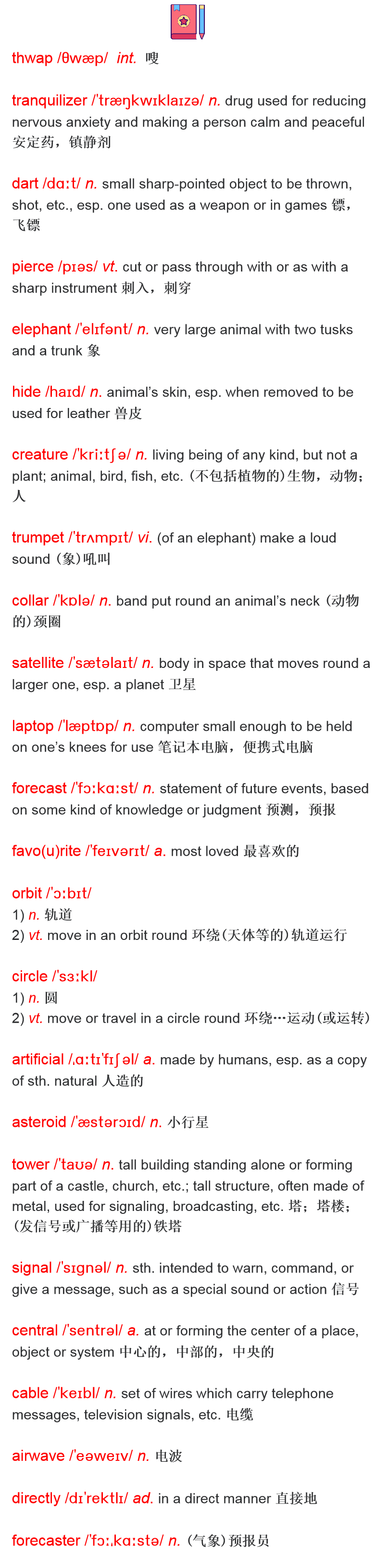
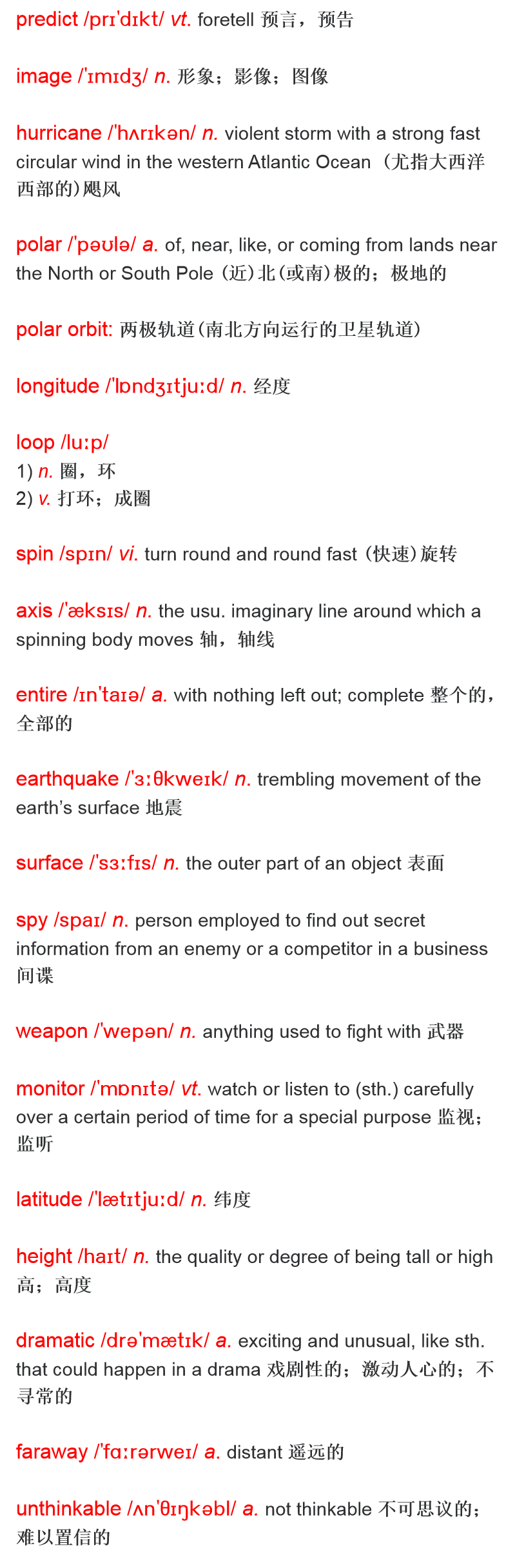
1 Thwap! A tranquilizer dart pierces the elephant’s thick hide. The giant creature trumpets loudly before falling to her knees. Carefully, National Geographic explorer Michael Fay and his team put a collar on the elephant. They name her Annie.
2 When Annie wakes up, the collar will radio her location to a satellite. The satellite will then send the information to Fay's laptop. This will allow him to know where Annie goes.
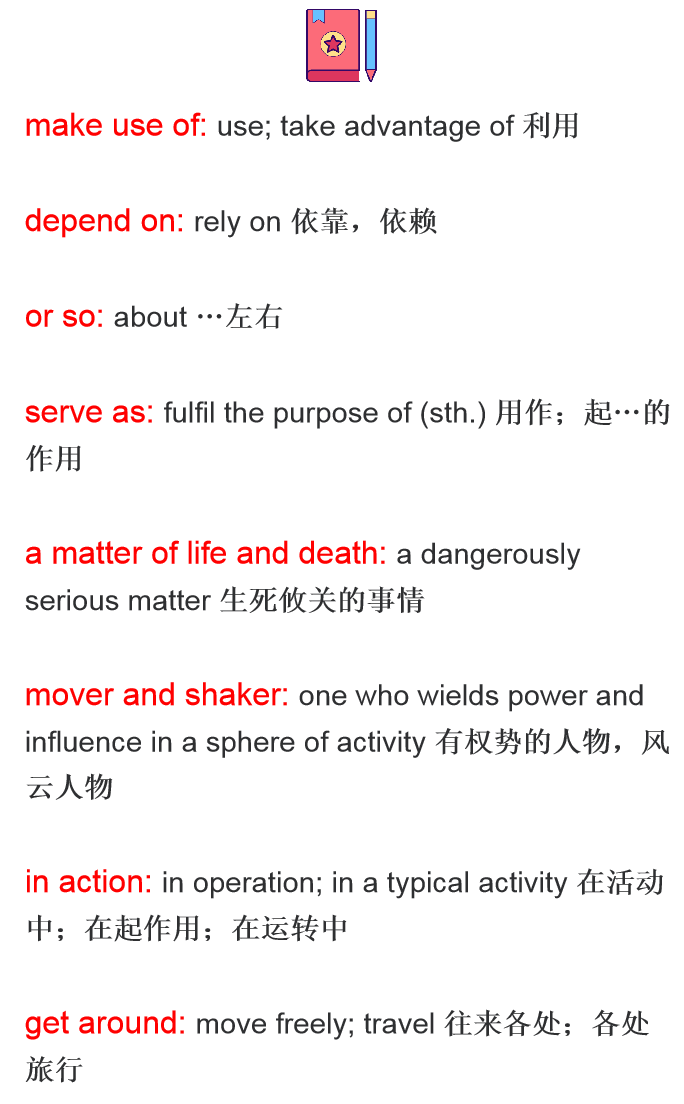
3 Satellites are helping Michael Fay track elephants, but you don't have to be an explorer to make use of satellites. Every time you listen to a weather forecast or watch your favorite television program, you depend on satellites high above Earth.
Satellite Basics
4 A satellite is any object that orbits, or circles, another object in space. The moon is a natural satellite. It orbits Earth once every month. Artificial satellites are a human invention. They help people study the world, send information, and more. An artificial satellite may orbit Earth, another planet, or even an asteroid.
Sky Talk
5 Of the 1,000 or so working satellites, about 600 help people communicate. They serve as relay stations for cell phones and television. Here’s how it works. Say you are calling a friend in Puerto Rico. How does your voice travel there? First, radio waves travel from your cell phone to a cell tower near you. The tower then sends the waves to a satellite. The satellite sends the signal back down to a cell tower in Puerto Rico.
6 Television works in the same way. The satellite relays television programs from a central broadcast station to a local television station. The local station feeds the programs through a cable or by airwaves to your home. If you have satellite television, the satellite sends the programs directly into your home.
Earth Observers
7 Satellites don't just connect people around the world. Some take pictures of the world, too. Have you ever wondered how forecasters can predict the weather? They use satellites. For example, satellite images show where clouds are forming. So weather satellites can help people predict major storms like hurricanes. That can be a matter of life and death.
8 Most weather satellites travel in polar orbits. Polar orbits follow lines of longitude between the North and South Poles. As the satellite loops around Earth, the planet is constantly spinning on its own axis below. This allows the satellite to "see" almost the entire Earth.
Movers and Shakers
9 Scientists are even trying to use satellites to predict earthquakes. When pieces of Earth's surface move, they make radio waves. The radio waves travel into space. If satellites could pick up the waves soon enough, we might be able to tell when and where an earthquake will happen. Think how many lives could be saved that way!
10 Eyes in the sky are watching more than nature in action. In movies, the life of a spy is action-packed and full of adventure. But in real life, many spies are just quietly orbiting satellites. They tell us about the movement of other countries’ weapons. They even monitor radio waves from foreign armies!
Getting Around
11 More and more people are using satellites to find their way around. You may have ridden in a car with a machine that tells the driver where to go. The machine relies on a group of about 20 satellites. They are called the Global Positioning System, or GPS.
12 GPS satellites send radio signals with their latitude and height above Earth. A GPS device in a car or person's hand receives the signals. It uses them to determine how far and fast you've gone. The device then uses that information to figure out where it — and you — are.
From Today to Tomorrow
13 From dramatic rescues at sea to daily life on the road, satellites play an important role. They help Mike Fay protect elephants. They let scientists study our planet. They help you talk to friends in faraway places and watch television.
14 Who knows? Things that seem unthinkable today might just be possible tomorrow, thanks to satellites!
(669 words)