-
1 Article
-
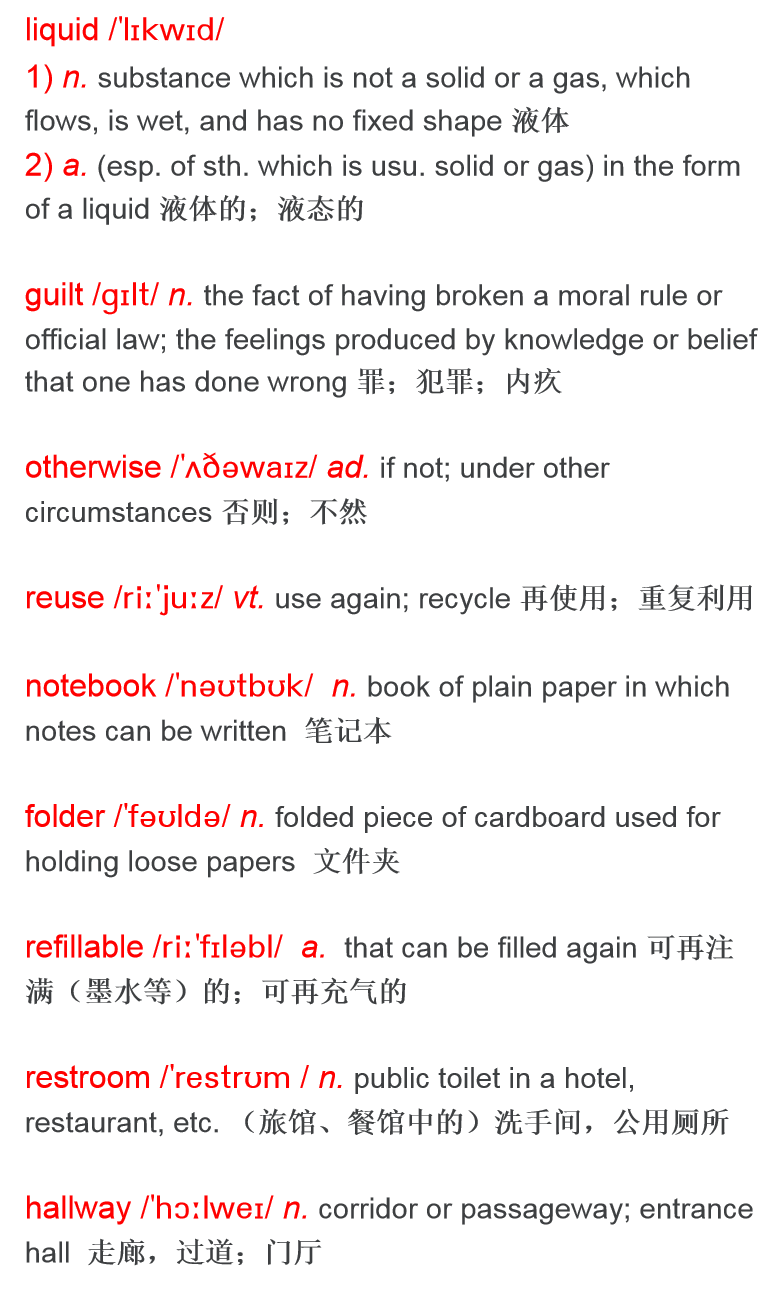
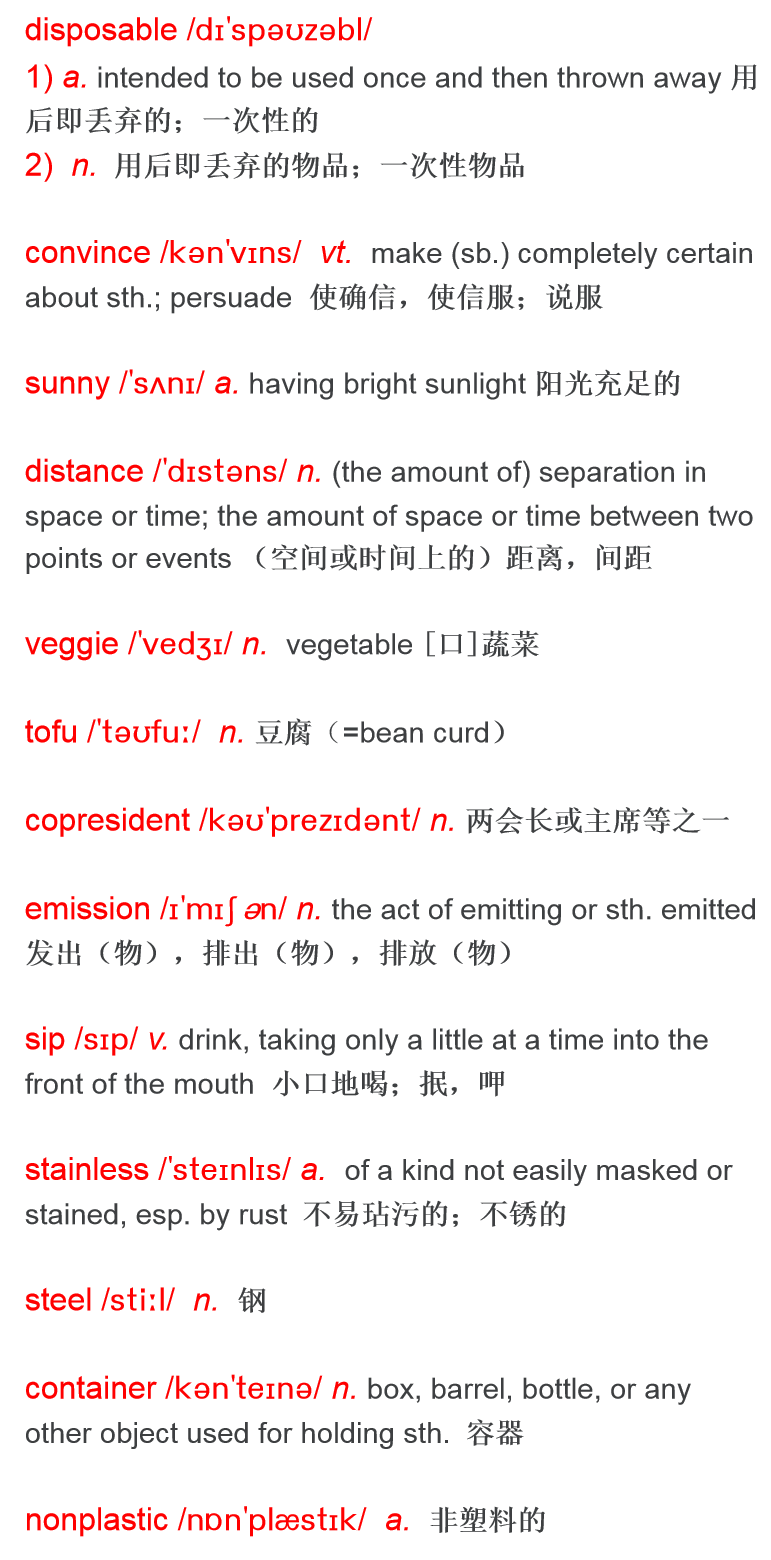
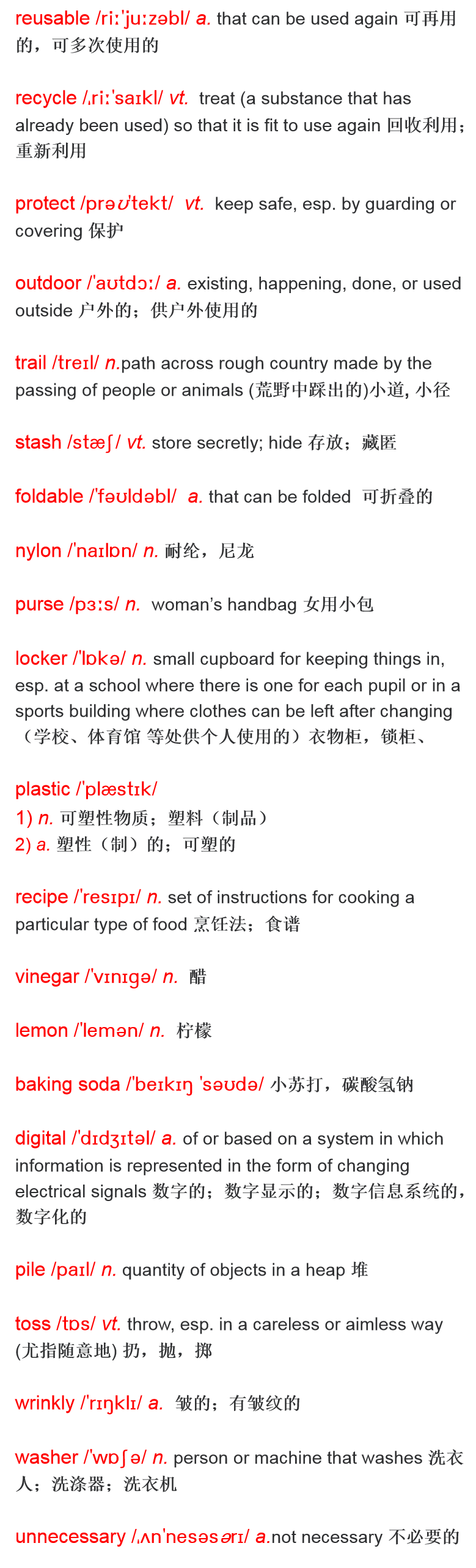
2 Words and&nb...
-
3 Notes on&nbs...



1 Let's learn some of the green opportunities in an ordinary day.
2 You get up in the morning, shower, and get dressed.
• Take shorter showers to save water. "Put a timer in your shower and see how quickly you can shower," suggests Byron Emmons. He's a student environmental leader at Northland College in Ashland, Wis. Or, he adds, pick a five-minute song (or shorter!) and see whether you can finish your shower before it ends.
• Try natural soaps with fewer chemicals and less packaging. Bars of soap use less packaging than liquid soaps, for example. Be aware that some body care products contain chemicals that can be harmful to the environment.
• Wear used clothes. Check out hip used clothing shops or Goodwill, suggests Kelly Simpson, an environmental educator in Oregon. "It's guilt-free, fun, and you can buy a lot more!"
3 You go to school.
• Get there green. Walk or bike if you can. "It's good for your body and good for the planet," says Simpson. Otherwise, take a bus or carpool.
• Think twice about school supplies. Can you reuse notebooks or folders from last year? Teens Turning Green member Hannah Gross suggests getting a nice refillable pen and pencil set — goodbye, disposables.
• Green your school. "If you can turn off a couple of computers for even an hour, do it," says Emmons. "If you can turn off the lights in the restroom, do it. If you can convince your administration to turn off the lights in sunny hallways or classrooms, do it."
4 You sit down for a meal.
• Eat less meat. It's a simple move that can have a big impact. All those animals need a lot of resources, such as grain and water, just to become our food. “For every pound of beef that you replace with veggies and tofu, you save hundreds of gallons of water,” says Emily Packer, copresident of Teens Turning Green.
• Eat local. "If your food doesn't have to travel to get to you, you not only cut down on carbon emissions [from trucks], you also get fresher food!" Emily notes. If your area has a farmer's market, check it out. When buying an apple for a snack, consider choosing the apple that traveled the shortest distance to reach you.
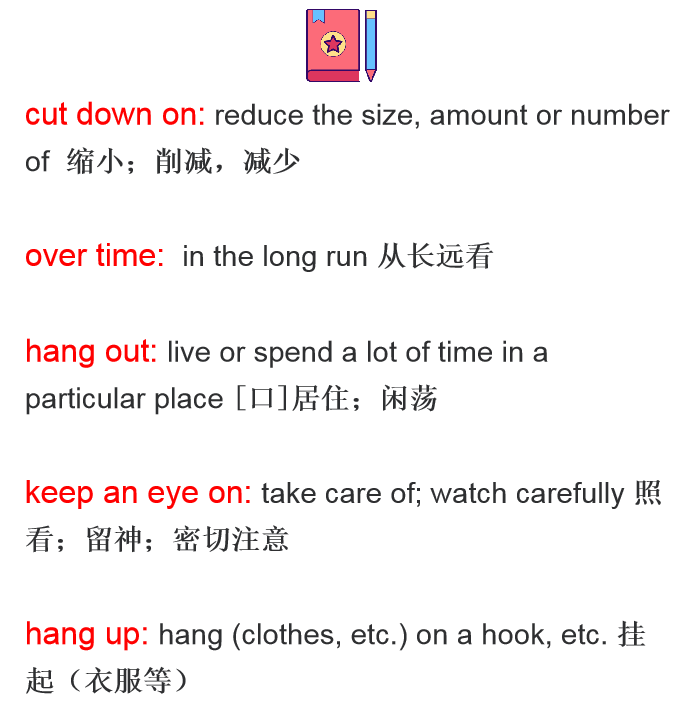
• Reuse bottles. Tap water is free and clean. Save money and energy by sipping from a reusable bottle, such as one made from stainless steel. If you do use a disposable drink container, try to remember to recycle. But a reusable, nonplastic bottle is a cleaner, greener choice — and cheaper over time.
5 You’re out of school.
• Go outside. "The outdoors are so much fun," says Simpson. "You have to love nature before you can really want to protect it." Emmons has a few ideas for healthy outdoor fun: "Look for parks and trails in your area, and don't be afraid to get a little dirty."
• Carry a reusable bag. "You never know when you'll be stopping in a store or picking up some books at the library and might need a bag," says Hannah. Stash a small foldable nylon bag in your book bag, purse, pocket, or locker and you’ll never have to answer the question
"Paper or plastic?"
6 You're hanging out at home.
• Breathe easy in clean surroundings. Green cleaning supplies help keep chemicals out of your air and water supply. Or make your own, Emily suggests. Most recipes online use common products such as vinegar, lemons, and baking soda.
• Power down. While it's great to use less paper by going digital, your computer uses energy. Keep an eye on your computer time. Think about how much of it might be time — and energy — wasted.
• Hang up your clothes. Instead of dumping clean clothes in a pile, hang them up. They'll look nicer, and you'll save energy by not tossing a clean but wrinkly shirt into the washer when it doesn't need to be washed. Cutting down on unnecessary washing also helps clothes last longer.
(658 words)