-
1 Article
-
2 Words and&nb...
-
3 Notes on&nbs...



1 Even if your plans aren’t to go into a computer-related field, it’s crucial to brush up on computer skills. Most fields today require basic computer knowledge. Here are the top seven computer skills you need to know to get a leg up on success in the workplace.
2 1. Web literacy. You may know how to use Google and Yahoo! to search for information, but can you tell whether the information they deliver is from an authoritative source? (For example, does the site have a .com address, showing that it’s a commercial site; .edu for an educational institution; .org for a nonprofit; or .gov for a government agency?) Do you know whether it’s accurate? Can you detect bias from the source? There’s so much information available on the Internet, it can be overwhelming. That’s why Web literacy — the ability to access, analyze, and evaluate online information — is important.
3 2. Typing. In this day and age, knowing how to type well is almost as important as knowing how to drive. Knowing how to type quickly and accurately makes researching and completing class and work assignments easier and less time-consuming. Many companies require job candidates to have at least minimal typing skills.
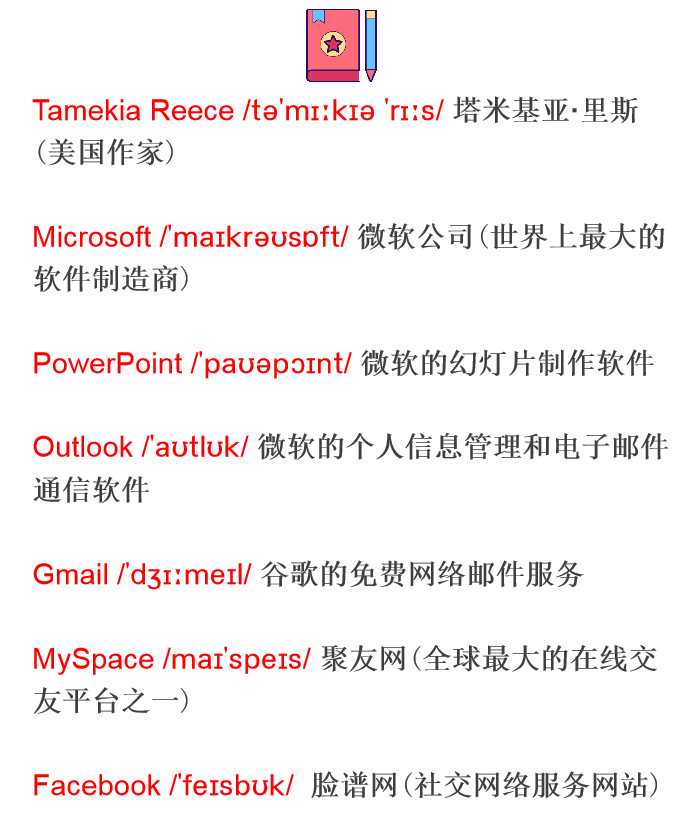
4 3. Productivity software proficiency. One of the most important computer skills you’ll need is proficiency in basic productivity software. Most companies require that skill. Productivity software includes word processing, spreadsheet, and presentation software (for example, Microsoft Word, Excel, and PowerPoint). Word processing is needed to create résumés and reports. Spreadsheets may be used to track expenses or profits. Presentation software may be used at work or school to create reports or slide shows.
5 4. E-mail communication. In the workforce, e-mail is a common communication tool. But fluency in using e-mail programs, such as Microsoft Outlook, Yahoo!, or Gmail, isn’t all you need to know.
6 You need to know what to put in an e-mail, when not to use e-mail, and how the tone of the message may be interpreted on the other end. Just as you wouldn’t write a school assignment in only lowercase letters or tell your boss an off-color joke, don’t do it with e-mail. E-mail, like any other form of communication, can make a good or bad impression, which can in turn make it easier or harder to reach your career goals.
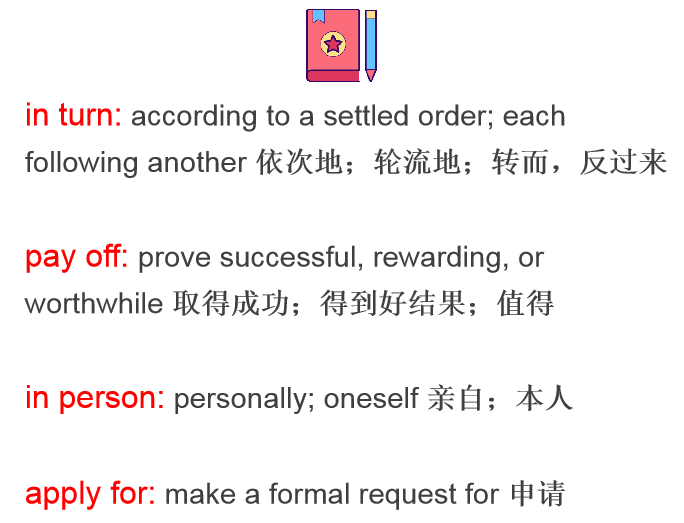
7 5. Social networking. The time you spend on MySpace and Facebook may pay off! So much of today’s work life is networking — getting information from people and giving information to people. Participating in social networking and understanding how it works may help make it easier for you to network in person. The Web is a big place. Social networking sites offer you the chance to meet people with a variety of interests and from different locations and cultures. That may help you become more well-rounded and appealing to prospective employers.
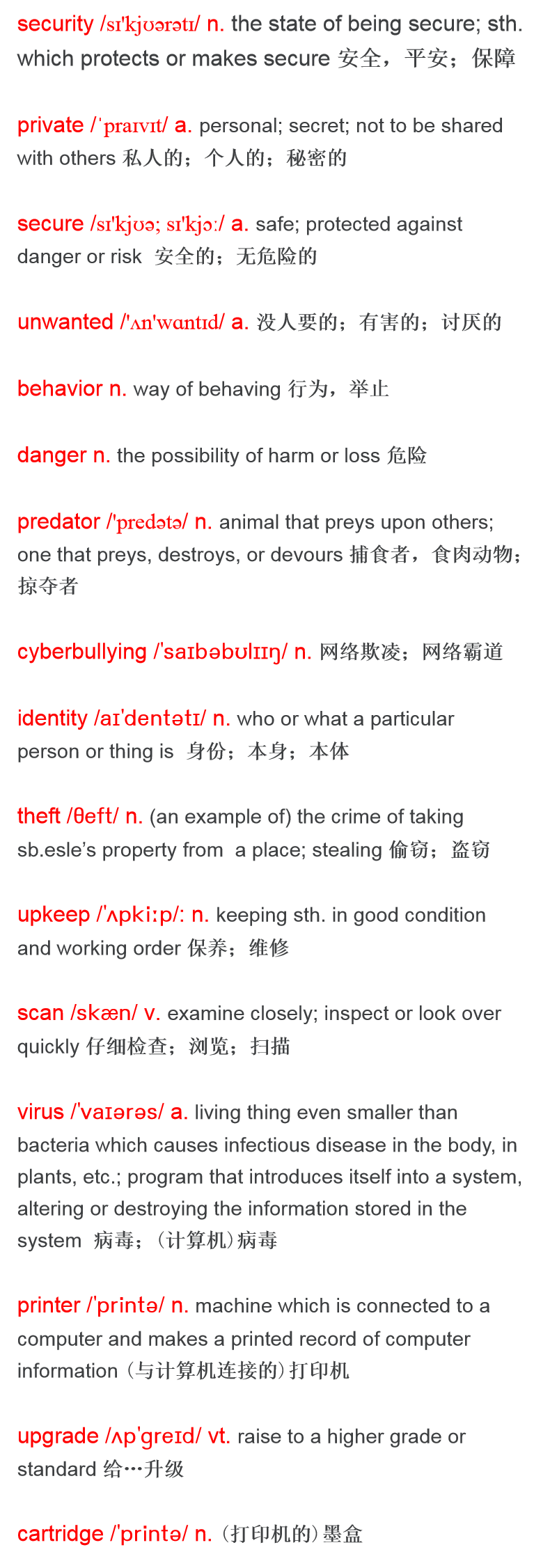
8 6. Internet safety. When you’re applying for jobs online, you may need to include your Social Security number on the application. When you’re shopping online, you’ll need to include credit card information. And when you’re on a social networking site, you’ll most likely share information about yourself and your life. Knowing what to share (and what to keep private), whether a site is secure, and how to deal with unwanted behaviors online can help you avoid the dangers of online predators, cyberbullying, and identity theft.
9 7. Computer upkeep. Computer knowledge isn’t just about turning on the computer and typing. Routine tasks like scanning for viruses, upgrading software, or changing a printer cartridge are tasks everyone should know before getting a job. An employer is more likely to hire you (or keep you on) if he knows you won’t always have to wait for others to solve every computer problem you have.
( 625 words )