目录

  • 1 Unit 1 Starting out!
    • 1.1 Lead-in
    • 1.2 Language culture
    • 1.3 Language points
    • 1.4 Listening and speaking
  • 2 Unit 1 Starting out!
    • 2.1 Text understanding
    • 2.2 Language in use
    • 2.3 Translation
    • 2.4 Guided writing
  • 3 Unit 2 Food, glorious food!
    • 3.1 Lead-in
    • 3.2 Language and culture
    • 3.3 Language points
    • 3.4 Listening and speaking
  • 4 Unit 2 Food, glorious food!
    • 4.1 Text understanding
    • 4.2 Language in use
    • 4.3 Translation
    • 4.4 Guided writing
  • 5 Unit 3 Learning to think
    • 5.1 Lead-in
    • 5.2 Language and culture
    • 5.3 Language points
    • 5.4 Listening and speaking
  • 6 Unit3 Learning to think
    • 6.1 Text understanding
    • 6.2 Language in use
    • 6.3 Translation
    • 6.4 Reading comprehension
  • 7 Unit 4 Family affairs
    • 7.1 Lead-in
    • 7.2 Language and culture
    • 7.3 Language points
    • 7.4 Listening and speaking
  • 8 Unit 4 Family affairs
    • 8.1 Text understanding
    • 8.2 Language in use
    • 8.3 Translation
    • 8.4 Reading comprehension 3
  • 9 Unit 5 News 24/7
    • 9.1 Lead-in
    • 9.2 Language points
    • 9.3 Listening and speaking
  • 10 News 24/7
    • 10.1 Text understanding
  • 11 Unit 6 Arrivals and departures
    • 11.1 Lead-in
    • 11.2 Language and culture
    • 11.3 Language points
  • 12 Unit 6 Arrivals and departures
    • 12.1 Text understanding
    • 12.2 Language in use
    • 12.3 Translation
    • 12.4 Guided writing
  • 13 Unit 8 Body and mind
    • 13.1 Lead-in
    • 13.2 Language and culture
    • 13.3 Language points
  • 14 Unit 8 Body and mind
    • 14.1 Text analysis
    • 14.2 Language in use
Language and culture

A vision statement is a description of a plan for the future of an organization or a company, which is meant to inspire its members.

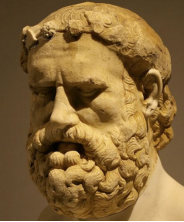
Socrates (470-399BC) was a Greek philosopher. He was unfairly charged with corruption of the young people of Athens and put to death. His ideas were recorded in The Dialogues of Plato and have had a major influence on Western thought.

Socrates was a Greek philosopher. He was unfairly charged with corruption of the young people of Athens and put to death. He didn’t write any books, but his ideas were recorded by Plato in The Dialogues of Plato and have had a major influence on Western thought. The Socratic method of teaching was largely through a dialogue in which the teacher (Socrates) asked students a series of questions which made them think for themselves about how people should conduct their lives.