


How Can Human Interference Cause a Flood?
Deforestation is rightfully considered to be one of the most destructive activities. People destroy vegetation that protects the topsoil and absorbs excess rainwater with its roots. As a result, high water freely spreads in the region leaving less time for rescue activities.
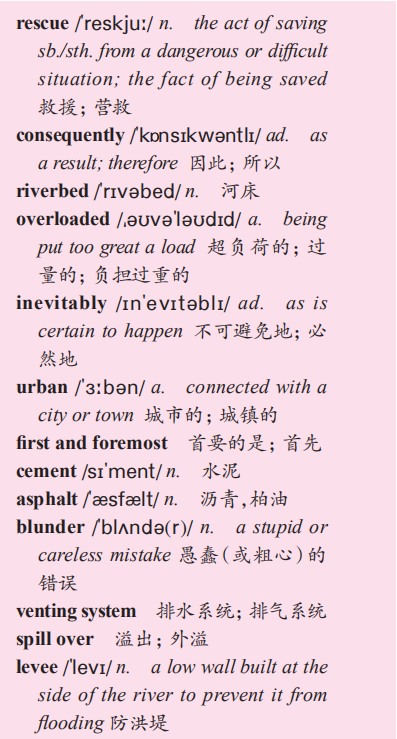
Agriculture, similar to deforestation, destroys the topsoil so it has no possibility to absorb rainwater. Consequently, more water will wash into the riverbed and the water system becomes overloaded. The water level rises and that inevitably leads to floods.
Urban development is another aspect that increases the possibility of flooding. First and foremost, all the surfaces in the town or city are covered with cement or asphalt. Naturally, these materials do not absorb rainwater so it has to search for the remaining water channels. Any blunder in the venting system may lead to the water spill over.
In addition, levees are often used as a way to gain more land for a settlement. One of the downsides of levees is the water level rising in the rivers near the cities. Potentially, the levees issues may cause a huge flood when all the excess water that was restrained by the levees starts to spread in the surroundings.
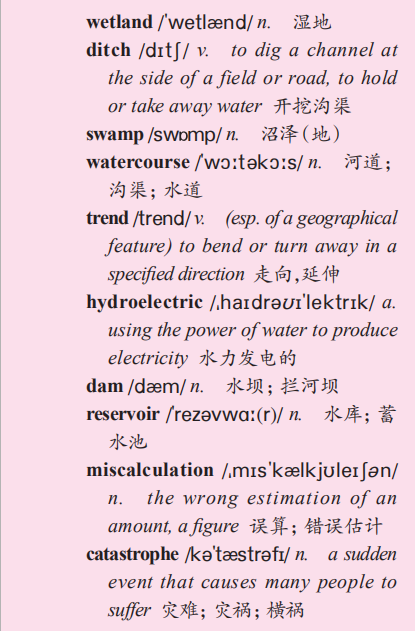
Same is with the destruction of the natural wetlands. People ditch swamps, destroy natural obstacles for watercourses and water collection areas. As a result, excess water finds new ways and they all trend near or through human settlements.
Hydroelectric power is impossible without dam constructions. Apart from the dangers of earthquakes, dams can cause floods. The whole process of obtaining electric power through the water power plant requires a huge reservoir of water which flow is thoroughly regulated. Any miscalculation may lead to the catastrophe.


Notes on the Text
deforestation: 砍伐森林。森林覆盖了地球30%的土地,但是它们正在以惊人的速度消失。世界银行(World Bank)的数据显示,1990年至2016年间,世界森林面积减少了50.2万平方英里(130万平方公里),比南非还大。《自然》杂志2015年的一项研究显示,自从人类开始砍伐森林,46%的树木被砍。在过去的50年里,大约17%的亚马孙雨林被破坏,而且损失还在增加。森林砍伐会影响野生动物、生态系统、天气模式,甚至气候。但森林砍伐仍在继续,为了换取短期利益,人类牺牲了长期利益。
topsoil: 表土层,是离地面最近的一层土壤,通常包括有机层。植物的根大部分在有机层中,农民在耕作时会把有机层翻过来,表土层被破坏。土壤是陆地生态系统的重要组成部分,它直接贡献了诸多生态服务功能,包括净初级生产力、气候和水分调节、养分循环与碳封存等。
hydroelectric power:水力发电,是由涡轮机驱动的发电机产生的电能,它将落水或水流的势能转换成机械能。在水力发电过程中,水被收集或储存在较高的高程,并通过大管道或隧道(压力管道)向下引至较低的高程;这两个高程的差异被称为水头。在管道的末端,落水使涡轮机旋转,涡轮机反过来驱动发电机,将涡轮机的机械能转化为电能。

