


Reflections on Earth Day
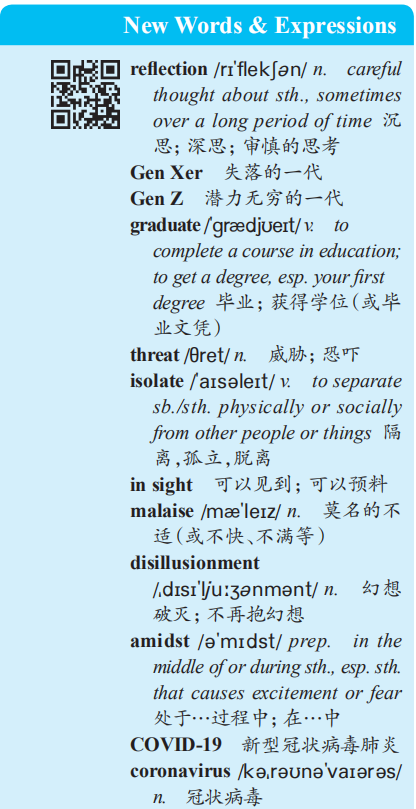
I was born the same year as Earth Day, and like many Gen Xers who have become parents, my Gen Z daughters and their friends have become part of the youth climate movement. The year I graduated from high school, climate change was newly in the news — a new threat, the big one. I was certain we would solve it, but you know how that went.
This year, my eldest is graduating from high school. Isolated at home with no graduation in sight, I expect some malaise and disillusionment from these people. But when I asked them what they’re thinking amidst COVID-19, with Earth Day around the corner and just ... all of it, they did what they do: inspire.
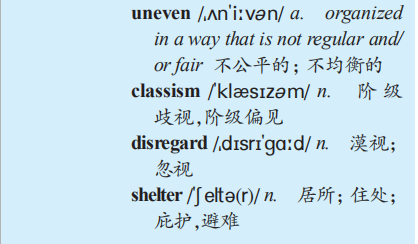
"The coronavirus is pointing out everything that we need to change," says 17-year-old Betta Tham, "the high uneven distribution of pollution that harms black and brown people, the healthcare system, the classism and disrespect and disregard for the safety of lower-income workers, the lack of help for those who need shelter and food and water."
Her fellow 17-year-old, Austin Dowd, shared similar thoughts. "Right now, it's difficult to think about the future. How can I make a positive impact while I'm stuck at home?" But a path has opened up, she finds, to help amplify the truth of environmental racism that COVID-19 has laid bare. "Seeing cold, hard facts about black people accounting for 70% of Chicago's COVID-19 deaths is opening previously unheard-of conversations about how income inequality affects public health and about the reality of environmental racism."
As she and Betta see it, to truly overcome the climate crisis, we need climate and environmental justice at the center of our solutions, and an appreciation of environmental racism by mainstream America is key to this.
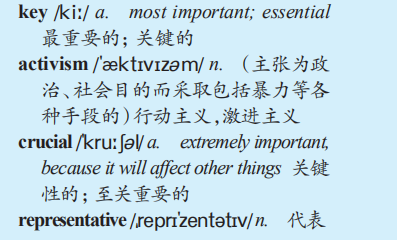
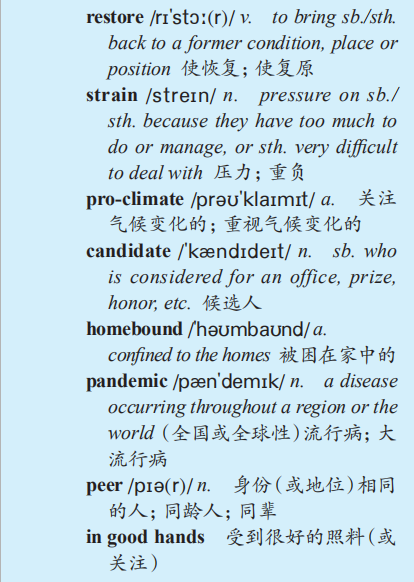
For them, climate activism has never been more crucial. "Not only do we need to talk about environmental and climate justice right now, we must elect representatives that will fight for those things as the economy is rebuilt," says Austin. They are not fearless; they worry that politicians will ignore the climate while trying to restore the economy, and that the strain of COVID-19 will make people forget about each other and what really matters. But they're hopeful.
"I know first-time voters like me will show up in the fall to elect pro-climate candidates," says Austin. "I'm inspired by my generation, and our homebound activism amidst this pandemic has only strengthened that."
I see how hard these young women and their peers are working to make this Earth Day matter at this strange, sad, challenging time.
Happy birthday, Earth Day. You're in good hands.

Notes on the Text
Earth Day: 地球日,也称“世界地球日”(The World Earth Day),即每年的4月22日,是一个专为环境保护而设立的节日。地球日旨在提高民众对现有环境问题的意识,并动员民众参与到环保运动中,通过绿色低碳生活改善地球的整体环境。地球日由盖洛德·尼尔森和丹尼斯·海斯于1970年发起。1970年4月22日,美国举行了第一次地球日活动,这是人类有史以来第一次大规模的群众性环保活动。现今,地球日的庆祝活动已发展至全球192个国家,每年有超过10亿人参与其中,使其成为世界上最大的民间环保节日。
Gen Xers: Generation eXcluding,X由英文excluding的字母x而来,意为“失落的一代”,指美国1965—1980年间出生的人。
Gen Z: 潜力无穷的一代,源于美国。对于Gen Z人群的定义,其实没有一个非常精确的年龄范围。这群人一般被认为出生于1996年以后,也就是现在大部分的青少年。他们从小使用网络,习惯并能熟练使用社交媒体和各种新科技产品。
COVID-19: 全称“Coronavirus Disease 2019”(新型冠状病毒肺炎),简称“新冠肺炎”,是指2019新型冠状病毒感染导致的肺炎。自2019年12月开始,湖北省武汉市部分医院陆续发现了多例有华南海鲜市场暴露史的不明原因肺炎病例,后来证实为2019新型冠状病毒感染引起的急性呼吸道传染病。 2020年2月11日,世界卫生组织总干事谭德塞在瑞士日内瓦宣布将此肺炎命名为“COVID-19”。2020年2月21日,中国国家卫生健康委发布了关于修订新型冠状病毒肺炎英文命名事宜的通知,决定将其英文名称修订为“COVID-19”,与世界卫生组织命名保持一致,中文名称保持不变。2020年3月11日,世界卫生组织总干事谭德塞宣布,根据评估,世卫组织认为当前新冠肺炎疫情可被称为全球流行病。
environmental racism: 环境种族主义,是指环境污染物与低收入或少数族裔社区间存在地理上的联系。1979年,被称为“环境正义之父”的美国南得克萨斯大学社会学教授布拉德·罗伯特首次发现了种族与环境污染的地理分布之间的关系。环境种族主义主要指向人种(肤色)与经济这两个核心标准。在全美范围内,少数族裔是受环境有毒污染物影响直接、影响最大的群体;美国的环境污染与穷人相伴的特征在空间上具有普遍性,在多个有毒物场所附近的居民(通常指半径为3公里以内)比非附近居民(半径在3公里以外)更贫困。
climate activism: 气候行动主义,其宗旨为:为了拯救地球和人类的未来,我们必须立即采取行动应对气候紧急状况。2019年9月23日,联合国秘书长安东尼奥·古特雷斯邀请来自政府、金融界、商界和民间社会的世界领导人参加了联合国气候行动峰会。
Exercises
Task 3 Fill in the puzzle spaces with the words from Text A according to the explanations given in the table.

Task 4 Complete the following sentences with the words from Task 3. Change the word forms if necessary.
Task 5 Complete the sentences using derivatives of the words in the box. Change the word forms if necessary.
reflection | isolate | activism | representative | classism |

