


But It's Not Due for a Month ...
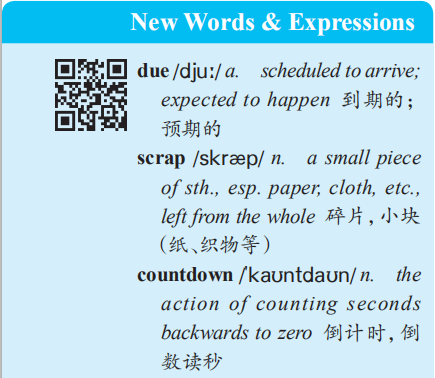
A paper is assigned, a month before the due date. I carefully write down the date on a scrap of paper and shove it in my notebook. It's a long-term assignment, so I don't have to worry about it right away. The countdown begins.
T-minus five days: I go to the library to find a topic. After checking my email and talking to the library assistant about her date last Friday, I sit down with a blank sheet of paper and a freshly sharpened pencil. Is that a tickle I feel in the back of my throat? I get up and find the water fountain. Strolling past the rows of books, I can't imagine how I am supposed to pick just one tiny topic. Exhausted from the unfairness of it all, I decide to pack it in for the day.
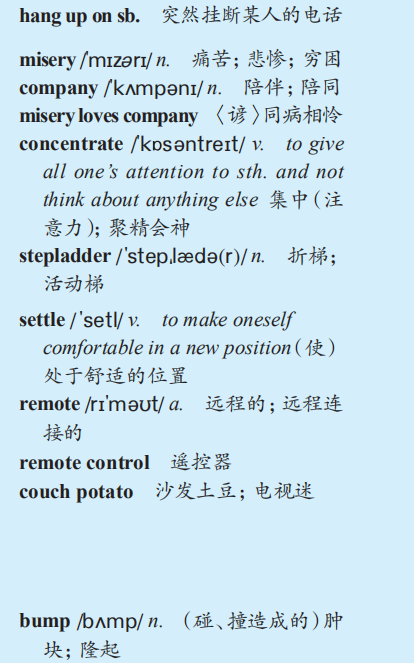
T-minus four days: I sit down at the desk in my bedroom with the same blank sheet of paper and the same pencil. I call a friend to see if she has started; she is already finished, so I hang up on her. I call another friend I KNOW hasn't started. After an hour of "misery loves company", I get another drink of water and sit down to concentrate. Looking up, I notice how dirty my ceiling fan is. Where's my stepladder?
T-minus three days: It's Saturday, so I show up for work at McDonald's and come home hours later, too tired to use my brain cells. I settle in with a pizza and my remote control for a much-deserved couch potato2 night.
T-minus two days: I cannot find even an excuse for writing a paper on the day our Lord has called us to rest.
T-minus one day: Nobody works well on an empty stomach, so I take my time at dinner. Back in my room, I decide to brush my teeth. I look at my tongue in the mirror. Where did all those little bumps come from? And there are so many of them! One, two, three ... Finally, I sit back down and begin to panic. To calm myself, I play a game of solitaire on my computer (I win). Then I get a drink of water, reread the assignment, and write my name on the paper. Hours later, I collapse on my bed —just in time to shut off my alarm.
Due date! When I get to school, I grumble about how I had to stay up all night, just to finish the paper. Then the teacher assigns another one. OK, I will get started right away. But first I need a drink of water ...


Notes on the Text
1.water fountain: 这里指的是公园、图书馆、博物馆等公共场所的公共直饮水台。作者在图书馆时感觉喉咙不舒服,所以去公共直饮水台喝水。
2.couch potato: a person who spends a lot of time sitting or lyingdown, often watching television, eating snacks or drinking alcohol沙发土豆,指的是那些拿着遥控器,什么事都不干,只会蜷在沙发上看电视的人。这个词最早诞生于美国,形象地描述了电视对人们生活方式的影响:一个人长时间坐在沙发上,就如土豆一样一动不动。长此以往,人就会像土豆一样胖胖圆圆的,久而久之,可能患上胆结石,甚至心理孤独等疾病,是一种不健康的生活方式。
3.... on the day our Lord has called us to rest. ……在上帝要求我们休息的日子。课文中指的是星期天。对于基督徒而言,每周日是他们的礼拜日,他们在这天要休息,去教堂做礼拜。
4.... just in time to shut off my alarm.……正好及时关掉我的闹钟。作者因为通宵熬夜做家庭作业,直到第二天早上才完成。作者好不容易完成作业后躺倒在床想睡觉,这时起床的闹钟却响了,不得不关掉闹钟起床。
Exercises
Task 3 Fill in the puzzle spaces with the words from Text A according to the explanations given in the table.

Task 4 Complete the following sentences with the words from Task 3. Change the word forms if necessary.
Task 5 Complete the sentences using derivatives of the words in the box. Change the word forms if necessary.
| deserve | misery | grumble | concentrate | sharpen |

