


Understanding Human Beauty
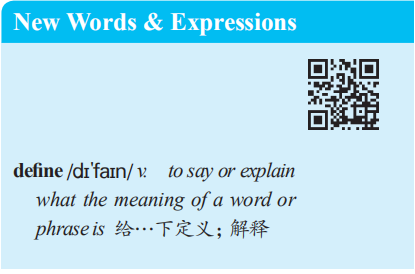
If someone were to walk right up to you and asked you to define beauty, what would you say? Would you start describing a cover girl you saw in one of the popular magazines, or colors of the rainbow? Or would you consider a soft piece of music or even a romantic poem from a lover? All these can be defined within theconcept of beauty but one thing that is clear is, there is no definite definition of beauty.
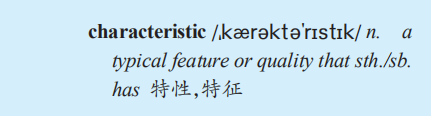
A popular definition of beauty is that it is a characteristic about something that gives a feeling of pleasure and satisfaction. Therefore for beauty to be understood, it must cause the senses to feel a feeling of joy, pleasure and satisfaction. From this definition, the judge of what’s beautiful is the person who receives or fails to receive the pleasure.
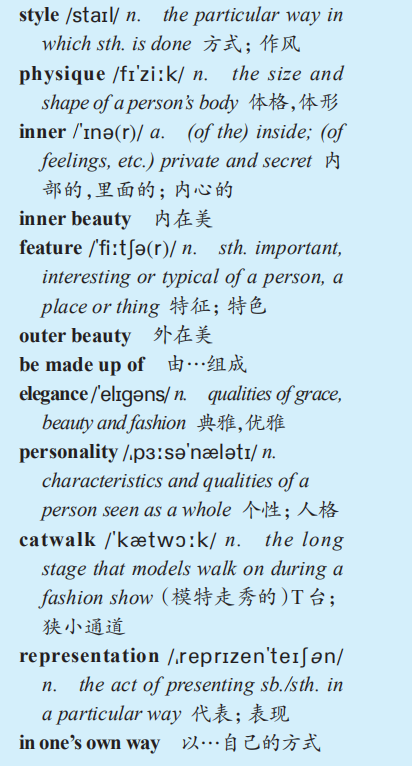
How is this definition of physical beauty actually used among human beings? What makes one be considered beautiful and attractive? Is a person considered beautiful necessarily attractive? These are difficult questions which do not have a direct answer. The way the societies we live in view beauty is influenced by many things, for example, cultural factors. In the past, each culture had different criteria upon which they based beauty. There are those cultures that considered plump women to be beautiful. Others considered small feet to be beautiful. These have, however, changed a lot in modern times. With the development of technology and human interaction, the differences in cultural preferences have been reduced and we now almost have a standard way of viewing beauty. This is greatly influenced by top fashion houses. The images they push to the public, including the dress, walking style and physique, have increasingly become the trend that the rest of the world is expected to follow.
But what about inner beauty? According to many researchers, physical beauty is always improved by a measure of inner beauty. A person may have all the necessary features to be physically beautiful but without inner warmth, the person will be seen as cold. While outer beauty and appearance is made up of factors like health, youth, skin, etc., defining what innerbeauty is depends on characteristics like politeness, intelligence, elegance, personality, etc.
Therefore, what we see on the catwalk is not necessarily the true representation of beauty. Human beauty is so rich in variety that we can have no set standards by which to define it and each individual is beautiful in her own way.

Notes on the Text
1. If someone were to walk right up to you and asked you to define beauty, what would you say?
如果有人过来要你给“美”下个定义,你会怎么说呢?
本句为虚拟语气,表示与现在事实相反的情况,是对现在的虚拟。从句的谓语用过去时,主句的谓语用“would + 动词原形”。
e.g. If I were you, I would not go to the party.
If I had enough money, I would buy a big house.
表示对过去的虚拟,从句用过去完成时,主句用“would + have done”。
e.g. If you had worked hard, you would have passed the exam last term.
If I had got up earlier, I would not have missed the train this morning.
2. Would you start describing a cover girl you saw in one of the popular magazines, or colors of the rainbow?
你会开始描述你在某一流行杂志上看到的封面女郎,还是彩虹的颜色?
cover girl: a young woman whose photograph is on the front of a magazine 封面女郎
start describing: begin describing 开始描述
start/begin to do sth.和start doing sth.都表示开始或着手做某事。它们的区别:
如果涉及一项长时间的活动或开始一种习惯,后面动词用doing,如:When did you first start playing the piano?
如果start/begin本身用进行时,或其后接know, understand, realize这类动词时,或以事物为主语时,后面动词用不定式to do。如:
I was beginning to get angry.
I begin to understand the truth.
The snow began to melt.
3. This is greatly influenced by top fashion houses. 这极大地受到了顶级时装公司的影响。
fashion house: a business that designs, makes and sells fashionable clothes, typically associated with an important designer 时装公司/时装商店(制作、销售大牌设计师设计的时装)
4. inner beauty: The internal beauty of a person. It depends on the way how a person does things, how they move, the way they speak to others and the way they dress themselves. Inner beauty includes psychological factors such as personality, intelligence, grace, politeness, charisma(感召力), integrity(诚实), congruence(和谐)and elegance. It involves such qualities as simplicity, cheerfulness, wisdom, tolerance, self-confidence, discipline, constancy(不屈不挠), courage, obedience(服从), patience, sincerity(真诚)and hard work.
5. outer beauty: It is mainly physical attractiveness, and includes physical factors, such as health, youthfulness, facial symmetry (对称), averageness (平常)and complexion (肤色). Humans who are relatively young, with smooth skin, well-proportioned (比例匀称的)bodies and regular features, have traditionally been considered to be the most beautiful throughout history. According to the researchers, a feature of beautiful women is a waist-to-hip ratio of approximately 0.70.
6. ... and each individual is beautiful in her own way. ……每个人都有其独特的美。
Each person has her own beauty, which is different from the beauty of others.
Exercises
Task 3 Fill in the puzzle spaces with the words from Text A according to the explanations given in the table.
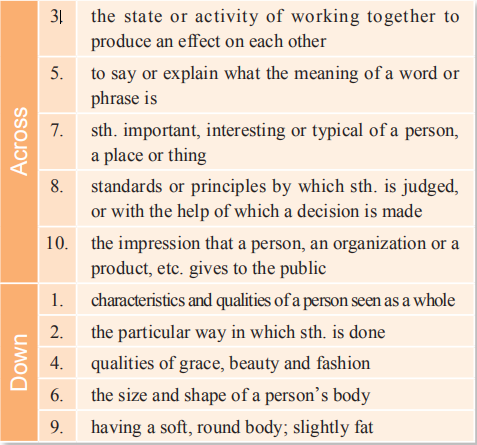
Task 4 Complete the following sentences with the words from Task 3. Change the word forms if necessary.
Task 5 Complete the sentences using derivatives of the words in the box. Change the word forms if necessary.
define | image | elegance | representation | interaction |

