
Design professionals
Architects and engineers are the principal(主要的) designers of construction projects.
On most commercial buildings and residential sector projects, the architect is the lead designer(首席设计师), laying out the concept on paper with the owner.The engineer is usually brought in after the basic concept is worked out but before the details are developed. The engineers only design the building system such as structure, electrical and plumbing system(管道系统).
On infrastructures and industrial projects, the lead designer is usually an engineer; the architect is usually brought in to work on the aesthetics(美学). An engineer's approach to design is different from an architect, the functional aspects are their center concern.
Both designers must think mechanically, technically, and creatively, but there is still a great difference – the architect works in the artistic realm(area 领域), while the engineer works in the technical realms.
★Architects(建筑师)
For some architects, the physical context(物理结构) is the guiding feature, others are guided by the activities that will happen in the building, and still others focus on creating a unique image. Good architects respond to all three aspects.
Architects are the stars of the building industry, and many famous ones easily come to our mind. Most famous architects are known for their romantic, aesthetic and artistic(浪漫的、美学的、艺术的) design, but sometime they are not fully understood by people outside the filed, maybe this is the common feature of art.

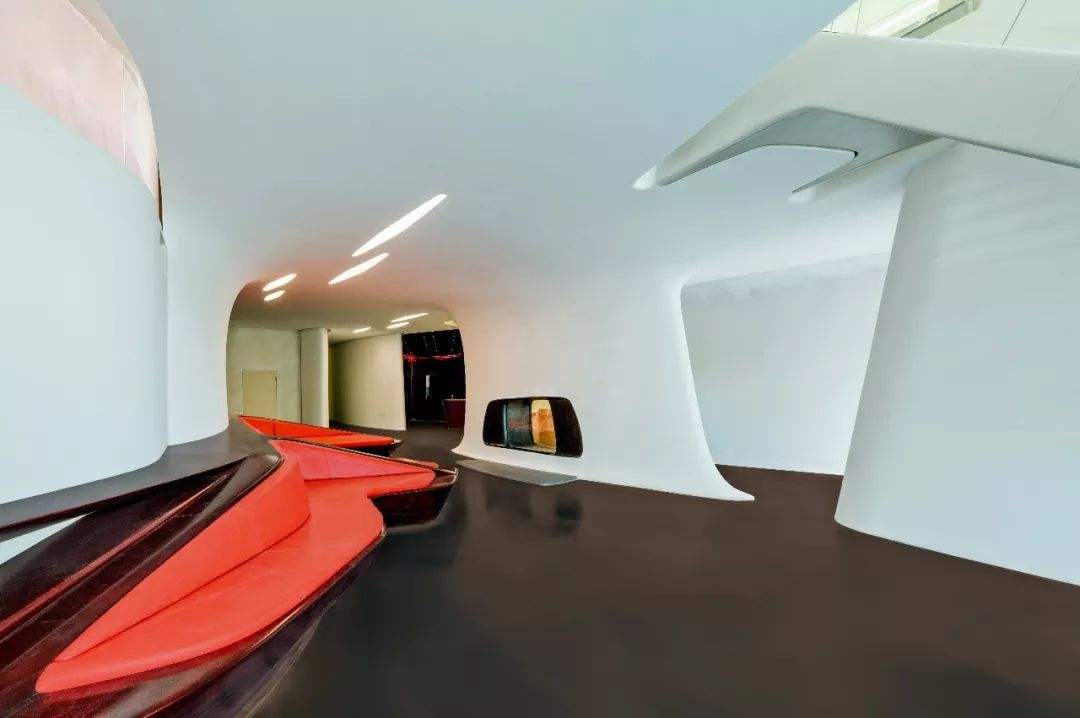
Since owners usually hire architects before construction,and make them the first people to hear about their needs, they often help with contract choice and deliver method and act as the owners’ representative.
Architects must be licensed(获得执照) after college programs. They can choose to practice as part of a firm, a small partnership, or independently.They always specialize in one building type, for instance residences, sports and recreational facilities(休闲设施), or museums.
Architects are usually the lead(首席)designers on building projects, but in most cases, they cannot complete the work independently, they always turn to other professionals for help. Those contributing to their work include specification writers, CAD(computer-aided design) operators, interior designers, and landscape architects. Of course all these professionals can have their own independent practices and can be hired by clients to work directly as a principle consultant.
Drafter :Traditional drafting is done at drafting boards with pencils and pens, but with the rapid development of computer technology, most of the drafting work now can be performed with certain CAD or other similar software. A person chooses CAD operation (CAD operator ) as a career will findmany opportunities in a growing field.(制图员:传统制图都是使用铅笔和钢笔在绘图板上完成,随着计算机技术的快速发展,现在大多数绘图工作都可以借助特定的CAD或其他类似软件来完成。如果一个人选择CAD操作作为职业,即CAD操作员,他将在一个不断发展的领域中找到很多机会)
Specification writer: In order to prepare a complete a contract set, a drawing explanation is indispensable.The professional term is specifications, the written document is prepared by specification writer. This work is somewhat demanding. He or she should not only be able to write clearly, concisely, but also have an extensive understanding of construction processes.(规范说明编写员:为了准备一套完整的合同,图纸说明是必不可少的。专业术语是规范的,书面文件由规范编写人编制。这项工作要求有点高。他或她不仅应该能够清晰、简洁地书写,还应该对施工过程有广泛的了解。)
Interior designer : These professionals work on a project’s nonstructural interior spaces. After the frame or structure is set up, the interior designer works out interior finishes, paint, window treatment, ceilings, furniture. Interior designers require expertise in space planning, lightning, and telecommunications and must have good understanding of the latest products on the market.(室内设计师:这类专业人员负责项目的非结构性室内空间设计。当框架或结构安装完成,室内设计师会设计出室内饰面、油漆、窗户处理、天花板、家具。室内设计师需要具有空间规划、光照和通讯方面的专业知识,并且对市场上的最新产品有很好的了解。)
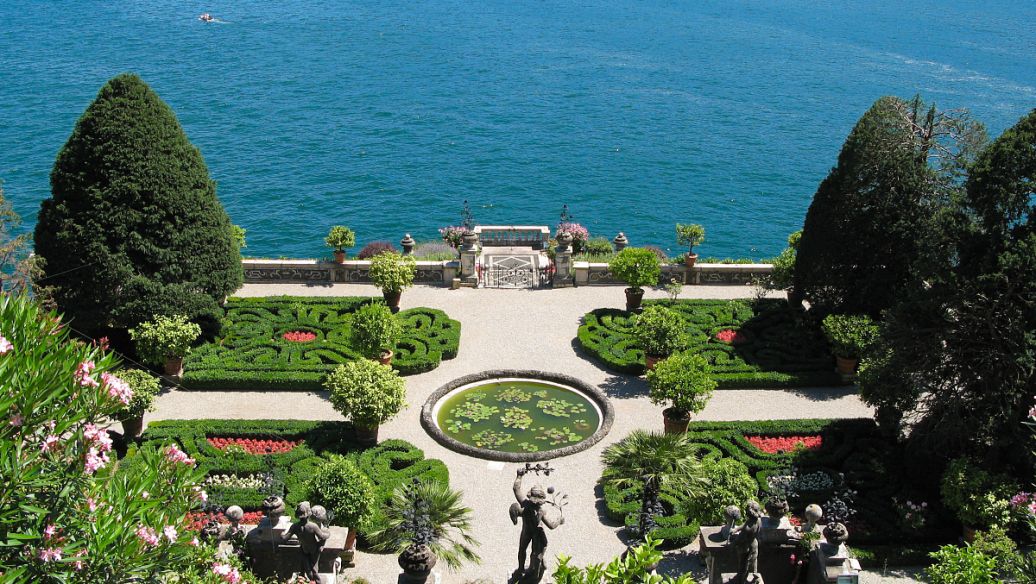
Landscape architect: When a project involves a lot of outdoor spaces or indoor planting areas, a landscape architect will always be employed or hired. Their work includes identifying plant species and location of trees and shrubs. The set grades or slope; establish walkways, walls, and fences; and specify paving types. They also get involved with site design, park design, and conservation measures.(景观设计师:当一个项目涉及大量的室外空间或室内种植区域时,景观设计师就会得到雇佣。他们的工作包括选定植物种类,确定树木和灌木的位置。设定坡度;建立走道、围墙和围栏;并确定铺路类型。他们还参与场地设计、公园设计和保护措施。)
★Engineers(工程师)
Engineers play an important role on projects. Sometimes they work within large A/E firms, but most often they are independent consultants(独立的咨询方). In order to do a good job, they must understand an owner's requirements: budget, durability(耐久性), and intended use of space. Because engineers design work is specified and detailed, communication within the design team is critical, they must work together closely to accommodate (meet) the dimensional(多维度的) requirements of the building system. Engineers are regulated by professional licensing requirements that include a four or five years college program; a specific number of years of experience; and passing of some professional exams.
Types of engineer (工程师大的分类)
Engineers in construction can be roughly(粗略的) divided into the following types:
Structural engineer(结构工程师) Calculate strengths and deflection(强度和扰度), foundation sizes, beam thickness. They ensure that a building can withstand the forces of wind, gravity and earthquake.
Mechanical engineer(机械工程师)Design heating, cooling and water supply system. They share information about equipment weight with structural engineers and power demand with electrical engineers.
Electrical engineer(电力工程师)Calculatethe overall electrical load; and supply drawing that show power lines, motors, transformers, switchgear and telecommunications.
Civil engineer(土木工程师)Determine the location of a project by studying the surface soil condition and the landscape.They design roads, bridges tunnels, and sewage treatment plants.
Surveying engineer (测量工程师)Measure distances and elevations of the land surface. They locate natural features suchas hills, valleys, rock outcroppings, and water bodies’ property boundaries. The information they get is used as the basis for the site development.
建筑工程美学(1)——Home
( 搬砖→盖房子→建设家园: 更宽的视野、更多的人文情怀)
建筑工程美学(2)——masterpiece of art & science

