
Trends in construction industry
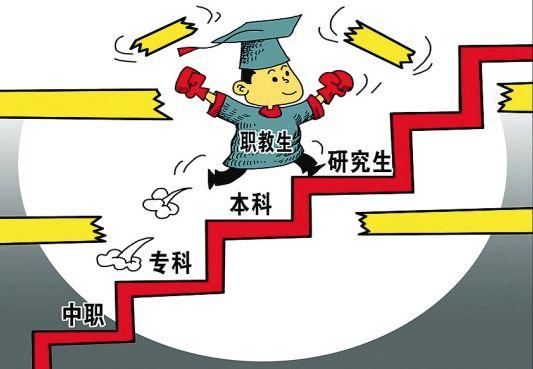
★Construction industry attaches importance to professionalization (重视职业化教育)
Many organizations are working hard to let others know about its accomplishments(成就), and making it more professional, such as the China construction industry association and American Institution of constructors (AIC) have initiated(发起) professional certification programs. And many universities have already launched construction management education. At the same time, a series of project management professional certification system were born.
★Construction industry is becoming specilized and cooperative(建筑业变得更加专业化与合作化)
At one time, general contractors (总承包商) constructed almost the entire project with their own work crews(员工). But as buildings become more technically complex and the business of building them more sophisticated, the industry has turned increasingly to specialty trades. Thus, the contractor’s role has largely evolved from boss to manager. However, in other aspects of the industry, the reverse(相反的情况) is happening. While the technical complexities of projects have strongly influenced the trend toward subcontractor specialization, these same complexities are merging owners, contractors, and designers into more collaborative units.
★Construction industry is becoming more and more eco-friendly and sustainable (建筑业逐渐环保化和可持续化)
As the entire world strives to save planet earth, the building industry has not been left behind. The investors and homeowners have also become environmental conscious. This shift(转变) has made the construction industry to develop eco-friendly house plans. These houses combine comfort and style with energy efficiency. If people are building a home, they may consider these plans. These plans can keep energy bills(能源账单) at the minimum while remaining comfortable.
Sustainability has taken root in the industry as it has in other areas of our lives. Energy conservation, recycling, and awareness of our impact on the environment have spurred(激发) new practices in design and construction. National criteria and standards have been developed to guide design, and construction professionals and owners increasingly are requiring that these standards be met.
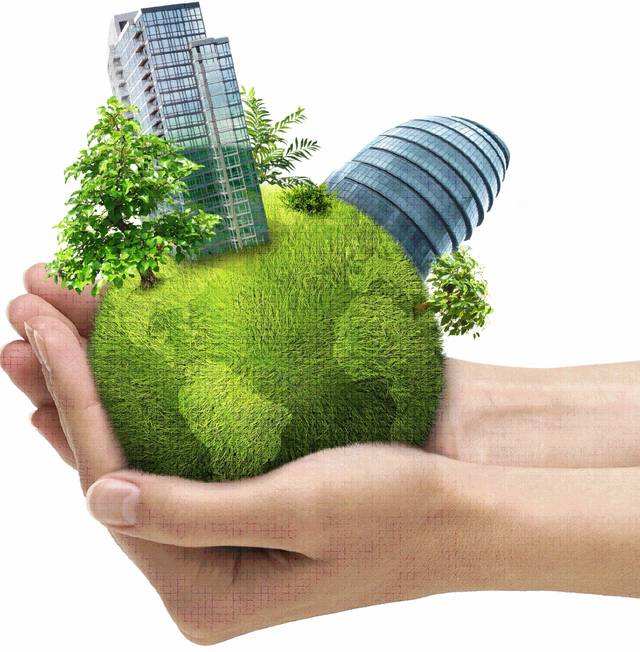
绿色城市——可持续的未来
海绵城市+海绵城市全套资料:https://www.bilibili.com/video/BV1hM4y1L7ne?spm_id_from=333.337.search-card.all.click
https://www.bilibili.com/video/BV184411t7AY/?spm_id_from=333.788.recommend_more_video.-1
★The construction industry is becoming more and more intelligent(建筑业越来越智能化)
Digitalization(数字化) and intellectualization(智能化) are reshaping(重塑) our society and changing all walks of life. Such as the sweeping robot at home and the industrial robot on the assembly line(装配线) have greatly improved the work efficiency and freed our hands. After decades of development, the construction process has been continuously optimized and improved, However, there are still prominent(突出的) safety problems, serious environmental pollution, low production efficiency and other problems in this area. Now, As a way to explore the sustainable development, intelligent building methods have gradually become an important direction, the digital transformation of the construction industry has become a consensus(共识). Many kinds of intelligent robots are quietly changing this industry.
建筑业智能化发展趋势
★Construction industry is going global gradually(建筑业逐渐全球化)
Globalization has become a reality. Information, ideas, fashions, and money all stretch worldwide, unhindered(不受限制) by old boundaries(边界). In addition, trade in the noncommunist countries has eliminated tariff barriers(关税壁垒) with the creation of the World Trade Organization; the countries of the European Union have joined together to create a single market unit with a single currency(货币); and the United States has created the North American Free Trade Agreement, binding itself with Mexico and Canada. These are examples of the opening up of economies to world markets. To compete in this new environment, companies must take several steps. A partnership with local companies is important, along with an understanding of the local economy, language, cultural differences, and knowledge of how work is procured(获取). Strong technical skills and innovative processes are prerequisites(前提) for entering this market.
Research and development in construction
There is little incentive(鼓励,动机) for individual companies to invest in research and development. The little investment only exists at the university and some institution(机构) level. Three reasons account for this fact:
▷tight schedule(紧张的计划), most projects are pushed by tight time table
▷high risk related with the unproven new technologies, and potential lawsuits(诉讼)
▷no way to protect investment

