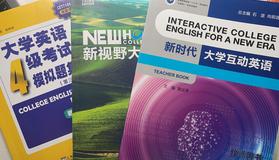
大学英语(一)(2022级学生)

大学英语教研室教师

目录

  • 1 导学
    • 1.1 线上学习指南
    • 1.2 线下学习指南
  • 2 Unit 1 How to Adapt to College Life
    • 2.1 学习目标
    • 2.2 导言
    • 2.3 词汇模块
      • 2.3.1 Project 1 Word-attacking
      • 2.3.2 Project 3 Word-attacking
    • 2.4 课文模块
    • 2.5 听力模块
      • 2.5.1 Gap-filling& Inferring
      • 2.5.2 Retelling
    • 2.6 语法模块
    • 2.7 阅读模块
      • 2.7.1 拓展阅读练习
    • 2.8 对话与演讲模块
    • 2.9 写作模块
  • 3 How to Study English Well
    • 3.1 学习目标
    • 3.2 导言
    • 3.3 词汇模块
      • 3.3.1 Project 2 Word-attacking
        • 3.3.1.1 Project 3 Word-attacking
    • 3.4 课文模块
    • 3.5 听力模块
      • 3.5.1 Gap-filling& Inferring
      • 3.5.2 Retelling
    • 3.6 语法模块
    • 3.7 阅读模块
      • 3.7.1 拓展阅读练习
    • 3.8 对话与演讲练习
    • 3.9 写作模块
  • 4 How to Imporve Presentation Skills
    • 4.1 学习目标
    • 4.2 导言
    • 4.3 词汇模块
      • 4.3.1 Project 2 Word-attacking
      • 4.3.2 Project 3 Word-attacking
    • 4.4 课文模块
    • 4.5 听力模块
      • 4.5.1 Gap-filling& Inferring
        • 4.5.1.1 Retelling
    • 4.6 语法模块
    • 4.7 阅读模块
      • 4.7.1 阅读拓展练习
    • 4.8 对话与演讲练习
    • 4.9 写作模块
  • 5 How to Develop interpersonal skill
    • 5.1 学习目标
    • 5.2 导言
    • 5.3 词汇模块
      • 5.3.1 Project 2 Word-attacking
      • 5.3.2 Project 3 Word-attacking
    • 5.4 课文模块
    • 5.5 听力模块
      • 5.5.1 Gap-filling & inferring
      • 5.5.2 Retelling
    • 5.6 语法模块
    • 5.7 阅读模块
      • 5.7.1 拓展阅读练习
    • 5.8 对话与演讲模块
    • 5.9 写作模块
  • 6 How to Follow Socail Etiquettes
    • 6.1 学习目标
    • 6.2 导言
    • 6.3 词汇模块
      • 6.3.1 Project 2 Word-attacking
      • 6.3.2 Project 3 Word-attacking
    • 6.4 课文模块
    • 6.5 听力模块
      • 6.5.1 Gap-filling & Inferring
      • 6.5.2 Retelling
    • 6.6 语法模块
    • 6.7 阅读模块
      • 6.7.1 拓展阅读练习
    • 6.8 对话与演讲模块
    • 6.9 写作模块
  • 7 How to Behave in Different Cultures
    • 7.1 学习目标
    • 7.2 导言
    • 7.3 词汇模块
      • 7.3.1 Project 1 Word-attacking
      • 7.3.2 Project 3 Word-attacking
    • 7.4 课文模块
    • 7.5 听力模块
      • 7.5.1 Gap-filling& Inferring
      • 7.5.2 Retelling
    • 7.6 语法模块
    • 7.7 阅读模块
      • 7.7.1 拓展阅读练习
    • 7.8 对话与演讲模块
    • 7.9 写作模块
  • 8 大学英语语法(20讲)
    • 8.1 介词
    • 8.2 连词
    • 8.3 助动词和情态动词
    • 8.4 非谓语动词
    • 8.5 动词短语和短语动词
    • 8.6 句子(按功能分类)
    • 8.7 句子(按结构分类)
    • 8.8 名词性从句
    • 8.9 定语从句
    • 8.10 状语从句
    • 8.11 时态1
    • 8.12 时态2
    • 8.13 时态3
    • 8.14 被动语态
    • 8.15 虚拟语气
    • 8.16 三种特殊结构
    • 8.17 语序与强调
    • 8.18 搭配
    • 8.19 主谓一致和时态一致
  • 9 大学英语技能微课(30讲)
    • 9.1 目录
    • 9.2 Listening Skills SPOC(2讲)
      • 9.2.1 Improving your listening skills in English
      • 9.2.2 Getting high marks in Listening Comprehension
    • 9.3 Speaking Skills SPOC(6讲)
      • 9.3.1 Pronouncing like a native speaker
      • 9.3.2 Conducting a discussion
      • 9.3.3 Making yourself stand out
      • 9.3.4 Following a conversation
      • 9.3.5 Keeping a conservation going
      • 9.3.6 Dealing with a counter-argument
    • 9.4 Reading Skills SPOC(3讲)
      • 9.4.1 Enhancing your reading strategies
      • 9.4.2 Taking notes: Cornell Note-taking System
      • 9.4.3 Avoiding plagiarism
    • 9.5 Writing Skills SPOC(9讲)
      • 9.5.1 Supporting the topic sentence with details
      • 9.5.2 Writing a paragraph with problem-solution pattern
      • 9.5.3 Writing a paragraph with comparison and contrast
      • 9.5.4 Writing a paragraph with cause-effect pattern
      • 9.5.5 Writing a paragraph with question-example-conclusion pattern
      • 9.5.6 Writing a paragraph with time order
      • 9.5.7 Writing a paragraph with listing
      • 9.5.8 Writing a paragraph with examples
      • 9.5.9 Writing summaries for papers
    • 9.6 Presentation Skills SPOC(3讲)
      • 9.6.1 Confirming a topic for presentation
      • 9.6.2 Developing the content of the presentation
      • 9.6.3 Delivering your presentation effectively
    • 9.7 Career Skills SPOC(7讲)
      • 9.7.1 Writing a good personal letter
      • 9.7.2 Writing English emails
      • 9.7.3 Writing a report in English
      • 9.7.4 Writing practical letters
      • 9.7.5 Making questionnaires
      • 9.7.6 Writing a winning CV
      • 9.7.7 Writing your personal statement
  • 10 英语阅读技巧微课(20讲)
    • 10.1 Skimming
    • 10.2 Scanning
    • 10.3 Finding the main idea
    • 10.4 Predicting
    • 10.5 Summarizing
    • 10.6 ​ Identifying topic sentences
    • 10.7 Identifying  key words
    • 10.8 Identifying Passage Organization
    • 10.9 Finding Supporting Details
    • 10.10 Making Use of Cue Words
    • 10.11 Guessing the Meaning of Words
    • 10.12 Understanding Conceptual Meaning
    • 10.13 Understanding propositional meaninig
    • 10.14 Understanding contextual meaning
    • 10.15 Understanding Pragmatic Meaning
    • 10.16 Distinguishing Facts from Opinions
    • 10.17 Identifying the author’s tone
    • 10.18 Making inferences-
    • 10.19 Drawing Conclusions
    • 10.20 Identifying author's purpose
学习目标

Introduction

In this unit, we will learn about  how to effectively study English. You may have been learning English for over 10 years. Have you wondered why we need to study English? What are the main ob. stacles for you to study English well? How to deal with these obstacles in learning English? English is one of the widely-spoken languages in the world. Learning English is a "must", basically, because it has become the international language of education and business, not to mention science and technology. After learning this unit, you will understand the importance, the skills and the steps of studying English well.

In this unit, we will learn:

1.about 80 new words and expressions about English study and how to use them in specitic contexts properly; 

2. language skills including: how to predict the content before listening and inter the meaning, how to find supporting details, and how to wnte an expository essay;

3. how to complete various tasks in a team (Project 1). For instance, how to interview students to summarize their experience in studying English in college; in addition, Project 6 is mainly designed for autonomous learning. You need to study passages B and & by yourself and learn the SPOCs about reading skills and grammatical competence.


At the end of this unit, we need to summarize the unit from three dimensions: language points, key language skills and intercultural reflection. We will have some language quizzes in class to assess your memorization and understanding. Then we will review the language skills in terms of listening, reading, speaking, writing and translation. Last but not least, you need to critically think about some intercultural reflection questions. The last dimension is the important output to assess your learning as you need to analyze and evaluate what you have learned.